
Vegetables
Exploring gardens in Barcelona reveals some of the city’s most stunning green escapes, from the avant-garde Jardins de Joan Brossa—where art and nature merge—to the grand Parc de la Ciutadella, a historic park blending lakes, palm groves, and monuments. Smaller treasures like Jardins de Mossèn Costa i Llobera dazzle with rare cacti and succulents, while Laberint d’Horta offers a dreamy maze of manicured hedges. Visitors should plan trips between spring and fall for the best blooms and lively cultural events.
Barcelona’s gardens aren’t just scenic—they’re carefully designed to reflect the city’s climate and culture. 🌿 The Parc de la Ciutadella, for example, was originally a military fort turned into a public space in the 19th century, now home to over 1,000 plant species, including Mediterranean natives and exotic imports.
Meanwhile, Jardins de Joan Brossa uses urban greening techniques to transform abandoned lots into vibrant community spaces, proving that even small patches of green can make a big difference.
For those who love botany, the Jardins de Mossèn Costa i Llobera is a must-visit, with its greenhouse showcasing rare cacti from around the world.
Beyond the plants, these gardens offer practical perks too. Many are free to enter, and some, like Ciutadella, have nearby cafés where you can relax after your walk. Pro tip: arrive early to avoid crowds, especially on weekends.
If you’re exploring Barcelona’s architecture, pairing a garden visit with a stop at the Palau de la Música (just steps from Ciutadella) adds a cultural bonus. The key is balancing relaxation with discovery—whether you’re admiring a cactus collection or strolling through a historic park.
💡 In This Article
- Barcelona’s Most Unique Botanical Gardens and Their Plant Collections
- Tips for Visiting Barcelona’s Gardens Like a Local
Barcelona’s most unique botanical gardens and their plant collections
Barcelona’s gardens are ecological masterpieces, each designed to thrive in the city’s unique Mediterranean climate—where hot, dry summers and mild winters shape plant selection.
The Parc de la Ciutadella, for instance, features 1,000+ species, including drought-resistant aleppo pines and olive trees, which have adapted to survive on minimal water.
Meanwhile, Jardins de Mossèn Costa i Llobera houses over 1,500 cacti and succulents, many from arid regions like Mexico and South Africa, showcasing how these plants store water in their thick stems to endure harsh conditions. 🌵
The Jardins de Joan Brossa takes urban horticulture further by integrating native Mediterranean herbs like rosemary and thyme into artistic installations, proving that even small green spaces can support biodiversity.
These plants thrive in Barcelona’s microclimates, where coastal breezes and urban heat islands create ideal conditions for species that might struggle in rural areas. The garden’s drip irrigation system ensures water efficiency, a critical strategy in a city where droughts are increasingly common.
Seasonal cycles dictate the best times to visit. Spring (March-May) brings vibrant blooms like jacarandas in Ciutadella, while fall (September-November) offers golden hues from ginkgo trees.
The Laberint d’Horta, with its 2,000+ boxwood hedges, is most enchanting in spring when the maze is lush and fragrant. For cactus lovers, summer (June-August) is ideal, as many species bloom during these months, though afternoon visits should avoid the peak heat.
What makes these gardens stand out is their curated biodiversity. Ciutadella’s lake hosts pelicans and ducks, while Mossèn Costa’s greenhouse features endangered species like the Madagascar palm.
Each garden reflects Barcelona’s commitment to blending ecology with urban design—whether through Joan Brossa’s artistic interventions or Costa’s scientific collections. The result? A living laboratory where nature and culture intersect seamlessly. 🌿
For those curious about climate adaptation, observe how mulch layers in Ciutadella retain moisture, or how shade structures in Mossèn Costa protect delicate cacti from intense sunlight. These techniques aren’t just practical—they’re essential for preserving Barcelona’s green spaces in a changing climate.
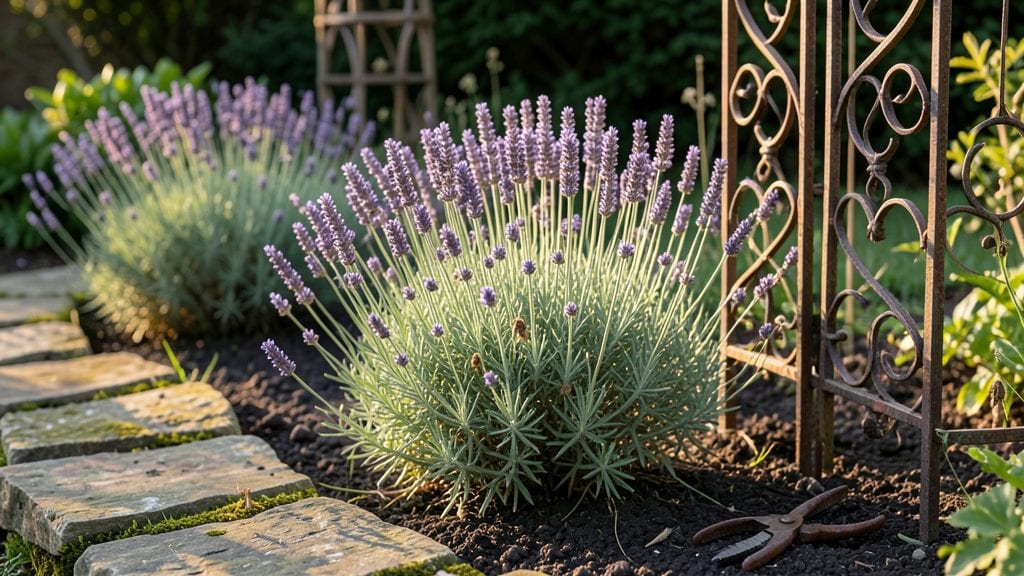
Visitors can even spot bee-friendly plants like lavender in Joan Brossa’s garden, highlighting the city’s role in supporting pollinators.