Container Gardens
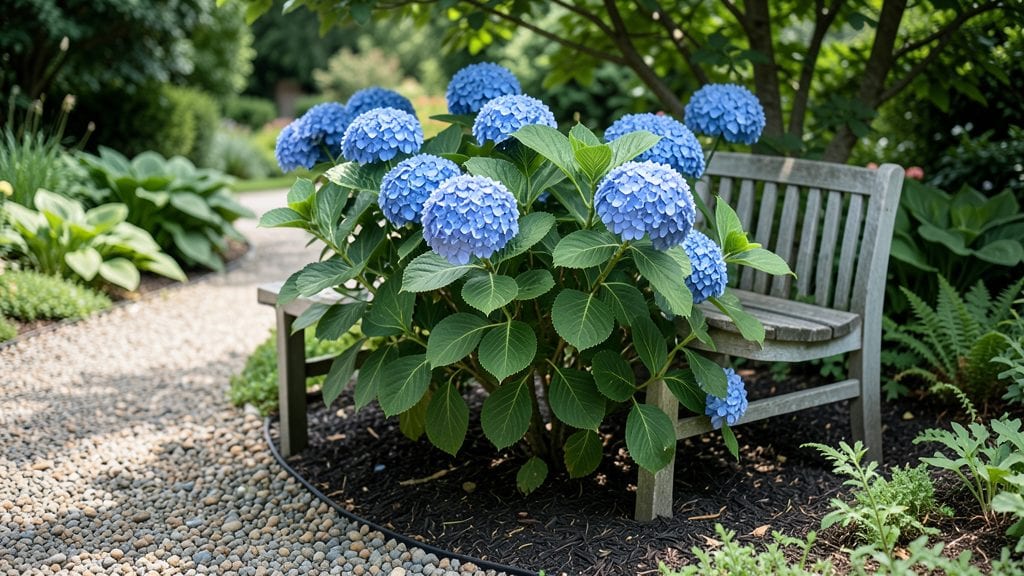
This 4.5-acre oasis blends horticultural artistry with cultural storytelling, making it one of the East Coast's most diverse plant collections. 🌿 The Japanese Stroll Garden, for example, features koi ponds and meticulously pruned maples that change colors with each season, while the Victorian Conservatory houses over 1,000 tropical plants under a stunning glass dome.
What sets this garden apart is its ability to transform with the seasons—spring blooms give way to autumn foliage displays, and winter brings holiday-themed installations that feel like stepping into a storybook.
The real magic happens in the hidden corners: the Rock Garden's alpine plants thrive in microclimates you'd never expect in Philly's climate, while the Orchid House showcases over 2,000 specimens that bloom year-round.
I always recommend visiting on weekday mornings to experience these areas without crowds, especially during the Peony Festival in May or the Holiday Train Show in December when the gardens take on completely different personalities.
💡 In This Article
- Exploring Philadelphia’s Botanical Gardens Themed Areas
- Hidden Gems and Seasonal Highlights in Philly’s Botanical Gardens
Exploring Philadelphia’s botanical gardens themed areas
The Japanese Stroll Garden is a masterpiece of traditional horticulture designed to evoke tranquility through its precise geometry. Here, every element follows Wabi-sabi principles—imperfect beauty through simplicity—with carefully placed maple trees (Acer palmatum) that transform from vibrant green in summer to fiery red in autumn.
The garden's 1.5-acre koi pond maintains a delicate balance of pH 7.2-7.6, creating an ideal habitat for the garden's 50 koi, whose scales reflect light differently depending on the season. 🌿 The stone lanterns lining the pathways aren't just decorative; they're strategically placed to guide visitors along the 1,200-foot meandering trail while casting dappled shadows that shift with sunlight.
The Victorian Conservatory represents a technological marvel of the 19th century, housing over 1,000 tropical plants under a 100-foot glass dome that maintains 70-80°F temperatures year-round.
This climate control system—originally powered by steam—was revolutionary for its time, allowing delicate orchids (like the Cattleya labiata) and monstera deliciosa to thrive in Philadelphia's unpredictable climate.
The conservatory's 12-foot-tall palm trees (like the Washingtonia robusta) create a jungle-like canopy that filters light to 30% of outdoor intensity, protecting sensitive plants from UV damage.
What's fascinating is how the conservatory's cast-iron framework, painted in dark green, absorbs heat during the day and radiates it at night, maintaining stable conditions without modern HVAC.
For families, the Children's Garden offers an interactive learning experience through sensory play zones designed to teach horticulture basics. The 30-foot-long vegetable spiral demonstrates companion planting with tomatoes (Lycopersicon esculentum) growing alongside basil (Ocimum basilicum) to repel pests naturally.
Kids can dig in the sand-and-compost mix (maintained at 60% organic matter) to plant seeds, while the water play area uses recycled rainwater to demonstrate hydroponic principles.
The garden's seasonal rotation system ensures children experience different crops—from spring radishes to fall pumpkinspollinator hotel teaches about native bee species like the Megachile rotundata (leafcutter bee) that visits the garden's 150 lavender plants.
Seasonal transformations reveal the garden's adaptive design principles. During spring, the Peony Festival showcases 1,000 blooming peonies (Paeonia lactiflora) whose 5-inch-wide flowers weigh down stems, requiring staking supports to prevent breakage.
In autumn, the Japanese Garden's ginkgo trees (Ginkgo biloba) produce golden fan-shaped leaves that create a 10-foot-tall canopy, while the Rock Garden's alpine plants (like Saxifraga species) thrive in microclimates with 50% less rainfall than surrounding areas.
These seasonal changes aren't accidental—they're carefully curated to highlight how plants respond to temperature fluctuations, daylight hours, and humidity levels specific to Philadelphia's climate zone 7a.
The garden's design philosophy blends historical preservation with modern sustainability. For example, the Victorian Conservatory's original 1894 steam heating system has been retrofitted with geothermal exchange units that now provide 30% more efficiency without altering the historic aesthetic.
Meanwhile, the Japanese Garden's dry stream beds (karesansui) use graded gravel to create visual water flow while requiring zero irrigation, demonstrating ancient water conservation techniques. These dual approaches—honoring tradition while embracing innovation—make the gardens a living laboratory of horticultural science. 💫