How To
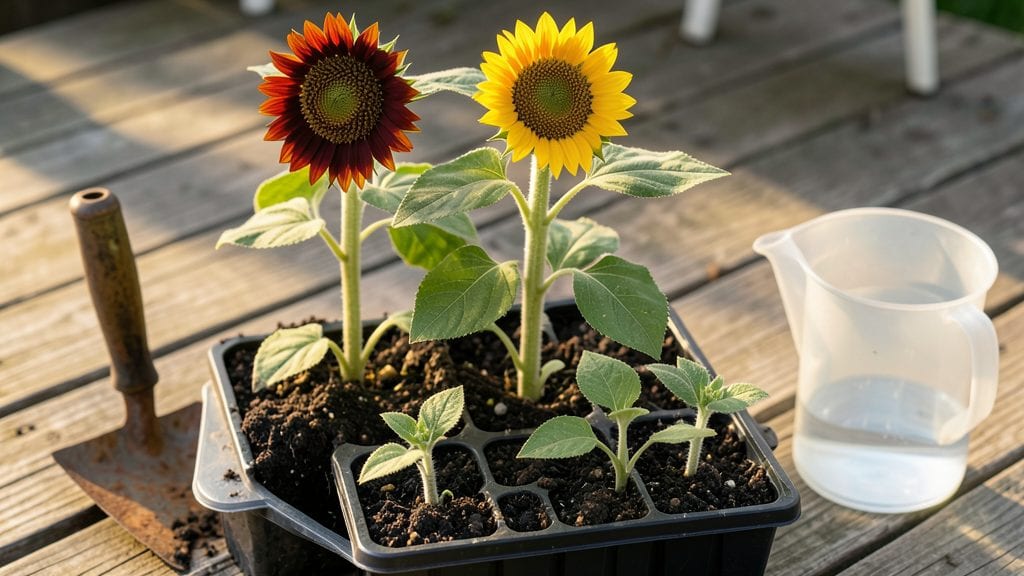
Children’s garden projects are fantastic for nurturing confidence and creativity through simple, engaging activities like planting sunflower seeds, crafting fairy gardens from recycled containers, or cultivating herbs in homemade planters. Focus on quick-sprouting varieties, colorful gardening tools, and celebrating progress to keep kids motivated and excited about their green thumbs.
Kids thrive when they see immediate results, which is why fast-growing plants like radishes or beans work so well—they can watch their efforts transform in just a few weeks. 🌱 These projects also teach patience and responsibility, as children learn to care for living things while developing fine motor skills through planting and watering.
The beauty of these activities lies in their flexibility: whether using repurposed containers or store-bought planters, the goal is to make gardening feel like playtime rather than a chore.
Another key to success is making the process visually appealing. Brightly colored tools and decorated planters turn routine tasks into creative adventures, while celebrating small milestones—like the first sprout—reinforces a growth mindset.
The best part? These projects adapt to any space, from backyard plots to windowsill gardens, ensuring every child can experience the joy of growing something themselves.
💡 In This Article
- Best Fast-Growing Plants for Kids’ Gardens
- DIY Garden Tools and Planters for Creative Kids
Best fast-growing plants for kids’ gardens
Fast-sprouting plants are perfect for children because they deliver visible results in just 7-30 days, turning abstract lessons about growth into tangible experiences. Take radishes, for example—they emerge from soil in about 21 days, while beans and marigolds appear in 7-14 days.
This rapid progression keeps kids hooked, as they witness seeds transform into plants before their eyes, reinforcing concepts of biology and time in a hands-on way.
The key to their success lies in their low-maintenance nature. Radishes, for instance, thrive in cooler temperatures (55-75°F) and require minimal care—just consistent moisture and sunlight. Marigolds, with their vibrant orange and yellow blooms, deter pests naturally, making them a self-sustaining option.
These plants also teach kids about plant anatomy: they can observe how roots anchor the plant, stems support leaves, and flowers attract pollinators like bees. 🌱
Educational benefits extend beyond botany. Tracking growth stages—like measuring plant height weekly or counting leaves—develops math skills and patience. For example, a 5-inch sunflower seedling might grow 2 inches per week in ideal conditions, creating a fun math problem.
Fast-growing plants also reduce frustration; unlike slow starters like tomatoes, kids won’t lose interest waiting for results.
Consider these top picks for quick rewards:
- Radishes: Ready to harvest in 3-4 weeks, with varieties like 'Cherry Belle' reaching 1 inch in diameter.
- Green Beans: Bush varieties sprout in 10-14 days and produce edible pods in 4-6 weeks.
- Marigolds: Blooms appear in 6-8 weeks, offering bright colors and pest control.
Sensory engagement is another advantage. Kids love touching velvety marigold petals or crunching fresh radishes (when cooked or raw). The aroma of basil or mint, which grows in 4-6 weeks, adds a multisensory layer. These plants also encourage curiosity—kids might ask why leaves change color or why some plants grow taller than others, sparking deeper conversations about science.
For maximum engagement, pair plants with matching activities. Grow sunflowers (sprouting in 7-10 days) and track their progress with a growth chart. Or plant herbs like basil and use the harvest in simple recipes, linking gardening to real-life skills.
The goal is to make every step—from planting to harvest—feel like an adventure, not a lesson. 💫