
Planting
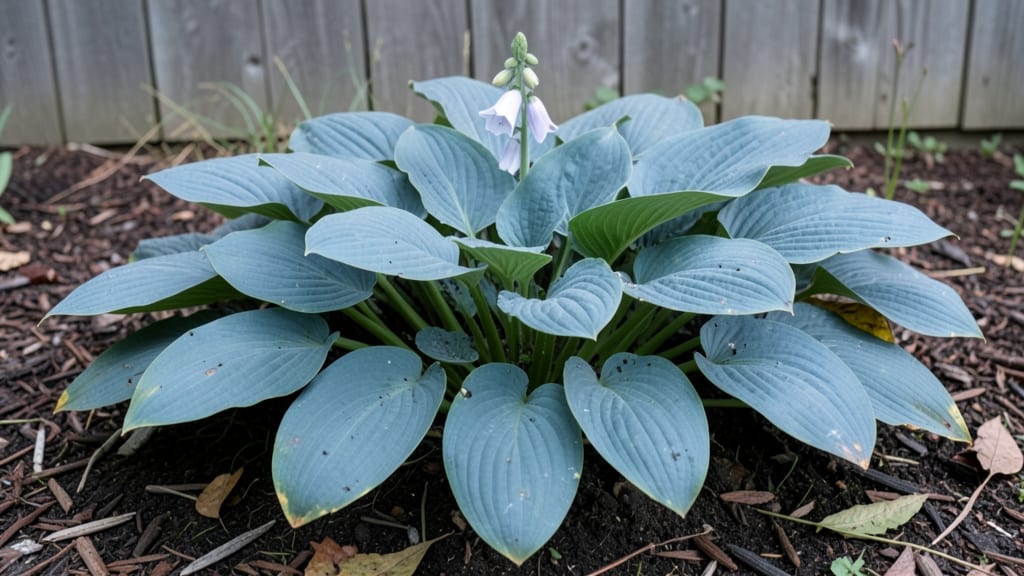
Gardening in zone 5a means working with short growing seasons and unpredictable frosts that can strike anytime through May or even June. I’ve learned the hard way that timing is everything—plant too early, and a late frost wipes out your seedlings; too late, and you miss the harvest window.
The key isn’t fighting the climate but choosing the right plants and strategies to stretch your season.
Zone 5a’s typical frost dates run from mid-October to late May, but black frost can sneak in anytime until Memorial Day. That’s why I focus on cold-hardy crops like kale, spinach, and peas for early spring, and fast-maturing varieties like bush beans and zucchini for summer.
Fall planting is just as critical—broccoli, carrots, and garlic thrive when sown in September to overwinter and produce early next year.
Your biggest advantage? The long, sunny days of summer give you plenty of time to grow heat-lovers like tomatoes and peppers if you start them indoors by mid-April. Mulching with straw or leaves insulates soil, keeping roots warm longer, while row covers protect tender plants from late frosts.
The payoff? A garden that keeps producing from early spring through crisp fall harvests.
Don’t let the short season fool you—zone 5a gardens can be more productive than warmer climates if you plan around frost dates. Start with a planting calendar tailored to your last frost average, and you’ll turn those chilly mornings into a year-round harvest.
Here’s how to make it work without the guesswork.
📚 In This Guide
- What you need
- Instructions
- Tips and common mistakes
- Wrapping up and next steps
What you need
- ● Soil: 10–15 bags of high-quality garden soil (look for compost-blended mixes labeled for Zone 5 climates). Aim for 3–4 cubic yards for a 10’x10’ bed.
- ● Compost: 5–10 bags of well-aged compost (adds nutrients and improves drainage).
- ● Mulch: 2–3 bags of organic mulch (straw, wood chips, or shredded leaves) to protect roots from frost.
- ● Frost cloth: 1–2 rolls of frost protection fabric (rated for 25–30°F protection).
- ● Seeds/Plants: Frost-resistant varieties like kale, broccoli, spinach, hardy perennials (e.g., coneflowers, lavender), and cold-hardy bulbs (e.g., daffodils, tulips). Check seed packets for Zone 5A compatibility.
- ● Watering can or hose: A 5-gallon watering can or soaker hose for gentle, deep watering.
- ● Gloves & pruners: A pair of gardening gloves and bypass pruners (for clean cuts).
- ● Garden stakes or trellis: 10–20 bamboo stakes (6–12” long) or a small trellis for climbing plants.
- ● pH test kit: To ensure soil pH is 6.0–7.0 (ideal for most Zone 5A plants).
- ● Drip irrigation system: Automates watering and conserves water—great for busy gardeners!
- ● Row covers: Lightweight fabric to extend the growing season for delicate plants.
- ● Cold frame: A mini greenhouse to protect seedlings from late frosts.
- ● Soil thermometer: Monitors ground temperature to time plantings perfectly.
- ● Organic fertilizer: Fish emulsion or compost tea for a nutrient boost in early spring.
- ● Wheelbarrow: Makes hauling soil, mulch, or plants way easier!
Instructions for thriving plants in gardening Zone 5A
Zone 5A’s chilly winters and warm summers demand smart planning—but these strategies keep your garden lively all year.
Select Cold-Hardy Plants for Each Season
Start with perennials and biennials that thrive in Zone 5A’s 15-20°F winters. Coneflowers, black-eyed Susans, and Russian sage return reliably each spring, while cold-hardy kale and Swiss chard produce through early frost. For spring blooms, plant tulips and daffodils in fall—they naturalize beautifully and emerge early when soil warms to 40°F. I always check the USDA database for exact varieties suited to my microclimate.
For summer, prioritize heat-tolerant annuals like zinnias and marigolds, which handle Zone 5A’s 85-90°F peaks without wilting. Mulch heavily around these plants to keep roots cool. In fall, swap summer annuals for pansies and snapdragons, which tolerate light frosts once soil cools below 50°F. This layered approach ensures color and productivity year-round without seasonal gaps.
Time Planting for Frost Windows
Zone 5A’s last spring frost typically arrives between April 15-30, while the first fall frost hits October 15-30. Use these dates to guide planting: sow cold-hardy crops like peas and spinach 4-6 weeks before last frost, and transplant tender vegetables (tomatoes, peppers) 2 weeks after. I mark my calendar with these dates and adjust for my specific elevation—higher areas frost later.
For fall crops, plant garlic and onions in October so they establish roots before winter dormancy. These bulbs handle 10°F freezes and reward you with early spring harvests. Cover young seedlings with frost cloth on nights below 32°F—it’s a game-changer for extending the season. Always check your local cooperative extension service for precise frost dates, as they vary by just a few miles.
Protect Plants During Extreme Cold Snaps
When temperatures plunge below 20°F, insulate vulnerable plants with 3-4 inches of straw mulch around the base and burlap wraps on stems. For container plants, move them to a sheltered spot against a south-facing wall or under an eave. I’ve lost prized rosemary bushes to winter winds, so now I group them near the house where snow acts as insulation.
Evergreens like boxwoods and junipers need extra care—they dry out in winter winds. Mist them occasionally on sunny winter days to prevent desiccation. If a hard freeze is forecasted, drape frost cloth over shrubs and secure it with stakes. Avoid plastic covers, which trap moisture and cause rot. After the freeze, remove covers gradually to avoid shocking plants with sudden warmth.
Extend the Growing Season with Seasonal Tools
Use cold frames or low tunnels to start seedlings 6-8 weeks before last frost—they trap heat and let you plant earlier. I start broccoli and cabbage in cold frames by March 1, giving them a head start before transplanting. For fall, extend harvests by covering crops with row covers until November 1, protecting greens like lettuce and kale from light frosts.
In summer, shade cloth prevents bolting in heat-sensitive greens. Stretch it over beds when temperatures hit 85°F for more than a few days. You’ll see leaves stay crisp and plants continue producing instead of going to seed. Zone 5A’s short growing season means every extra week counts—these tools turn marginal conditions into advantages.
Prepare Soil for Zone 5A’s Harsh Conditions
Zone 5A’s freeze-thaw cycles compact soil, so improve drainage by amending beds with 2-3 inches of compost in fall. This feeds microbes over winter and creates loose, crumbly soil by spring. I also top-dress with 1-2 inches of aged manure in early spring to jumpstart growth. Avoid fresh manure—it burns tender roots in cold soil.
Test soil pH annually—Zone 5A’s acidic natural soils often need lime to reach 6.0-7.0 for most vegetables. Spread 1-2 pounds of dolomitic lime per 100 square feet in fall and rake it in. You’ll notice better germination and stronger stems within a season. Healthy soil buffers plants against both summer droughts and winter freezes.
Tips & tricks for thriving gardens in Zone 5A
Zone 5A’s unique climate challenges can be your garden’s greatest advantage with the right approach. These insights will help you navigate frost, heat, and seasonal transitions like a pro.
Microclimate Awareness: Zone 5A isn’t one-size-fits-all—your garden might experience 10°F variations just a few yards apart. Observe which areas get morning sun, afternoon shade, or cold air pockets. I’ve seen south-facing beds stay 5°F warmer than north-facing ones during winter. Use this knowledge to place heat-loving zinnias near the house and cold-hardy kale in sheltered spots.
Layered Planting Strategy: The key to year-round interest is strategic layering. In Step 1, you’ll plant perennials like Russian sage that thrive through 20°F winters, then add spring bulbs like tulips that emerge when soil hits 40°F. For summer, interplant heat-tolerant marigolds with fall pansies that handle 50°F frosts. This creates continuous color without gaps—something I struggled with for years until I mapped out the seasonal transitions.
Soil Preparation Timing: Don’t wait until spring to amend your soil—Zone 5A’s freeze-thaw cycles compact it severely. In Step 5, you’ll add 2-3 inches of compost in fall and 1-2 inches of aged manure in spring. The fall amendment gives microbes time to break down over winter, while spring’s manure jumpstarts growth. I’ve seen gardens go from compacted clay to fluffy, fertile soil in just one season by following this timing. Test your soil pH annually—most Zone 5A gardens need lime to reach 6.0-7.0 for optimal vegetable growth.
Frost Protection Hacks: When temperatures drop below 32°F, don’t just cover plants—protect them smartly. Use frost cloth loosely (not touching leaves) to allow airflow, and secure it with stakes to prevent wind damage. For container plants, move them to sheltered spots against south-facing walls where snow acts as natural insulation. I learned this the hard way after losing prized rosemary bushes to winter winds—now I group tender plants near the house foundation during cold snaps.
Pro Tips for Gardening Zone 5a
- Zone 5A’s unique climate challenges can be your garden’s greatest advantage with the right approach.
- Microclimate Awareness: Zone 5A isn’t one-size-fits-all—your garden might experience 10°F variations just a few yards apart.
- Layered Planting Strategy: The key to year-round interest is strategic layering.
Frequently asked questions
Got questions about thriving in Gardening Zone 5A? You’re not alone! Here are answers to the most common concerns—from frost timing to plant swaps and troubleshooting—so you can garden with confidence all year long.
What’s the last frost date in Zone 5A, and how does it affect planting?
The average last frost date in Zone 5A is around May 10–20, but it can vary by microclimate (e.g., valleys vs. hills). Wait until two weeks after your area’s last frost to plant warm-season crops like tomatoes or peppers. Check local records or use the USDA Plant Hardiness Zone Map for precision. Pro tip: Use row covers to extend your season!
Can I grow vegetables in Zone 5A year-round, or do I need to wait for spring?
Zone 5A allows for year-round gardening with the right planning. Start cold-hardy crops like kale, spinach, and carrots in early spring or late summer for fall/winter harvests. Use low tunnels or cold frames to protect tender plants in winter. Pro tip: Try garlic or onions—they thrive in cold soil and reward you with bumper crops!
What are the best frost-resistant flowers for Zone 5A?
Zone 5A loves tough, colorful flowers that bounce back after frost. Top picks:
- Coneflowers (Echinacea) – Drought-tolerant and pollinator magnets.
- Black-eyed Susans – Bright yellow blooms that return yearly.
- Russian Sage – Silvery foliage and purple spikes that survive -20°F!
- Daylilies – Nearly indestructible and bloom again and again.
What can I replace my struggling Zone 5A plants with if they die in winter?
Don’t stress—Zone 5A has plenty of resilient swaps! If a plant fails, try:
- Perennials: Replace dead annuals with lavender, sedum, or hostas—they come back every year.
- Vegetables: Swap frost-sensitive basil with kale or Swiss chard for greens.
- Trees/Shrubs: If a tender rose dies, plant serviceberry or elderberry—they’re zone-hardy and fruitful!
Why are my Zone 5A plants wilting or dying after a hard frost?
Wilting after frost usually means root damage or dehydration. Check for:
- Blackened stems = Frost burn (trim dead parts and mulch).
- Dry soil = Roots can’t absorb water (water deeply before frost hits).
- Pests like slugs (they love stressed plants—use beer traps!).
Wrapping up and next steps
Gardening in Zone 5A is all about embracing the chill with confidence—proving that cold weather doesn’t have to limit your green thumb! 🌱 From hardy perennials to frost-tolerant veggies, you’ve got a goldmine of options to keep your garden thriving year-round.
The key? Planning ahead, layering mulch, and choosing plants that love (or at least tolerate) your climate.
Now that you’re armed with the right tools, tips, and plant picks, it’s time to roll up your sleeves! Start small—perhaps by planting a few cold-hardy herbs or prepping your soil for spring blooms.
Every gardener begins somewhere, and your first step could be the one that sparks a lifelong passion. Happy digging! 🌿