
Planting
Gardening in Zone 8 lets you grow a diverse range of plants year-round, from citrus trees to heat-loving tomatoes and fragrant herbs, thanks to its mild winters and extended growing seasons. Cool-season crops like lettuce and broccoli thrive in early spring and fall, while summer's warm soil temperatures (above 60°F) create perfect conditions for peppers, melons, and tropical plants.
Zone 8's unique climate—where average winter lows hover between 10-20°F—creates a gardener's paradise with nearly 300 frost-free days annually.
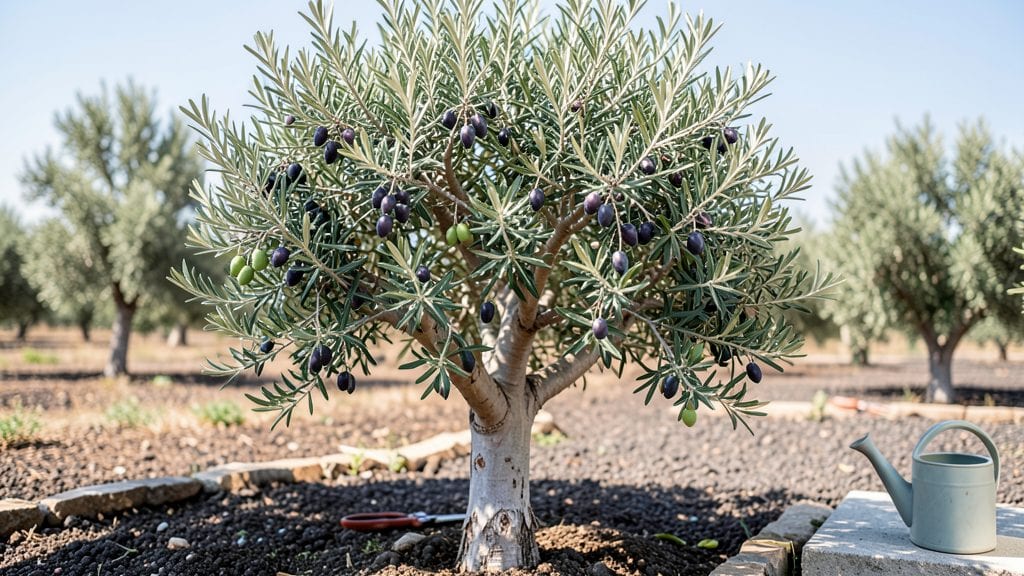
This extended growing window means you can experiment with warm-season crops like okra and sweet potatoes well into autumn, while citrus and olive trees flourish year-round. 🌿 The key is understanding your specific microclimate: urban areas often run 5-10°F warmer than rural spots, while higher elevations may experience earlier frosts.
I've found that planting heat-sensitive crops like basil in late spring (after the last frost) and switching to cold-hardy kale in fall maximizes my harvests.
What sets Zone 8 apart is its ability to support both tropical and temperate plants simultaneously. While Zone 7 gardeners might struggle with citrus survival, Zone 8's milder winters create ideal conditions for Meyer lemons and kumquats.
Meanwhile, the summer heat—often exceeding 90°F—allows for bumper crops of eggplants and zucchini that would wilt in cooler climates. The secret? Mulching heavily in summer to retain moisture and providing afternoon shade for delicate greens during peak heat.
💡 In This Article
- Zone 8 Climate Breakdown: What Defines This Gardening Region
- Top 15 High-Yield Plants for Zone 8 Gardens
Zone 8 climate breakdown: what defines this gardening region
Zone 8's defining feature is its 10-20°F average minimum temperature during winter months, creating a unique growing window that bridges temperate and tropical climates. This range allows hardy citrus like Meyer lemons to survive winters while still permitting summer crops like okra to flourish.
The 270-300 frost-free days annually give gardeners nearly year-round growing potential, compared to Zone 7's 200-240 frost-free days and Zone 9's 300+ days. This extended season means you can plant warm-season crops like tomatoes as early as February-March and continue harvesting into November-December.
The humidity in Zone 8 varies dramatically by region, with coastal areas experiencing 60-70% relative humidity year-round while inland zones can drop to 30-40% during summer. This variation affects irrigation needs—coastal gardens may require 1-1.5 inches of water weekly during dry spells, while inland areas might need 2-3 inches.
The interplay between humidity and temperature also creates ideal conditions for fungal diseases on leafy greens, which is why I always space my lettuce plants 8-12 inches apart for better airflow and mulch heavily with straw to prevent soil-borne pathogens.
Microclimates play a crucial role in Zone 8 gardening success. Urban heat islands can push temperatures 5-10°F warmer than surrounding rural areas, while south-facing slopes may receive 300-400 additional heat units annually compared to north-facing gardens.
This is why my urban backyard (just 1 mile from my rural neighbor's) can support two extra harvests of basil per year. Elevation changes also matter—every 1,000 feet gained typically drops temperatures by 3.5°F, which can shift your effective growing zone by ½ to 1 zone.
Comparing Zone 8 to its neighbors reveals key differences in plant hardiness. Zone 7 gardeners must protect tender citrus with winter wraps or move pots indoors, while Zone 9 gardeners battle summer heat stress that can scorch tomatoes at 95°F+.
Zone 8's sweet spot allows for unprotected citrus growth in most areas while still accommodating summer crops that would struggle in Zone 9's intense heat. The 100-day growing season extension in Zone 8 compared to Zone 7 translates to 30-40% higher yields for warm-season vegetables like peppers and squash.
What most gardeners don't realize is how soil temperature drives planting decisions in Zone 8. Warm-season crops like cucumbers won't germinate until soil reaches 60°F, which typically occurs by mid-April in most areas.
I've found that using a soil thermometer and planting warm-season crops only after 3 consecutive days above 60°F eliminates the need for row covers. The opposite is true for fall planting—cool-season crops like broccoli should go in the ground when soil temperatures drop below 75°F, usually by mid-September.
One advanced technique I've mastered is using microclimate mapping to create planting zones within my own yard. By tracking temperature variations across different exposures (south, east, west), I've identified that my south-facing raised bed gets 14 days earlier spring planting than my north-facing in-ground plot.
This allows me to stagger plantings of the same variety—like my heirloom tomatoes—to extend harvests by 3-4 weeks.
For new Zone 8 gardeners, the most important takeaway is to plan your calendar around temperature thresholds rather than fixed dates. The 10-20°F winter minimum defines what will survive winter, while the 60°F soil temperature determines when warm-season crops can be planted.
Understanding these thresholds transforms gardening from guesswork to precision agriculture. 🌡️