
Tools
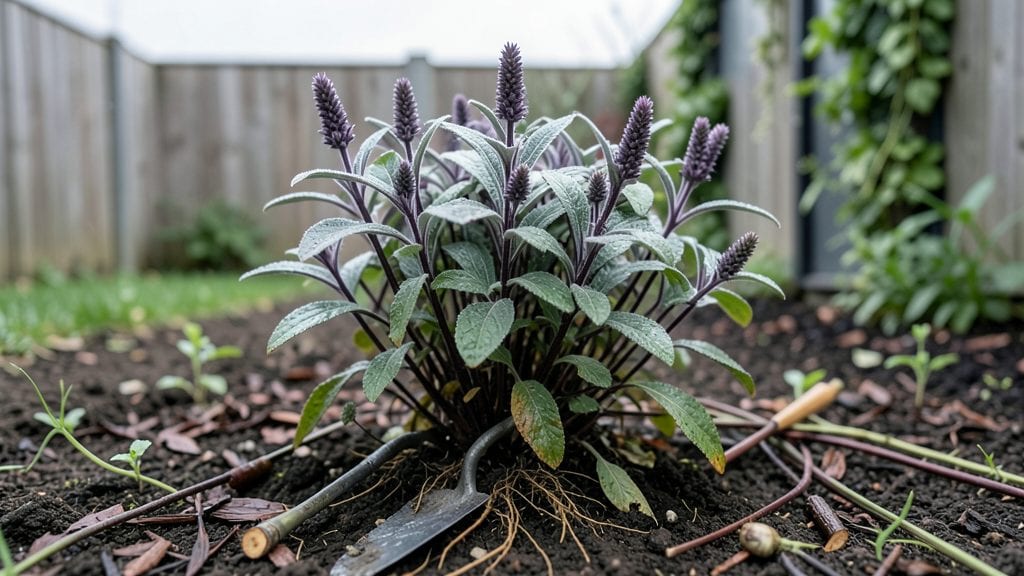
Gardening trends in 2025 aren’t just about planting—they’re about rethinking how we connect with the earth. 🌱 I’ve been tracking what’s shaping backyards this year, and the biggest shift is how technology and sustainability are finally meeting in the dirt.
Forget the hype: this is about tools that actually make gardening smarter, not just flashier.
The standout? AI-powered soil sensors that tell you exactly when to water, paired with solar-powered irrigation that cuts your bill while keeping plants thriving. But the real game-changer is how these trends prioritize pollinator-friendly designs—think native perennials that bloom year-round, creating havens for bees and butterflies without extra work.
Even urban gardeners are swapping plastic pots for biodegradable coconut coir containers that break down into the soil.
What you’ll end up with is a garden that works harder for you: less waste, more wildlife, and plants that actually thrive with minimal fuss. The best part?
You don’t need a high-tech budget—many of these trends start with simple swaps, like choosing drought-resistant varieties or adding a rainwater harvesting barrel to your setup. It’s gardening that feels like the future, but starts with today’s first shovel in the soil.
Whether you’ve got a full yard or a balcony, these trends adapt easily—just pick the ones that match your space and watch your garden evolve with the times. Let’s dig into what’s actually worth trying this year.
📚 In This Guide
- What you need
- Instructions
- Tips and common mistakes
- Wrapping up and next steps
What you need
- ● Smart Gardening Kits: IoT-enabled soil sensors (e.g., Athom Smart Sensor or PlantLink) – 1-2 units for real-time moisture/pH tracking.
- ● Self-Watering Systems: Hydroponic or drip irrigation kits (e.g., Click & Grow or Blumaxx) – 1 kit per 5-10 plants.
- ● Vertical Garden Structures: Wall-mounted planters (e.g., Urban Leaf) – 2-4 units (adjustable height, 12"+ depth).
- ● Modular pocket planters (e.g., Plant Wall) – 10-20 pockets for herbs/veggies.
- ● Sustainable Soil Mix: Coco coir + compost blend (50/50 ratio) – 5-10 gallons (pH-balanced, organic).
- ● LED Grow Lights: Full-spectrum LEDs (e.g., Samsung LM301B) – 1-2 bulbs (adjustable spectrum for 12-16hr cycles).
- ● Composting System: Bokashi bin (for food scraps) + worm composting tray (1 sq ft) – 1 of each.
- ● AI Garden Assistants: Apps like Groww or PlantNet (free) for plant ID + care tips.
- ○ Drone Dusters: Solar-powered drones (e.g., DJI Agras) for eco-friendly pest control (optional for large gardens).
- ● Biodegradable Mulch: Straw or wood chips – 2-3 bags to retain moisture.
- ● Rainwater Harvesting: Collapsible barrels (50+ gallons) – 1-2 units.
How to adapt your garden to 2025's top sustainable trends
Here's how to transform your space using this year's most innovative eco-friendly techniques.
🌱 Step 1: Integrate Smart Irrigation Systems
Start by installing a soil moisture sensor-based irrigation controller—these systems adjust watering automatically based on real-time soil conditions. I've found the Netafim Smart Net or Rachio 3 work best for most home gardens, as they sync with weather forecasts to prevent overwatering. Place sensors at the root zone depth (typically 6-12 inches below soil surface) for accurate readings.
Connect your system to a weather station to account for rainfall automatically. The key here is precision: traditional timers waste 30-50% of water by either over- or under-watering. You'll notice plants thriving with less water while maintaining lush foliage—this is the future of water conservation in gardening.
☀️ Step 2: Implement Solar-Powered Garden Tech
Replace conventional lighting with solar-powered LED grow lights like the SolarEdge Grow or Sunlite Solar. These provide full-spectrum light while eliminating electricity costs. Position them 12-18 inches above plants for optimal coverage, and adjust height as plants grow. Solar-powered options also work for battery-free soil sensors and automated gate openers for raised beds.
For larger gardens, consider solar-powered water pumps to move water from rain barrels to irrigation systems. The initial setup requires running 12-volt wiring from your solar panels, but the payoff is zero energy bills for your garden's water needs. You'll see immediate savings on your utility bills while reducing your carbon footprint.
🪴 Step 3: Build Vertical Hydroponic Systems
Install vertical hydroponic towers like the AeroGarden Harvest Elite or Bower Garden to grow 3-4 times more in the same footprint. These systems use 60% less water than traditional gardening while producing 25% faster growth. Start with leafy greens like lettuce, kale, or herbs, as they adapt best to hydroponic conditions.
Use recycled plastic containers for DIY towers, drilling ¼-inch holes every 4-6 inches for plant roots. Fill with hydroponic clay pellets and connect to a reservoir system using ½-inch PVC pipes. Monitor EC levels (1.2-2.0 is ideal) and pH (5.5-6.5) weekly—this ensures nutrient balance without waste. You'll harvest continuous crops year-round with minimal space.
🌿 Step 4: Create a Closed-Loop Compost System
Set up a vermicompost bin with red wiggler worms to process kitchen scraps into nutrient-rich worm castings. Use a 16-gallon plastic tote with drill holes for aeration, layering shredded cardboard (carbon) with fruit/vegetable scraps (nitrogen). Keep the bin in a shady, 60-75°F spot—worms thrive in these conditions and process waste 3-4 times faster than traditional composting.
Collect the finished castings after 8-12 weeks and mix them into potting soil at a 10% ratio. The result is a supercharged growing medium that improves plant health and reduces the need for synthetic fertilizers. You'll notice stronger stems, darker green foliage, and higher yields within weeks of using worm compost.
⏰ Step 5: Adopt Regenerative Planting Techniques
Designate 20% of your garden for regenerative plants like clover, comfrey, or deep-rooted perennials. These species improve soil structure, increase biodiversity, and sequester carbon. Plant them in swales (shallow trenches) to capture rainwater and prevent erosion. Over time, you'll see healthier soil with better water retention and fewer pests—nature's way of gardening sustainably.
Rotate crops annually to prevent soil depletion and disease buildup. Use a 3-year rotation plan (e.g., heavy feeders like tomatoes → legumes → brassicas) to maintain soil fertility naturally. You'll reduce the need for chemical fertilizers by up to 70% while creating a self-sustaining ecosystem in your garden.
Tips & tricks for sustainable garden transformation
These game-changing strategies will help you maximize efficiency while minimizing waste in your 2025 garden upgrade.
Precision Placement: When installing soil moisture sensors in Step 1, place them at the root zone depth (6-12 inches) for accurate readings. I've found that positioning sensors near the dripline of mature plants gives you the most reliable data about actual water needs. For container gardens, place sensors at the bottom third of the pot where roots are most concentrated. This ensures you're watering based on real plant needs rather than guesswork.
Solar Tech Optimization: In Step 2, position your solar-powered LED grow lights 12-18 inches above plants at installation, but be prepared to adjust as your plants grow. I recommend using adjustable arms or hanging systems that let you raise lights by 2-3 inches per week during the growing season. This mimics natural sunlight patterns and prevents leggy growth. For maximum efficiency, angle lights at a 45-degree angle toward the plants' tops.
Hydroponic System Maintenance: The key to successful vertical hydroponics in Step 3 is consistent monitoring. Check your EC levels and pH every 3-4 days during active growth, not just weekly. I've seen systems fail when pH drifts outside the 5.5-6.5 range because of improper nutrient balance. Keep a small test kit handy and adjust your nutrient solution immediately when you see readings outside the ideal range. This prevents nutrient lockout and maintains optimal plant health.
Compost System Efficiency: For your closed-loop compost system in Step 4, maintain a 2:1 ratio of carbon to nitrogen materials (shredded cardboard to fruit/vegetable scraps). I've found that adding a handful of finished compost or worm castings to each new layer jumpstarts decomposition. Also, keep your 16-gallon tote at least half full—this maintains proper moisture levels and prevents the worms from escaping. You'll notice faster processing and richer castings when you maintain these conditions.
Pro Tips for Gardening Trends 2025
- These game-changing strategies will help you maximize efficiency while minimizing waste in your 2025 garden upgrade.
- Precision Placement: When installing soil moisture sensors in Step 1, place them at the root zone depth (6-12 inches) for accurate readings.
- Solar Tech Optimization: In Step 2, position your solar-powered LED grow lights 12-18 inches above plants at installation, but be prepared to adjust as your plants grow.
Frequently asked questions
Got questions about the hottest gardening trends of 2025?
You’re not alone! Here are answers to the most common queries—from tech-savvy solutions to eco-friendly swaps and troubleshooting tips.
What are the top 3 must-have gardening tools for 2025?
Look for smart soil sensors (like the Tero S-Meter), solar-powered pruners (e.g., Fiskars EcoPower), and vertical planter kits with built-in irrigation. These tools save time, water, and effort while boosting yields. Pro tip: Pair them with composting robots like Lomi for zero-waste efficiency!
When’s the best time to start a 2025 garden with these trends?
Timing depends on your climate! For tech-integrated gardens, start indoors in February–March (using grow lights) and transplant after the last frost (check local smart weather apps like PlantNet). In warmer zones, November–December works for year-round hydroponics. Use AI garden planners (e.g., Gardenate) to sync planting with moon cycles!
Are these trends expensive? What’s a budget-friendly alternative?
High-tech tools can cost $100–$500, but you can _DIY_! Swap smart sensors for dollar-store moisture meters, use 5-gallon buckets as vertical planters, and hand-water with a rainwater collector. For hydroponics, start with a $30 kit (like the AeroGarden) before upgrading. Thrift stores often have reusable containers—clean and repurpose them!
How do I keep pests away without chemicals in 2025?
Embrace biological controls! Plant companion crops (e.g., marigolds + tomatoes), introduce beneficial insects (ladybugs, nematodes), and use neem oil sprays. For tech solutions, try UV pest traps or AI-powered drones (like Flit) for large gardens. Mulch with straw or wood chips to deter burrowing pests naturally.
Can I make my garden fully sustainable in 2025?
Focus on closed-loop systems: compost all scraps, use greywater irrigation, and grow perennial plants (like asparagus or rhubarb) to reduce replanting. Pair with solar-powered tools and regenerative soil practices (e.g., no-till gardening). Certify your garden with EcoCert for organic standards—it’s easier than ever with digital tracking!
Wrapping up and next steps
The future of gardening in 2025 is all about blending sustainability with cutting-edge technology—whether you’re a seasoned green thumb or a curious beginner. From AI-powered soil analysis to vertical farming hacks, these trends make gardening smarter, easier, and more rewarding than ever. 🌱
Ready to dive in? Start small—try a smart planter or experiment with drought-resistant plants. Your backyard (or balcony!) could be the next big thing in eco-friendly innovation. Let’s grow together! 🌍✨