Planting
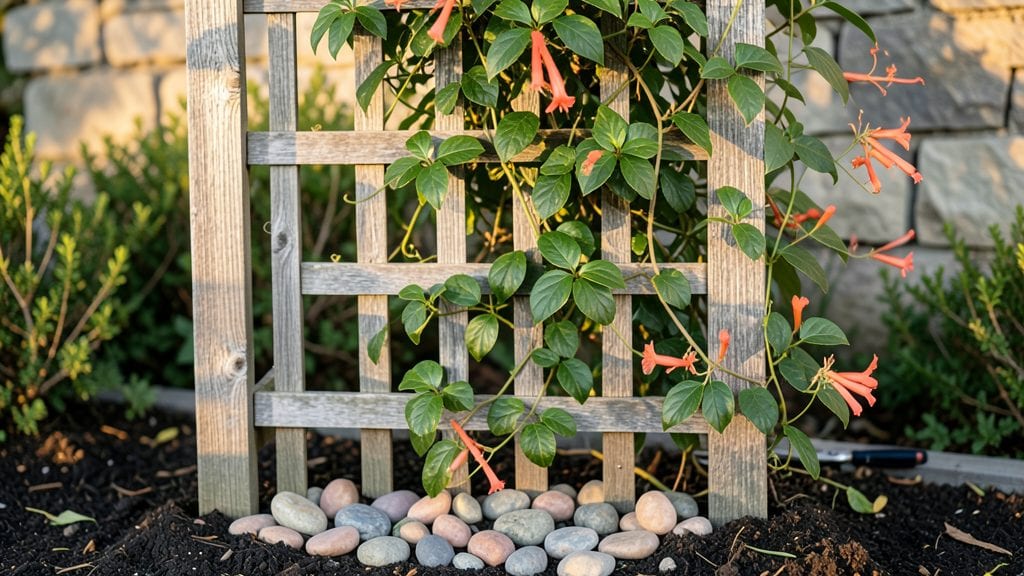
Creating a garden plant wall transformed my cramped patio into a lush vertical oasis where herbs and climbers thrive without stealing square footage. The first time I saw ivy cascading down an old wooden pallet, I knew I’d never look at blank walls the same way again.
Now my mint, basil, and morning glories grow where weeds once took over—plus, the air smells like a summer garden even in a tiny space.
You don’t need fancy materials to start—just a sturdy frame, some lightweight soil, and plants that love to climb or spill over edges. I used cedar planks and chicken wire for my first wall, but pallets, trellises, or even hanging pockets work too.
The key is choosing plants that won’t outgrow the space quickly, like thyme, nasturtiums, or clematis, which stay manageable with occasional pruning.
Within three months, you’ll have a fragrant, living wall that doubles as a privacy screen and a kitchen herb source. Imagine snipping fresh rosemary for dinner while watching your jasmine vines bloom—it’s the kind of small-space magic that makes gardening feel limitless.
The best part? No digging, no weeding, just vertical growth that turns dead space into a green escape.
Works for balconies, alleyways, or even indoors near a sunny window. Here’s how to build one that fits your space—and your style—without breaking the bank.
📚 In This Guide
- What you need
- Instructions
- Tips and common mistakes
- Wrapping up and next steps
What you need
- ● Wall Structure: Wooden pallets (2–4, depending on size) OR
- ● PVC pipes (½" diameter, 10–15 ft per section) OR
- ● Modular planter panels (pre-made, 4’x8’ sheets work well)
- ● Fasteners & Hardware: Galvanized screws (2"–3", 50–100 qty)
- ● L-brackets or corner braces (10–20 qty)
- ● Outdoor-rated wood glue (1–2 bottles)
- ● Plants & Soil: Climbing plants (e.g., ivy, jasmine, or herbs like basil/thyme)
- ● Potting mix (2–4 bags, lightweight & well-draining)
- ○ Slow-release fertilizer (optional, 1–2 packets)
- ● Tools: Drill & drill bits (¼"–½")
- ● Level (2–3 ft)
- ● Measuring tape & pencil
- ● Saw (hand saw or circular saw for wood)
- ● Drip irrigation kit (for low-maintenance watering)
- ● Coco coir or landscape fabric (to prevent soil spillage)
- ● Decorative pebbles or moss (for a polished look)
- ● Solar-powered lights (to highlight your wall at night!)
Step-by-step instructions for building a garden plant wall
Here’s how to create a functional, space-saving vertical garden that thrives with climbers and herbs.
Choose and Prepare the Wall Structure
Select a sturdy wall or freestanding frame that can support the weight of plants and soil. For a DIY approach, use a wooden pallet, cinder blocks with attached shelves, or a pre-made vertical garden kit. The structure should be at least 12 inches deep to accommodate root growth and allow for proper drainage. If using a wooden frame, treat it with a non-toxic sealant to prevent rot and ensure longevity.
Position your wall in a location that receives at least 6 hours of sunlight daily, especially if growing herbs or sun-loving climbers like morning glories or cucumbers. South-facing walls or areas with partial shade (for shade-tolerant plants like mint or parsley) work well. Avoid spots prone to strong winds, which can dry out plants quickly.
Install Drainage and Growing Medium
Line the back of the wall with landscape fabric to prevent soil from washing out and to block weeds. Secure it tightly with staples or nails. Next, layer 2-3 inches of gravel or small rocks at the bottom for drainage. This layer ensures excess water flows out, preventing root rot—a common issue in vertical gardens.
Fill the remaining space with a lightweight potting mix designed for containers or vertical gardens. Avoid garden soil, as it compacts easily and doesn’t drain well. Mix in perlite or vermiculite (about 20% of the total volume) to improve aeration and moisture retention. Distribute the mix evenly across the wall, tamping it down gently to eliminate air pockets.
Plant Climbers and Herbs Strategically
Start by planting fast-growing climbers at the bottom of the wall, such as ivy, clematis, or pole beans. These will establish roots quickly and provide a sturdy base for lighter plants above. Space them 8-12 inches apart to allow room for growth. For herbs like basil, thyme, or parsley, plant them in small pockets or individual containers secured to the wall, spacing them 6-8 inches apart.
If using a trellis or wire grid, weave it into the wall structure before planting. This gives climbers something to grip as they grow. Water thoroughly after planting to settle the soil and encourage root establishment. Use a gentle spray to avoid displacing seedlings, and avoid overwatering, which can lead to fungal issues.
Maintain Watering and Light Conditions
Vertical gardens dry out faster than ground-level plantings, so check the moisture level daily during the first week and every 2-3 days afterward. Water deeply until you see moisture seeping out the bottom drainage layer. Use a soaker hose or watering can with a narrow spout to deliver water directly to the roots without disturbing the plants.
Monitor sunlight exposure closely, as herbs and climbers have varying needs. If leaves turn pale or stems stretch excessively, your wall may need more light. Conversely, if leaves wilt or develop brown edges, it could be too much sun or underwatering. Adjust watering and positioning as needed, especially during hot summer months or cooler fall seasons.
Prune and Harvest Regularly
Prune climbers monthly to encourage bushier growth and prevent them from overtaking the wall. Trim back leggy stems to just above a leaf node, where new branches will sprout. For herbs, harvest leaves regularly—this promotes fuller growth and prevents flowering, which can make them taste bitter. Pinch off flowers as they appear to redirect the plant’s energy into leaf production.
Fertilize lightly every 4-6 weeks with a balanced, water-soluble fertilizer diluted to half strength. Over-fertilizing can burn roots in confined spaces, so less is often more. Keep an eye out for pests like aphids or spider mites, which thrive in dense foliage. Treat infestations early with neem oil or insecticidal soap to protect your plants without harming beneficial insects.
Tips & tricks for building a functional garden plant wall
A few strategic tips will help you create a thriving vertical garden that lasts seasons and produces beautifully.
Structure Stability: When selecting your wall structure, pay extra attention to weight distribution. If using a DIY wooden pallet or cinder blocks, reinforce the base with additional supports if your wall exceeds 3 feet in height. I once built a 4-foot wall without proper reinforcement, and it sagged noticeably after just two weeks of planting. For extra security, consider using L-brackets to connect shelves to the wall.
Drainage Layer: The 2-3 inches of gravel you add for drainage is crucial, but don't skimp on quality. Use rounded river rocks rather than sharp-edged gravel, which can damage plant roots over time. I've found that adding a layer of landscape fabric over the gravel prevents fine soil particles from clogging the drainage layer, keeping water flowing freely. This simple step prevents the most common failure point in vertical gardens.
Plant Placement: In Step 3, when arranging your fast-growing climbers and herbs, place taller plants toward the back of the pockets or containers. This creates a natural tiered effect and prevents smaller plants from being shaded out completely. I've noticed that herbs like basil and parsley placed in the front get more sunlight exposure, which actually enhances their flavor. Just be mindful not to overcrowd—those 8-12 inch spacing guidelines are there for a reason.
Watering Strategy: The daily watering requirement during the first week might seem intensive, but it's essential for establishing roots in the confined space. I recommend setting up a simple drip irrigation system using a soaker hose—it delivers water consistently without the risk of overwatering that comes with hand-watering. For the first week, check moisture levels in the morning and evening to adjust your watering schedule based on how quickly the mix dries out.
Pro Tips for Garden Plant Wall
- A few strategic tips will help you create a thriving vertical garden that lasts seasons and produces beautifully.
- Structure Stability: When selecting your wall structure, pay extra attention to weight distribution.
- Drainage Layer: The 2-3 inches of gravel you add for drainage is crucial, but don't skimp on quality.
Frequently asked questions
Got questions about building your own garden plant wall?
You’re not alone! Here are some of the most common queries—plus quick, practical answers to help you get started without the guesswork.
What’s the best time of year to install a garden plant wall?
For most climbers and herbs, spring or early fall is ideal—when temperatures are mild and plants can establish roots before extreme weather. Avoid planting in peak summer heat (stress for tender species) or deep winter (slow growth). If using annuals, check seed packets for specific timing!
Can I use a garden plant wall for edible herbs like basil or mint?
Herbs like basil, thyme, oregano, and mint thrive in vertical gardens. Opt for well-draining soil and pockets with drainage holes to prevent root rot. Just watch out—mint spreads aggressively, so contain it in its own section or pot!
How often should I water a garden plant wall?
Frequency depends on your climate, but daily misting or light watering in the morning works best for most setups. Vertical gardens dry out faster than ground beds, so check soil moisture regularly. Self-watering systems or wicking fabric can simplify maintenance—especially for busy gardeners!
What’s the easiest way to keep pests away from my plant wall?
Prevention is key! Start with organic pest control like:
- Neem oil spray (deters aphids, spider mites)
- Companion planting (e.g., marigolds repel pests)
- Regular pruning to improve airflow (pests hate crowded spaces!)
Can I build a garden plant wall on a balcony or patio without a green thumb?
Yes! Start with low-maintenance plants like:
- Succulents (drought-tolerant)
- Herbs (rosemary, sage) (hardy and fragrant)
- Creeping thyme (ground cover + edible!)
Will a garden plant wall survive winter?
It depends on your setup! Hardy perennials (e.g., ivy, clematis) and woody climbers (e.g., wisteria) handle cold well. For tender plants:
- Use insulated planters or bubble wrap around pots.
- Move potted herbs indoors or to a sheltered spot.
- Choose evergreen climbers (e.g., English ivy) for year-round interest.
Wrapping up and next steps
Transforming your garden—or even a small balcony—into a lush, vertical haven is simpler than you think! A garden plant wall isn’t just a creative solution for limited space; it’s a functional and aesthetic powerhouse that brings nature closer while maximizing your green thumb’s potential.
Whether you’re growing fragrant herbs, vibrant climbers, or edible greens, the key is to start small, stay consistent, and let your creativity bloom.
Ready to turn your vision into reality? Grab your tools, pick your plants, and begin building your dream wall today! 🌿✨ Plan your project now—your future vertical garden is waiting!