
Tools
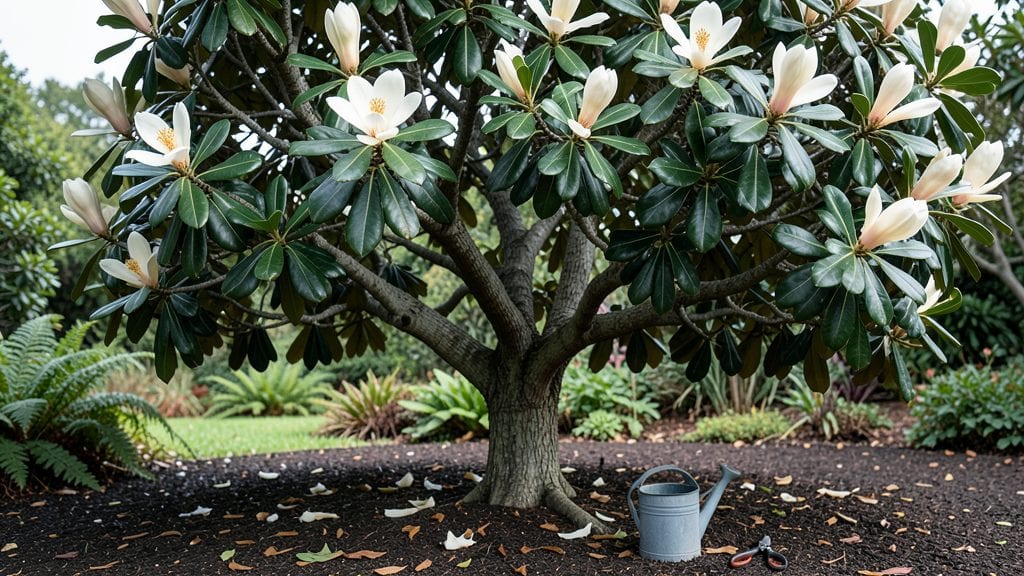
Gardening in Virginia thrives with native perennials like black-eyed Susans, Virginia sweetspire, and daylilies, while cool-season crops (kale, spinach) excel in spring/fall. Summer heat suits tomatoes, peppers, and okra, but mulch and shade cloth are essential. Virginia’s USDA zones 4-8 demand seasonal adjustments: start cool-season veggies in early spring, transplant warm-season plants after last frost (mid-April in most regions). Soil amendments like compost improve sandy coastal or clay-rich Piedmont soils, and local nurseries stock region-adapted varieties for pest resistance.
Virginia’s diverse climate—from coastal humidity to mountain highlands—means your garden can grow everything from heat-loving peppers to frost-tolerant broccoli with the right timing. 🌱 The key is working with your microclimate: Piedmont gardeners might need extra mulch to retain moisture, while Shenandoah Valley growers can push summer crops later into fall.
Local nurseries like Mount Cuba Center offer varieties bred to thrive here, reducing the guesswork of trial and error.
Native plants aren’t just low-maintenance—they’re also vital for Virginia’s ecosystems. Virginia sweetspire, for example, blooms reliably in zones 5-9 and attracts pollinators, while daylilies handle both drought and clay soil.
For edibles, okra and sweet potatoes love Virginia’s humid summers, but their success depends on consistent watering and proper spacing to prevent disease.
💡 In This Article
- Virginia’s Climate Zones and Planting Timelines
- Top Virginia-Native Plants and Low-Maintenance Crops
Virginia’s climate zones and planting timelines
Virginia spans USDA hardiness zones 4-8, creating microclimates where coastal areas (like Norfolk) average 15-20°F colder winters than mountain regions (like Roanoke). The Piedmont zone (5-6) experiences 100+ frost-free days, perfect for tomatoes and peppers, while Coastal Plain (7-8) can grow citrus with protection.
The Blue Ridge and Shenandoah Valley (4-5) have shorter seasons but cooler summers ideal for leafy greens.
The last spring frost typically arrives March 15-April 15, but elevation changes everything: Mount Rogers (zone 5) may see frost in May, while Richmond (zone 7) is safe by March 20.
Summer heat (often 90°F+ by July) explains why sweet potatoes thrive—their vines tolerate humidity and poor soil, while broccoli bolts quickly above 75°F. Mulch is non-negotiable in Piedmont’s clay soil to prevent cracking.
Extend seasons with row covers (add 4-6°F protection) or cold frames (up to 10°F warmer). I’ve seen spinach grow through December in zone 7 with a simple hoop tunnel. For summer crops, shade cloth (30-50%) prevents bolting in 95°F+ heat—critical for basil and lettuce.
Soil pH varies wildly: Coastal Plain sands need compost (pH 6.0-6.5), while Piedmont clay benefits from gypsum (pH 5.5-6.0). Native Virginia bluebells (zone 4-8) handle both extremes.
Local nurseries like Mount Cuba Center sell zone-specific seeds, but save okra seeds from your garden—they adapt better to your microclimate than store-bought varieties.
Here’s how to time it: Start cool-season crops (kale, peas) in February under row covers, then transplant after last frost. Warm-season plants (tomatoes, peppers) go in April 15-May 1—earlier in zone 8, later in zone 5.
The Shenandoah Valley can push fall planting to September 15 for overwintering greens.
What most people miss? Humidity isn’t just about heat—it’s why fungal diseases (like powdery mildew) hit peppers harder in zone 7 than zone 4. Space plants 12-18 inches apart for airflow, and water early morning to reduce moisture on leaves. 💫