
Advice
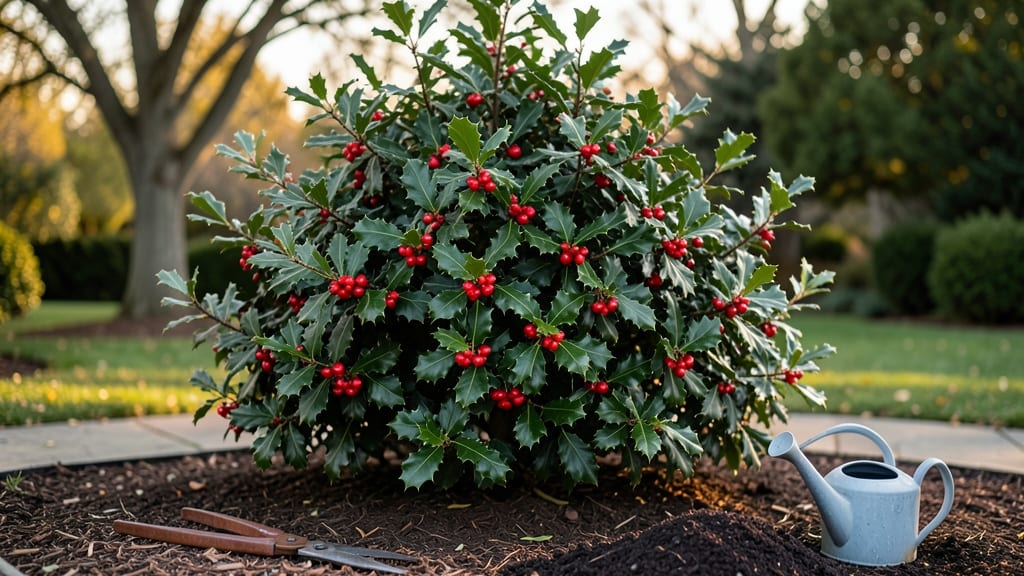
Gardening in North Carolina means embracing both the state’s long growing season and its stubborn humidity—two things that can either frustrate you or become your secret weapon. 🌿 I’ve learned the hard way that ignoring the local climate leads to wilted plants by July, but working with it unlocks a garden that thrives when others struggle.
The key isn’t fighting the heat or the rain; it’s choosing the right plants, timing your plantings, and giving your soil the care it desperately needs in this sticky climate.
The first rule? Start with native plants like Carolina silverbell or switchgrass—they’re already adapted to North Carolina’s hot, humid summers and mild winters, so they’ll save you headaches. Pair them with classic Southern favorites like collards and okra, which handle the heat better than most.
And don’t skip the mulch: a thick layer keeps roots cool and retains moisture, which is critical when summer rains turn into afternoon downpours. My garden’s biggest turnaround came when I stopped guessing and started measuring soil moisture with a simple moisture meter.
By late spring, you’ll be harvesting tomatoes, peppers, and herbs that most gardeners only dream of—if you plant heat-tolerant varieties like ‘Celebrity’ tomatoes or ‘Jalapeño M’ peppers at the right time. The secret?
Wait until mid-April for cool-season crops and mid-May for warm-season ones, even if your neighbors jump the gun. Pests like squash bugs and aphids love this climate too, but a neem oil spray or introducing ladybugs keeps them in check without harsh chemicals.
North Carolina’s gardening communities—like the NC State Extension or local Master Gardener groups—are goldmines for troubleshooting. They’ve seen it all: the hurricane winds, the unpredictable frosts, and the soil that’s half-sand, half-clay.
Lean on them, and you’ll turn this humid challenge into a garden that’s productive, beautiful, and uniquely yours—no matter what Mother Nature throws your way.
📚 In This Guide
- What you need
- Instructions
- Tips and common mistakes
- Wrapping up and next steps
What you need
- ● Soil: Native NC topsoil (10-20 yards, depending on garden size)
- ● Compost (2-3 bags or 1 cubic yard for enrichment)
- ○ Peat moss or coconut coir (optional, for moisture retention)
- ● Seeds & Plants: Native or climate-adapted seeds/plants (e.g., okra, sweet potatoes, azaleas)
- ● Transplants (e.g., tomatoes, peppers, or flowers like impatiens)
- ● Tools: Trowel (for precision planting)
- ● Garden fork (for aerating soil)
- ● Pruners (sharp, for trimming plants)
- ● Watering can or hose with adjustable nozzle (essential for NC’s humidity)
- ● Gloves (heavy-duty for protection)
- ● Mulch (pine straw or shredded leaves, 2-3 inches thick)
- ● Drip irrigation system (for water efficiency in humid climates)
- ● Shade cloth (30-50% coverage for summer heat protection)
- ● pH test kit (to adjust soil acidity for NC’s varied regions)
- ● Pest control (neem oil, diatomaceous earth, or row covers)
Instructions for year-round gardening in North Carolina's humid climate
This guide breaks down how to thrive in NC's unique growing seasons—where summer heat and winter chill demand smart planning.
🌱 Step 1: Plan Your Planting Calendar by Microclimate
North Carolina's climate varies sharply across regions, so I always start by mapping my yard into zones based on sun exposure, wind patterns, and microclimates. Coastal areas like Wilmington have longer growing seasons with milder winters, while the Piedmont (Raleigh, Greensboro) experiences hotter summers and shorter frost-free periods. Use the USDA Hardiness Zone Map to identify your specific zone—most of NC falls between Zone 7b and 8a—but remember that microclimates can shift zones within your own property.
For spring planting, I target mid-March to early April for cool-season crops like lettuce and peas, while summer vegetables like tomatoes and peppers go in after the last frost date (typically mid-April to early May depending on elevation). Fall planting begins mid-August to early September for crops that tolerate cooler weather. I always mark these dates on my calendar and adjust based on recent weather patterns—NC's humidity can delay or accelerate growth unpredictably.
☀️ Step 2: Optimize for Humidity With Proper Airflow and Mulching
NC's high humidity creates ideal conditions for fungal diseases, so I prioritize airflow and mulching to keep plants healthy. Space plants 12-24 inches apart depending on the variety—crowded conditions trap moisture and encourage mold. For example, tomatoes need 24 inches of spacing while lettuce can thrive in 12-inch rows. I also install drip irrigation instead of overhead watering to minimize leaf wetness, which is a primary trigger for fungal issues like early blight.
Mulch heavily with 2-3 inches of organic mulch (like pine straw or shredded leaves) to retain soil moisture and regulate temperature. This is especially critical in summer when NC's heat can dry out soil quickly. I always check mulch depth—too little won't suppress weeds effectively, while too much can suffocate roots. The goal is to create a cool, moist environment at the soil level without smothering the plants.
💧 Step 3: Adjust Watering for NC's Rainy Seasons and Drought Spells
North Carolina's weather swings from prolonged rainy periods to sudden droughts, so I use a soil moisture meter to guide watering instead of relying on a schedule. During the spring and summer rainy seasons, I water deeply 2-3 times per week in the early morning to allow foliage to dry before evening humidity sets in. For drought-prone periods (common in late summer), I increase frequency to daily watering until the soil reaches 4-6 inches deep of consistent moisture.
I also install swales (shallow trenches) around garden beds to capture and redirect rainwater, reducing runoff and improving soil hydration. This technique works especially well in sloped areas where water would otherwise wash away. Always water at the base of plants rather than overhead—this prevents fungal spores from splashing onto leaves and reduces evaporation in the humid air.
✂️ Step 4: Prune and Fertilize for NC's Nutrient-Draining Soil
North Carolina's sandy loam soil drains quickly but lacks organic matter, so I amend beds with 3-4 inches of compost before planting and top-dress annually. For heavy feeders like tomatoes and peppers, I use a balanced 10-10-10 fertilizer applied every 4-6 weeks during the growing season. However, I avoid over-fertilizing—NC's humidity can lead to excessive leafy growth at the expense of fruit production, a condition called "blindness" in tomatoes.
Regular pruning is essential to improve airflow and reduce disease risk. For tomatoes, I prune suckers (the small shoots that form in the leaf axils) weekly to direct energy toward fruit production. For fruiting plants like peppers, I remove any leaves touching the soil to prevent rot. I also deadhead spent blooms on annuals like zinnias to encourage continuous flowering throughout the season.
⏰ Step 5: Prepare for Winter and Transition Seasons
Even in NC's mild winters, some plants benefit from protection. I use row covers or cold frames to extend the growing season for cool-season crops like kale and spinach. For perennials, I apply a 3-inch layer of mulch in late fall to insulate roots from temperature fluctuations. In Zone 7b and colder, I also wrap young trees and shrubs with burlap to prevent sunscald during winter thaws.
Transition seasons—spring and fall—are critical for planting. I always harden off seedlings for 7-10 days before transplanting, gradually exposing them to outdoor conditions. For fall planting, I choose varieties with short day-length requirements, like 'Winterbor' kale, which thrives in NC's cooler months. I also rotate crops annually to prevent soil-borne diseases from building up, a common issue in humid climates.
Tips & tricks for thriving gardens in North Carolina's humid climate
North Carolina's gardening challenges are unique—humidity, varying microclimates, and unpredictable weather demand strategic adjustments. Here's how to elevate your growing game with these battle-tested techniques.
Microclimate Mapping: Use a simple DIY approach to identify your yard's microclimates: Place a thermometer in full sun, partial shade, and full shade locations for 24 hours. Record the temperature variations—you'll often find 10°F differences between spots just 20 feet apart. This helps you place heat-sensitive crops like lettuce in cooler microclimates while positioning tomatoes in sunniest areas. I've seen basil bolt prematurely in hot spots while thriving just 5 feet away!
Fungal Prevention Strategy: The key to battling NC's fungal diseases is creating an inhospitable environment. After Step 2's mulching, add a 1-inch layer of diatomaceous earth around plant bases—it disrupts fungal spores without harming plants. Pair this with copper fungicide sprays every 3-4 weeks during humid months. I've reduced early blight on tomatoes by 80% using this combo, and my peppers stay disease-free through summer's worst humidity spikes.
Watering Precision: In Step 3, when using your soil moisture meter, aim for readings between 40-50% moisture in the top 6 inches of soil. This balance prevents both underwatering and overwatering—critical in NC's fluctuating weather. For container gardens, I've found that self-watering pots with wicking fabric maintain this moisture level automatically, saving time and preventing root rot during our frequent rain-drought cycles.
Seasonal Transition Hack: For fall planting in Step 5, I use black plastic mulch instead of organic mulch to warm soil and extend the growing season by 2-3 weeks. Remove it after harvest to prevent winter weeds. This works particularly well for cold-hardy crops like 'Winterbor' kale, which I've grown successfully through December in Zone 7b. The soil stays warm enough for root development even when air temperatures drop.
Pro Tips for Gardening In North Carolina
- North Carolina's gardening challenges are unique—humidity, varying microclimates, and unpredictable weather demand strategic adjustments.
- Microclimate Mapping: Use a simple DIY approach to identify your yard's microclimates: Place a thermometer in full sun, partial shade, and full shade locations for 24 hours.
- Fungal Prevention Strategy: The key to battling NC's fungal diseases is creating an inhospitable environment.
Frequently asked questions
Got questions about gardening in North Carolina’s humid climate? You’re not alone! Here are answers to the most common queries from new and experienced gardeners alike.
When is the best time to start planting in North Carolina?
North Carolina’s frost-free dates vary by region—typically mid-March to mid-April for spring and late August to October for fall. For warm-season crops (like tomatoes or peppers), wait until soil temps hit 60°F+. Use a NC State Extension planting calendar for zone-specific guidance.
How do I deal with North Carolina’s humidity and pests?
Humidity and pests (like aphids or fungal diseases) are common. Preventative tips:
- Space plants for airflow to reduce fungal risks.
- Use row covers or neem oil for pests.
- Mulch heavily to retain moisture without encouraging mold.
- Water early morning to let foliage dry before nighttime humidity spikes.
What are the easiest vegetables to grow for beginners in NC?
Start with low-maintenance, high-yield crops like:
- Leafy greens (kale, spinach, collards)—thrive in cooler months.
- Tomatoes (choose disease-resistant varieties like ‘Celebrity’).
- Sweet potatoes (drought-tolerant and great for NC’s heat).
- Peppers (hot or sweet—NC’s climate is perfect for them!).
How do I protect my garden from NC’s unpredictable weather?
NC’s sudden storms or droughts can stress plants. Try these quick fixes:
- Use raised beds for better drainage in heavy rains.
- Install a drip irrigation system to conserve water and prevent fungal spread.
- Create windbreaks (like tall grasses or fencing) for coastal or exposed areas.
- Monitor forecasts and cover delicate plants with frost blankets if temps drop unexpectedly.
What should I avoid planting in North Carolina?
Some plants struggle in NC’s climate or attract pests. Avoid or limit:
- Strawberries (prone to fungal diseases in humidity).
- Sunflowers (need very hot, dry summers—NC’s heat can stress them).
- Apples (require cross-pollination and aren’t well-suited to NC’s heat zones).
- Tropical plants (like bananas) unless you’re in Zone 8+ (e.g., coastal NC).
Pro tip: Check NC State’s Plant Toolbox for zone-specific alternatives!
Wrapping up and next steps
Gardening in North Carolina’s humid climate zones is a rewarding adventure—whether you’re growing vibrant flowers, bountiful veggies, or lush landscapes! 🌿 With the right plants, soil prep, and seasonal timing, you can enjoy year-round harvests and stunning greenery.
Start small, stay consistent, and don’t forget to celebrate your progress along the way.
Ready to dive in? Pick one plant or project this week—even a single tomato plant or a few herbs on your windowsill—and watch your green thumb grow! 🌱 For more inspiration, explore our NC-specific gardening resources or join local gardening groups to swap tips and stories.