
Tools
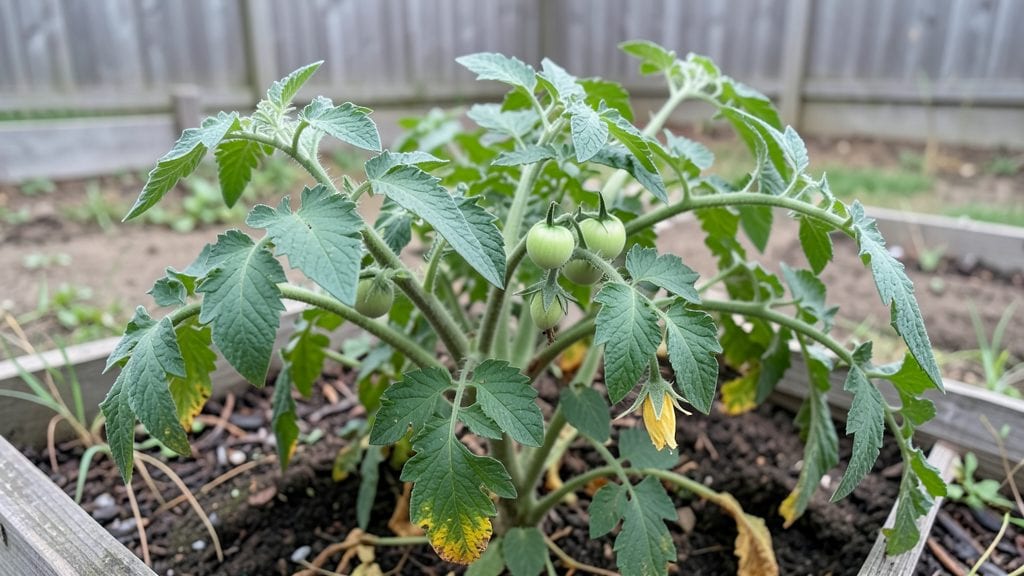
Gardening at home doesn’t require a backyard—just creativity and the right layout. I turned my tiny city balcony into a year-round harvest zone using vertical space and smart plant pairings. The trick is thinking upward and outward, not just outward.
Start with containers that fit your space: window boxes for herbs, hanging baskets for trailing plants, and stackable shelves for leafy greens. My setup uses three 5-gallon pots, a wall-mounted planter, and a fold-out table for seasonal crops.
The key is matching plant needs to what your space actually offers—light, water, and airflow first, aesthetics second.
By summer, you’ll be snipping fresh basil for sandwiches, harvesting cherry tomatoes that spill over the edges, and watching radishes pop up in just 25 days. The best part? Everything stays within arm’s reach, so weeding and harvesting become part of your daily routine instead of a chore.
This works for apartments, condos, or even sunny windowsills—no yard required. Whether you’re growing food, flowers, or both, the same principles apply. Let’s make the most of what you’ve got!
📚 In This Guide
- What you need
- Instructions
- Tips and common mistakes
- Wrapping up and next steps
What you need
- ● Containers: 3–5+ pots, planters, or grow bags (5–10 gallons each). Opt for lightweight, durable materials like fabric or plastic.
- ● Potting Soil: 1–2 bags of high-quality, well-draining potting mix (avoid garden soil—it compacts!). Look for labels like "organic" or "all-purpose."
- ● Seeds or Seedlings: Seeds: Fast-growing varieties like lettuce, radishes, or herbs (e.g., basil, parsley). Start with 10–20 seeds per container.
- ● Seedlings: 3–5 starter plants (e.g., cherry tomatoes, peppers, or microgreens) for quicker results.
- ● Watering Can or Hose: A 1-gallon can with a gentle spray nozzle (or a soaker hose for efficiency).
- ● Fertilizer: A balanced, water-soluble fertilizer (e.g., 10-10-10 NPK) or organic options like compost tea or worm castings.
- ● Drainage Trays: 1–2 trays to catch excess water and prevent root rot.
- ● Grow Lights: LED or fluorescent lights (12–16 hours/day) for indoor setups or low-light spaces.
- ● Trellises or Cages: For vining plants like cucumbers, beans, or peas (1–2 per container).
- ● Mulch: Straw or shredded leaves to retain moisture and suppress weeds.
- ● pH Test Kit: To monitor soil acidity (ideal range: 6.0–7.0 for most plants).
- ● Pruning Shears: Small, sharp scissors for trimming or harvesting.
- ● Garden Gloves: Lightweight, breathable pair to protect your hands.
Instructions: designing a productive small-space garden
Here’s how to maximize every square foot for a thriving garden that delivers year-round harvests.
Plan Your Layout Based on Sunlight Exposure
Start by mapping your space during the brightest part of the day. Most vegetables and herbs need at least 6 hours of direct sunlight daily, while leafy greens tolerate 4-5 hours. I sketch my yard with a pencil, marking areas that get full sun, partial shade, and full shade. This helps me group plants with similar light needs together—like tomatoes and peppers in the sunniest spot and lettuce under a tree’s dappled light.
Use a tape measure to mark sections for each plant type. For example, a 3-foot by 4-foot area can comfortably fit four basil plants or two tomato plants with their support stakes. I always leave at least 12 inches between plants to prevent overcrowding, which leads to disease and poor air circulation. If your space is truly tiny, consider vertical gardening with trellises or wall-mounted planters.
Choose the Right Containers and Soil Mix
For small spaces, containers are your best friend. I use a mix of 5-gallon buckets, window boxes, and fabric grow bags—each with drainage holes to prevent root rot. The key is matching container size to plant needs: deep-rooted plants like tomatoes need at least 12 inches of soil depth, while shallow-rooted herbs like thyme thrive in 6-inch pots. Fill containers with a lightweight potting mix (never garden soil) blended with compost for nutrients.
I always pre-moisten the soil before planting to help roots establish faster. Tap the container gently after filling to settle the soil without compacting it. If you’re using raised beds, line them with landscape fabric to block weeds while allowing water to drain. This step ensures your plants start with the right foundation for healthy growth.
Layer Plants for Maximum Yield
Think vertically and in layers to stretch your space. Tall plants like pole beans or indeterminate tomatoes go in the back or along fences, while bushier plants like peppers or eggplants fill the middle. Low-growing herbs like oregano or thyme spill over edges or line the front. I also use stackable planters for herbs, which saves floor space while keeping them within reach.
For year-round harvests, stagger planting times. Start cool-season crops like spinach or kale in early spring and late summer, while warm-season crops like peppers and cucumbers go in after the last frost. Succession planting—adding new seeds every 2-3 weeks—keeps your garden productive without overcrowding. This method ensures you’re always harvesting something fresh.
Optimize Watering and Maintenance
Small spaces dry out faster, so I use drip irrigation or self-watering containers to keep moisture consistent. Water deeply once or twice a week, depending on your climate, and always check the top inch of soil—if it’s dry, it’s time to water. Mulch with straw or shredded leaves to retain moisture and suppress weeds. I avoid overhead watering to prevent fungal diseases, which thrive in damp foliage.
Regular maintenance keeps your garden thriving. Prune leggy plants to encourage bushier growth, and pinch off flowers on herbs like basil to boost leaf production. I also rotate crops yearly to prevent soil depletion and pests. A 10-minute daily check for pests or wilting leaves saves headaches later. With these habits, your small-space garden will stay productive all season.
Extend the Season with Seasonal Adjustments
To harvest year-round, protect plants from frost and heat extremes. In cold climates, use row covers or cold frames to extend the growing season by 4-6 weeks in spring and fall. For heat, provide afternoon shade with shade cloth or plant heat-tolerant varieties like Swiss chard or okra. I also keep a few containers indoors near a sunny window for herbs like parsley and chives during winter.
Rotate crops every year to maintain soil health. For example, if you grew tomatoes in a container last year, plant beans or lettuce there this year—they don’t compete for the same nutrients. Keep a simple garden journal to track what worked and what didn’t. With these adjustments, your small-space garden will keep producing well beyond the typical growing season.
Tips & tricks for designing a productive small-space garden
Small spaces can yield big harvests when you use these practical strategies to maximize every inch of your garden.
Sunlight Strategy: In Step 1, when mapping your space, pay special attention to how sunlight shifts throughout the day. Early morning sun is gentler and great for leafy greens, while the intense afternoon sun works best for tomatoes and peppers. I've found that moving containers between morning and afternoon sun can extend the growing season for heat-sensitive plants like lettuce by up to 2 weeks.
Container Hack: For Step 2, consider using hanging baskets with cascading herbs like mint or strawberries. These can double your vertical space while keeping herbs within easy reach. I've also had great success with tiered plant stands that let me grow three layers of plants in the same footprint—one for tall plants, one for medium, and one for trailing varieties.
Succession Planting Timing: When implementing the 2-3 week succession planting in Step 3, I recommend setting calendar reminders. This ensures you're always adding new seeds before the previous batch gets too large. For example, if you plant lettuce on March 1, your next batch should go in around March 15 to maintain a continuous harvest.
Watering Efficiency: In Step 4, the once or twice weekly watering guideline works best with a consistent schedule. I've found that watering at the same time each morning (early enough to avoid evaporation but after dew has dried) leads to more predictable moisture levels. For containers, I add a small pebble to the drainage hole to prevent clogging while still allowing excess water to escape.
Pro Tips for Gardening At Home
- Small spaces can yield big harvests when you use these practical strategies to maximize every inch of your garden.
- Sunlight Strategy: In Step 1, when mapping your space, pay special attention to how sunlight shifts throughout the day.
- Container Hack: For Step 2, consider using hanging baskets with cascading herbs like mint or strawberries.
Frequently asked questions
Got questions about turning your small space into a thriving garden? Here are some of the most common ones—and their easy solutions!
Can I garden year-round in a small space?
With the right plants and setup, you can grow fresh produce all year. Use cold-hardy greens (like kale or spinach) in winter, and opt for containers or raised beds that let you rotate crops. A mini greenhouse or cold frame can extend your growing season even further—no matter how small your space!
What’s the best layout for a tiny garden?
Think vertical and efficient! Use wall-mounted planters, hanging baskets, or tiered shelves to maximize space. For ground gardens, try square-foot gardening or successional planting (like swapping lettuce for radishes). Even a sunny windowsill can host herbs or microgreens—every inch counts!
How do I keep my small garden from drying out or flooding?
Drip irrigation or self-watering containers are your best friends. For pots, group them together and water deeply but infrequently. Add mulch (straw, shredded leaves) to retain moisture and prevent weeds. If drainage is poor, drill holes in containers or use fabric pots to avoid soggy roots.
What’s the easiest way to deal with pests in a small garden?
Prevention is key! Use row covers for flying pests, companion planting (like basil with tomatoes), or introduce beneficial insects (ladybugs for aphids). For stubborn critters, try neem oil or insecticidal soap—gentle but effective. And always inspect plants regularly to catch problems early!
Can I grow vegetables in containers if I don’t have a yard?
Yes—and it’s easier than you think! Almost any veggie (tomatoes, peppers, lettuce, even carrots in deep pots) thrives in containers. Just ensure pots have drainage holes, use lightweight potting mix, and choose compact varieties. Bonus: Containers let you move plants to follow the sun, maximizing growth in small spaces!
Wrapping up and next steps
Gardening at home—even in small spaces—isn’t just possible, it’s rewarding! 🌱 With the right layout, tools, and a little creativity, you can enjoy fresh herbs, veggies, and flowers year-round. Whether you’re working with a balcony, windowsill, or backyard corner, every inch counts when you plan smartly.
Ready to take the next step? Start small—pick one easy plant or container to test your setup, then expand as you gain confidence. Your future harvest (and the joy of growing it!) will thank you.