
Tools
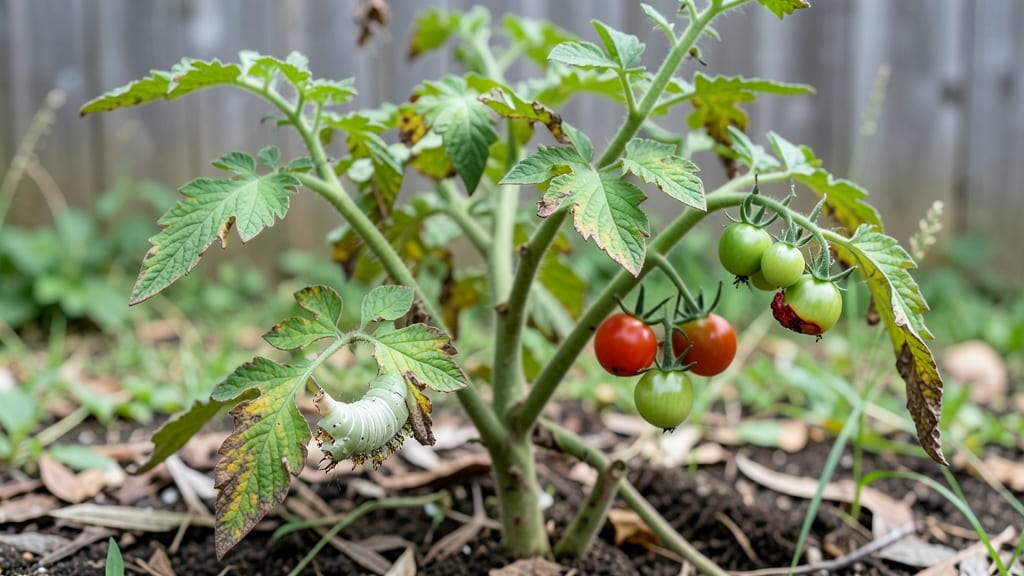
My garden tomatoes have faced every common problem—from blight-spotted leaves to skeletonized vines overnight—and I’ve learned which fixes actually work. 🌱 The good news? Most issues have simple solutions once you know what to look for, whether it’s wilting from heat stress or a hornworm feast.
Some problems, like early blight or aphid infestations, show up predictably, while others sneak in when soil’s too wet or plants get crowded. I’ll walk you through the top 10, including how to spot them early and stop them before they ruin your harvest.
No guesswork—just clear steps that’ve saved my plants (and my sanity).
You’ll leave knowing exactly how to treat yellowing leaves, cracked fruit, or stunted growth without expensive sprays. The key is catching issues fast—like removing affected leaves or introducing ladybugs before pests take over. Trust me, your next tomato season will be the easiest (and most productive) yet.
Works for backyard gardens, containers, or even balcony setups. Whether you’re dealing with fungal spots or overripe fruit dropping too soon, these fixes apply. Let’s get those plants thriving again—no more wasted effort or mystery problems.
Root Causes Of Tomato Troubles
Understanding why your garden tomatoes are underperforming starts with identifying the hidden triggers behind common issues. These problems rarely appear out of nowhere—they’re usually the result of environmental stress, biological attacks, or simple growing mistakes.
Let’s break down the science behind the most frequent tomato woes so you can address them at their source.
Tomatoes thrive in moderate warmth (70–85°F during the day, 55–65°F at night), but when temperatures swing too high or too low, their growth stalls—or worse, they shut down entirely.
- Heat Stress (Above 90°F):
- High temperatures disrupt pollination by slowing bee activity and causing flower drop.
- Leaves may scorch (brown edges) or develop sunburn spots (white/yellow patches).
- Why? Heat increases transpiration (water loss) faster than roots can absorb moisture, leading to wilting and fruit cracking as cells expand unevenly.
- Cold Stress (Below 50°F):
- Tomatoes are frost-sensitive—even light freezes can kill leaves and stunt fruit development.
- Blossom end rot (a calcium deficiency symptom) often flares up in cold snaps because calcium uptake slows in chilly soil.
- Why? Cold soil reduces root activity, limiting nutrient absorption while the plant’s energy goes toward survival instead of fruiting.
💡 Pro Tip: Use shade cloth in peak summer or row covers in spring to buffer temperature swings. Mulch with straw to keep roots cool and moist.
Tomatoes are thirsty but hate soggy feet—watering inconsistencies are a top cause of poor yields and disease.
- Underwatering:
- Leaves curl inward (a drought response to conserve moisture).
- Fruit may split open (from rapid water uptake after drought) or stay small and hard.
- Why? Uneven watering causes cell walls to expand unpredictably, leading to cracks or blossom end rot (calcium can’t move to growing fruit).
- Overwatering:
- Yellowing leaves (chlorosis) from root rot (Phytophthora or Fusarium).
- Fruit rots (like Alternaria or Blossom Rot) thrive in damp conditions.
- Why? Waterlogged soil cuts off oxygen, suffocating roots and inviting fungal pathogens. Overhead watering also spreads spores from soil to leaves.
💡 Pro Tip: Water deeply 1–2 times per week (1–1.5 inches per week) at the base of the plant, using drip irrigation or soaker hoses to keep foliage dry.
Tomatoes are a buffet for bugs and microbes, and even minor infestations can derail your harvest.
- Common Pests:
- Aphids, Spider Mites, or Whiteflies: Sap-sucking insects that distort leaves and spread viral diseases.
- Why? They inject toxins while feeding, stunting growth and weakening the plant’s defenses.
- Hornworms: Giant caterpillars that devour leaves and fruit overnight.
- Why? Their rapid digestion creates ammonia-rich frass (poop), which can burn plant tissue and attract more pests.
- Aphids, Spider Mites, or Whiteflies: Sap-sucking insects that distort leaves and spread viral diseases.
- Fungal Infections:
- Early Blight (Alternaria solani): Brown spots with concentric rings on lower leaves.
- Why? Fungal spores survive in soil and splash onto leaves during watering or rain, thriving in humid, warm conditions (75–85°F).
- Powdery Mildew (Leveillula taurica): White, powdery patches on leaves.
- Why? Fungi spread via wind and love poor air circulation, especially in dense plantings.
- Early Blight (Alternaria solani): Brown spots with concentric rings on lower leaves.
💡 Pro Tip: Rotate crops yearly to break disease cycles. Use neem oil (for pests) or copper fungicide (for early blight) preventively before symptoms appear.
Tomatoes are heavy feeders, and soil imbalances lead to yellow leaves, weak stems, or poor fruit quality.
- Nitrogen (N) Deficiency:
- Yellow lower leaves (oldest leaves first) but green veins.
- Why? Nitrogen fuels leafy growth—without it, the plant can’t produce chlorophyll, leading to stunted shoots and small fruit.
- Potassium (K) Deficiency:
- Brown leaf edges (like "scorched" tips) or weak stems.
- Why? Potassium regulates water and disease resistance—low levels cause cell membrane breakdown, leading to wilting and fruit splitting.
- Calcium (Ca) Deficiency:
- Blossom end rot (black, sunken spots on fruit) or weak stems.
- Why? Calcium can’t move upward in the plant—it’s immobile in water. Poor soil drainage or fluctuating moisture blocks uptake.
💡 Pro Tip: Test your soil (DIY kits work!) and amend with:
- Compost (for organic matter)
- Banana peels (potassium)
- Crushed eggshells (calcium)
- Balanced fertilizer (10-10-10 or 5-10-10) every 3–4 weeks.
Even with perfect growing conditions, no fruit? Blame failed pollination.
- Why It Happens:
- No Bees? Tomatoes are self-pollinating, but vibration from wind or bees helps pollen move.
- High Heat (>90°F): Flowers drop before pollination (a survival trick to conserve energy).
- Over-Fertilizing with Nitrogen: Leads to too many leaves, not enough flowers.
💡 Pro Tip: Gently shake plants in the morning (when flowers are open) to aid pollination. Or hand-pollinate with a small brush if bees are scarce.
🔍 Key Takeaway: Most tomato problems stem from one (or more!) of these root causes—temperature stress, water mismanagement, pests, nutrient gaps, or pollination failures. Fix the cause, not just the symptom, and your plants will bounce back faster!
Fixing common tomato garden troubles
Now that you’ve identified the issue plaguing your tomato plants, it’s time to roll up your sleeves and get them back on track! The good news? Most tomato problems have straightforward fixes—whether it’s a quick spray, a soil tweak, or a little extra TLC.
Below, we’ve mapped out practical, step-by-step solutions for each problem, plus prevention tips to keep your garden thriving. Let’s turn those woes into wins!
Fix it fast:
- 💧 Water wisely – Keep soil consistently moist (but not soggy). Use drip irrigation or soaker hoses to deliver water directly to the roots, avoiding sudden dry spells.
- 🧂 Boost calcium – Sprinkle crushed eggshells or calcium-rich compost around the base of the plant. For a quicker fix, mix 1 tablespoon of calcium chloride or gypsum per gallon of water and water the soil (not the leaves).
- 🌱 Mulch like a pro – Apply 2–3 inches of organic mulch (straw or grass clippings) to retain moisture and prevent calcium leaching.
Prevent future rot:
- Test your soil – Aim for a pH of 6.0–6.8 (tomatoes love slightly acidic soil).
- Fertilize smartly – Use a balanced fertilizer (10-10-10) or one high in calcium (like bone meal) every 3–4 weeks.
- Avoid overwatering – Blossom end rot thrives on inconsistent moisture.
Kick them to the curb:
- 🕷️ Handpick & hose – Early morning is prime time! Gently pluck off aphids, hornworms, or whiteflies with a spray of soapy water (1 tsp mild dish soap + 1 quart water).
- 🌿 Natural predators – Introduce ladybugs, lacewings, or parasitic wasps (buy online or attract them with companion plants like basil or marigolds).
- 🧴 Organic sprays – Mix neem oil (1 tsp + 1 tsp soap per quart of water) or garlic spray (blend 2 garlic cloves + 1 quart water, strain, and spray) for a non-toxic knockdown.
Stop pests before they start:
- 🌱 Plant smart – Interplant tomatoes with basil, onions, or garlic to repel pests.
- 🕸️ Use row covers – Lightweight fabric shields protect young plants from flying insects.
- 🌙 Inspect daily – Catch infestations early by checking undersides of leaves and stems.
Fight back with these steps:
- 🌬️ Improve airflow – Prune suckers and lower leaves to let sunlight and air circulate. Space plants 18–24 inches apart.
- 💦 Water at the roots – Avoid overhead watering (use a watering wand or drip system). Water early in the day so foliage dries quickly.
- 🍄 Fungicide fix – Spray with baking soda solution (1 tbsp baking soda + 1 quart water + a drop of soap) every 7–10 days for powdery mildew. For blight, use copper fungicide (follow label instructions).
Prevent fungal takeovers:
- 🌱 Rotate crops – Don’t plant tomatoes in the same spot year after year.
- 🔥 Sterilize tools – Clean pruners with rubbing alcohol between plants.
- 🌿 Choose resistant varieties – Try ‘Mountain Merit’ or ‘Celebrity’ tomatoes, bred to fight disease.
Diagnose & remedy:
| Symptom | Cause | Solution |
|---|---|---|
| Yellow lower leaves | Nitrogen deficiency | Feed with fish emulsion or compost tea every 2 weeks. |
| Yellow edges (crispy) | Overwatering or salt buildup | Let soil dry slightly between waterings; flush soil with plain water. |
| Yellow with brown spots | Magnesium deficiency | Sprinkle Epsom salt (1 tbsp per foot of plant) around the base. |
| Yellow veins | Viral disease | Remove infected plants immediately to prevent spread. |
Keep leaves lush:
- 🌱 Test soil – Use a DIY kit to check for deficiencies before symptoms appear.
- 💧 Water deeply but less often – Aim for 1–1.5 inches per week (adjust for rain).
- 🍃 Balance fertilizers – Alternate between nitrogen (early growth) and potassium/phosphorus (flowering/fruiting).
Cool them down:
- 🌞 Provide shade – Use shade cloth (30–50%) during peak afternoon sun (1–4 PM).
- 💦 Mulch heavily – Straw or wood chips keep roots cool and retain moisture.
- 🍅 Harvest strategically – Pick ripe tomatoes early to reduce stress on the plant.
Beat the heat proactively:
- 🌱 Choose heat-tolerant varieties – Try ‘Solar Fire,’ ‘Heatmaster,’ or ‘Arkansas Traveler.’
- 🌿 Drip irrigation only – Avoid evaporative loss and leaf burn.
- 🌱 Succession plant – Start new plants every 2 weeks for a continuous harvest.
Revive their vigor:
- 🌱 Prune aggressively – Remove suckers (side shoots) and lower leaves to redirect energy to fruit production.
- ☀️ Stake or cage – Support plants with tomato cages or bamboo stakes to prevent sprawling.
- 💪 Fertilize for growth – Switch to a low-nitrogen, high-phosphorus fertilizer (like 5-10-10) to encourage flowering.
Prevent weak starts:
- 🌱 Start strong – Use transplants (not seeds) if your season is short.
- 🌱 Harden off seedlings – Acclimate them to outdoor conditions gradually over 1–2 weeks.
- 🌿 Avoid overcrowding – Give each plant enough space (18–24 inches apart).
Fix & prevent splits:
- 💧 Water consistently – Use drip irrigation to deliver steady moisture (no feast-or-famine watering).
- 🍅 Harvest early – Pick tomatoes when they’re 75% ripe to avoid overgrowth.
- 🌱 Choose uniform varieties – Cherry tomatoes (like ‘Sweet 100’) split less than large beefsteaks.
Prevention tips:
- 🌱 Mulch heavily – 4+ inches of mulch keeps soil moisture even.
- 🌧️ Watch the forecast – If rain is predicted, cover plants with shade cloth to slow growth.
- 🍅 Prune aggressively – Remove lower leaves to reduce water stress on the fruit.
Track what works (and what doesn’t) by noting: ✅ When you planted & fertilized ✅ Pests/diseases spotted & treatments used ✅ Weather patterns (heatwaves, droughts) This way, you’ll spot problems faster next season—and enjoy bigger, healthier tomatoes with minimal stress!
Remember: The key to happy tomatoes is consistency—whether it’s water, food, or airflow. With these fixes, your plants will bounce back stronger than ever, and you’ll be feasting on homegrown, problem-free tomatoes in no time! 🍅✨
Frequently asked questions about garden tomato issues
Why are my tomato leaves turning yellow?
Yellowing leaves usually signal nutrient deficiencies or overwatering. Check for yellowing between veins (nitrogen deficiency) or brown crispy edges (potassium deficiency). Overwatering causes yellowing with soggy roots—let soil dry slightly between waterings. Test soil pH too; tomatoes prefer 6.0–6.8.
How do I stop blossom end rot on my tomatoes?
Blossom end rot is caused by calcium deficiency from uneven watering. Fix it by watering deeply 1–2 times weekly (1–1.5 inches) and adding crushed eggshells or gypsum to soil. Mulch with straw to maintain moisture. For quick relief, water with a calcium solution (1 tbsp calcium chloride per gallon).
What should I do if my tomato plants have white powdery spots?
That’s powdery mildew, a fungal disease. Prune infected leaves immediately and improve airflow by spacing plants 18–24 inches apart. Spray with a baking soda mix (1 tbsp baking soda + 1 quart water + soap) every 7–10 days. For severe cases, use neem oil or copper fungicide. Avoid overhead watering.
Why aren’t my tomato plants producing fruit?
No fruit often means failed pollination or environmental stress. If temps exceed 90°F, flowers drop before pollinating—use shade cloth in afternoons. Hand-pollinate by gently shaking plants or brushing flowers with a small brush. Also check for over-fertilizing with nitrogen, which promotes leaves over fruit.
Can I save tomatoes that are splitting open?
Splitting happens from uneven watering—too much after drought. Pick split tomatoes early (when 75% ripe) to prevent further damage. For prevention, water consistently with drip irrigation and mulch heavily (4+ inches). Choose cherry tomato varieties like ‘Sweet 100’—they split less than large tomatoes.