
Vegetables
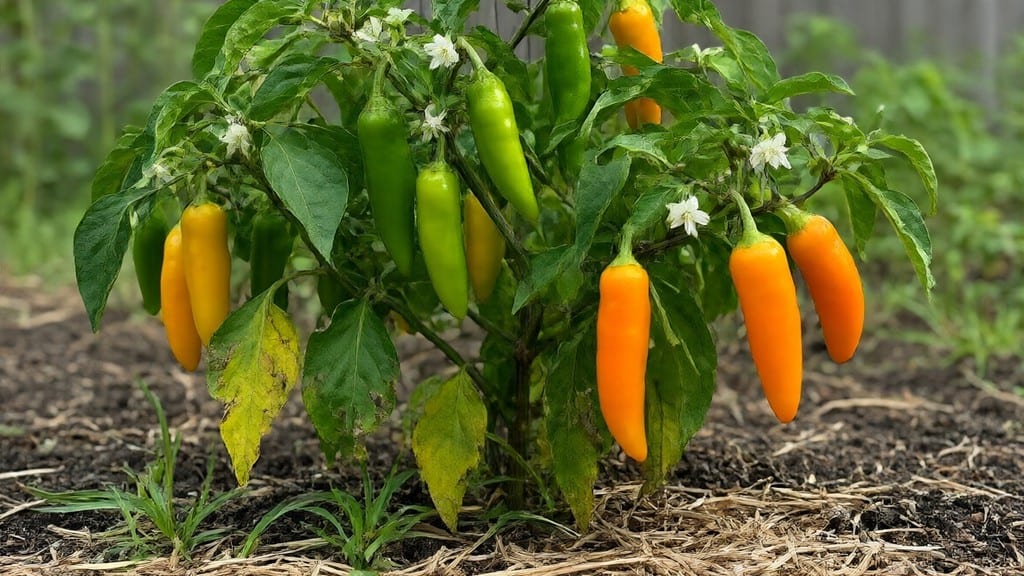
Growing a garden salsa hybrid pepper 🌶️ means turning your backyard into a spice factory—one that delivers heat levels perfect for homemade salsas that taste like they came from a Mexican street stall.
If you crave fiery flavors but want a pepper that’s as versatile as it is spicy, this hybrid could be your next garden superstar.
It packs enough heat to transform ordinary salsas into bold, restaurant-quality dishes—but with a twist: its flavor is complex enough to stand up to tomatoes, onions, and fresh cilantro.
Here’s the best part: it thrives in USDA Zone 6a and beyond, with a planting window that starts as early as April.
That means you can go from seed to harvest in just 75 days, giving you a summer full of peppers ready to turn into salsa, pickles, or even spicy sauces.
Below, I’ll walk you through everything—from planting tips to care tricks—that’ll help you grow a bumper crop. No green thumb required, just a little patience and the right technique.
Garden Salsa Hybrid pepper heat levels: scoville scale breakdown and flavor profiles
The Garden Salsa Hybrid Pepper delivers a bold heat range between 10,000–50,000 Scoville Heat Units (SHU), making it a perfect bridge between mild and fiery peppers. This range gives you the flexibility to create everything from tangy salsas to spicy hot sauces without overwhelming your palate.
Understanding its heat profile helps you control spice levels in your dishes—whether you're a beginner or a seasoned gardener.
What sets this pepper apart is its versatility in heat intensity. Unlike jalapeños (2,500–8,000 SHU) or serranos (10,000–23,000 SHU), the Garden Salsa Hybrid offers a wider heat spectrum, allowing you to harvest peppers at different stages for varying spice levels.
Early peppers tend to be milder, while fully mature ones pack serious heat. This adaptability makes it ideal for experimenting with flavors in your kitchen.
The Garden Salsa Hybrid’s heat isn’t just about spice—it’s about complexity. Peppers with lower SHU values (closer to 10,000) offer a bright, citrusy kick, perfect for fresh salsas or quick pickling.
As the heat climbs toward 50,000 SHU, the flavor deepens with smoky, almost fruity undertones, ideal for fermented hot sauces or slow-cooked dishes. This duality lets you harvest at different stages to tailor spice levels to your recipe.
To balance the heat in your dishes, start by removing seeds and membranes—where most capsaicin (the compound responsible for heat) resides. For a milder salsa, use younger peppers (closer to 10,000 SHU) and pair them with acidic ingredients like lime or vinegar, which neutralize capsaicin’s burn.
If you love fiery flavors, let peppers mature fully and blend them with dairy (like sour cream or cheese) to soothe the palate.
Another pro tip: Freeze peppers before using them in recipes. This reduces heat intensity by breaking down capsaicin, making them easier to handle. I’ve found that blanching and peeling mature peppers before blending them into hot sauces also softens the heat while concentrating their bold flavors.
Experiment with roasting for a sweeter, smokier profile—this works especially well with fully ripe peppers.
If you’re new to growing spicy peppers, start with one or two plants to gauge your tolerance. The Garden Salsa Hybrid is forgiving enough to let you learn as you grow, but its heat range means you’ll need to respect its power.
Wear gloves when handling mature peppers, and avoid touching your face—trust me, the capsaicin sting is no joke! 🌶️
For advanced gardeners, try cross-pollinating with other peppers to create custom heat levels. For example, pairing it with a bell pepper (0 SHU) can produce milder hybrids, while crossing it with a habanero (100,000–350,000 SHU) could yield next-level heat.
Just remember: pollination is unpredictable, so save seeds from your best-tasting peppers for future experiments.
When storing harvested peppers, keep them in a cool, dark place (like a pantry) for up to 2 weeks. For long-term storage, ferment them in brine or dry them in a dehydrator. Dried peppers retain intense heat, so use them sparingly in stews or rubs.
If you’re preserving for salsa, blanch and freeze peppers in ice cube trays—this makes it easy to add heat in small doses to future batches.
Ultimately, the Garden Salsa Hybrid Pepper is a game-changer for home gardeners who want control over their spice levels. Whether you’re dialing down the heat for family-friendly dishes or amplifying it for bold flavors, this pepper delivers consistency and versatility.
Once you taste the difference between a fresh, early harvest and a fully mature pepper, you’ll never look at salsa the same way again! 🌱
Step-by-step planting guide: from seed to harvest for maximum yield
Growing the Garden Salsa Hybrid Pepper to its full spicy potential starts with the right conditions. This pepper thrives in warmth and sunlight, but even the sunniest spot won’t guarantee bold flavors without proper prep.
I’ve learned that soil pH, spacing, and timing are the secret ingredients to unlocking that restaurant-quality heat in your harvest.
Unlike milder peppers, the Garden Salsa Hybrid demands attention to detail—especially when it comes to pruning techniques that concentrate heat. By following these steps, you’ll create an environment where every pepper packs maximum punch.
Let’s dive into the exact process I use to grow peppers that turn my salsa into a crowd-pleaser.
🌱 Step-by-Step Planting Process
-
Step 1: Start Indoors 8-10 Weeks Before Last Frost
Sow seeds in seedling trays with well-draining soil (pH 6.0-6.8). Keep soil warm (70-80°F) using a heat mat for faster germination.
-
Step 2: Transplant Seedlings After Frost
Move seedlings outdoors after last frost when soil is at least 60°F. Harden off plants by exposing them to outdoor conditions gradually (3-5 days).
-
Step 3: Prepare Full-Sun Beds
Choose a south-facing spot with 6-8+ hours of sunlight. Amend soil with compost and balanced fertilizer (10-10-10). Space plants 18-24 inches apart for airflow.
-
Step 4: Water Deeply and Consistently
Water morning-only to prevent fungal diseases. Aim for 1-2 inches of water weekly, soaking the root zone deeply. Avoid wetting leaves.
-
Step 5: Prune for Heat Concentration
Remove lower leaves to improve airflow and prune suckers (side shoots) to direct energy to fruit production. This boosts capsaicin levels in remaining peppers.
-
Step 6: Fertilize Mid-Season
Apply balanced fertilizer every 4-6 weeks starting at transplant. Switch to low-nitrogen fertilizer (e.g., 5-10-10) when peppers begin forming to enhance flavor.
-
Step 7: Harvest at Peak Ripeness
Pick peppers when firm, glossy, and fully colored. Use pruning shears to avoid damaging plants. Harvest regularly to encourage more production.
One trick I’ve found works wonders is mulching around plants with straw or grass clippings. This keeps soil moist and cool, which is especially critical during hot summer months when peppers can bolt or develop bitter flavors. The mulch also suppresses weeds, reducing competition for nutrients.
For maximum heat concentration, I avoid over-fertilizing with nitrogen late in the season. Too much nitrogen shifts energy toward leafy growth instead of pepper development. Instead, I switch to a phosphorus-heavy fertilizer (like 5-10-5) once flowers appear. This ensures the plant focuses on fruit maturation rather than foliage.
If your Garden Salsa Hybrid Peppers start showing signs of stress—like yellowing leaves or blossom end rot—don’t panic. Adjust your care by watering more consistently or adding calcium-rich amendments (like crushed eggshells) to the soil.
These peppers are forgiving but reward precision with bold, fiery flavors that make every bite worth the effort.