
Size
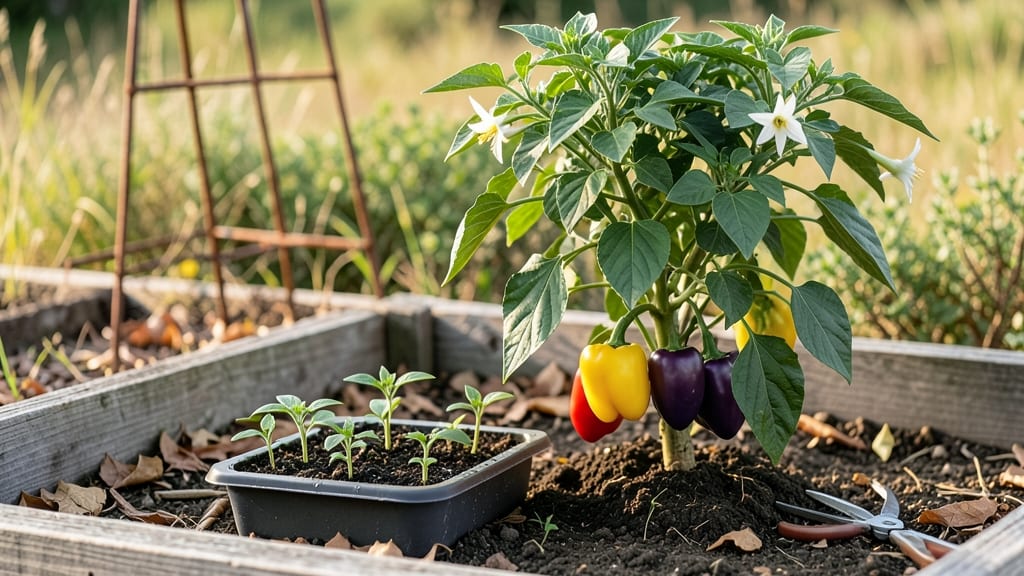
Transform your garden into a vibrant patch of flavor by starting with a single bell pepper seed in grow a garden, where patience and the right tricks unlock bold harvests.
I’ve learned that the difference between wilted seedlings and sturdy plants often comes down to how you kickstart germination—especially when dealing with finicky bell pepper seeds. The secret isn’t just waiting for sprouts; it’s creating the perfect cozy environment to wake them up faster.
You’ll need just a few simple supplies: seed-starting mix, small pots or a tray, plastic wrap, and a warm spot near a sunny window or grow light. Bell peppers love warmth, so keeping the soil between 75–85°F is key.
I’ve found that pre-soaking seeds overnight and covering them with damp paper towels for 24 hours speeds things up—sometimes you’ll see tiny sprouts in just 5–7 days instead of weeks.
Once those first green leaves appear, you’ll want to move them to individual pots and keep the soil consistently moist but not soggy. Within 8–10 weeks, you’ll have transplants ready to harden off and plant outside—just in time for a summer full of sweet, glossy peppers.
The payoff? A garden bursting with colors like ‘California Wonder’ reds or ‘Jupiter’ yellows, all grown from seeds you nurtured yourself.
This method works for any variety, whether you’re growing in containers or a backyard plot. The real magic happens when you adjust for your climate—just be sure to wait until after the last frost before planting outdoors. Now, let’s get those seeds sprouting!
📚 In This Guide
- What you need
- Instructions
- Tips and common mistakes
- Wrapping up and next steps
What you need
- ● Bell pepper seeds: Choose heirloom, hybrid, or organic seeds (e.g., California Wonder, Jupiter, or Sweet Banana). Buy 5–10 seeds for a small garden or 20+ for larger yields.
- ● Seed-starting mix: 2–3 quarts of sterile, peat-free potting soil (avoid garden soil—it’s too dense!).
- ● Containers: Seed trays or cell packs (biodegradable or plastic, 50+ cells for 10+ seeds).
- ● OR small pots (2–3 inches deep, 3–5 units).
- ● Grow lights or sunny windowsill: A 12–16 inch LED grow light (for indoor starts) or a south-facing window (if natural light is strong).
- ○ Heat mat (optional but helpful): 1–2 square feet of a seedling heat mat (70–80°F range) to speed germination.
- ● Spray bottle (for gentle watering).
- ● Plant labels & marker (to track varieties).
- ● Fertilizer: Balanced liquid fertilizer (e.g., 10-10-10) or fish emulsion (diluted to half-strength).
- ○ Misting fan (optional): Improves air circulation for disease prevention.
- ● Transplanting pots (later stage): 4–6 inch pots (when seedlings are 2–3 inches tall).
- ● Warmth: Bell peppers love heat—ideal germination temps are 70–85°F. Use a heat mat or start seeds indoors 8–10 weeks before last frost.
- ● Patience: Germination takes 7–21 days (depending on variety and conditions).
- ● Sunlight: 6+ hours of direct light daily after sprouting.
How to germinate bell pepper seeds fast for a thriving garden
Here’s my foolproof method for coaxing stubborn bell pepper seeds to sprout quickly and grow into sturdy plants.
Pre-Soak Seeds for Faster Germination
Bell pepper seeds have thick outer shells that slow germination. To speed things up, soak them overnight in a bowl of lukewarm water. I use a shallow dish so they don’t sink to the bottom and stay submerged. After 12 hours, drain the water and let the seeds sit for another hour to dry slightly—they’ll be plump and ready to plant.
This step cuts germination time in half. Without soaking, seeds can take 2-3 weeks to sprout, but soaked seeds often emerge in 5-7 days. Just don’t over-soak—they’ll start to rot if left in water beyond 14 hours.
Use Warmth to Kickstart Growth
Bell peppers thrive in warm soil, so place your seed-starting mix in a heated propagator or on a seedling heat mat set to 80-85°F. If you don’t have a heat source, set the tray on top of your fridge—it stays consistently warm. Keep the soil moist but not soggy, as dampness without warmth will lead to mold instead of sprouts.
Cover the tray with plastic wrap to trap heat and humidity, but remove it as soon as you see the first signs of sprouting—usually within 3-5 days. Too much trapped moisture after germination can cause damping-off, a fungal disease that kills seedlings overnight.
Plant Seeds at the Right Depth and Light
Fill your seed trays with moistened seed-starting mix and press it down lightly to remove air pockets. Plant the soaked seeds ½ inch deep, spacing them 1 inch apart in each cell. Press gently but firmly—this ensures good soil contact for root development. Label the tray with the variety and planting date, because bell pepper seedlings look identical at first.
Place the tray under a grow light (or near a south-facing window) immediately after planting. Bell pepper seeds need 14-16 hours of light daily to prevent leggy growth. Without enough light, seedlings stretch toward the source, becoming weak and prone to falling over.
Maintain Consistent Moisture Without Overwatering
Water the seedlings gently from the bottom by placing the tray in ½ inch of water for 10-15 minutes. This method keeps the soil evenly moist without disturbing the seeds. After watering, let the tray sit for another 10 minutes to allow excess water to drain completely—soggy soil suffocates roots and invites rot.
Check the soil daily by pressing your finger ½ inch deep. If it feels dry, water again. If it’s still damp, wait another day. Overwatering is the #1 killer of young seedlings, so err on the side of slightly dry rather than too wet.
Thin Seedlings and Harden Off Before Transplanting
Once seedlings develop 2-3 true leaves (the second set of leaves after the initial cotyledons), thin them so only the strongest remains in each cell. Use scissors to snip unwanted seedlings at soil level—this prevents disturbing the roots of the plants you’re keeping. Transplant the remaining seedlings into 3-inch pots filled with fresh seed-starting mix.
Two weeks before your last frost date, begin hardening off the seedlings by placing them outside in a shaded, sheltered spot for 1 hour the first day. Gradually increase their outdoor time over 10-14 days, ending with a full day in direct sunlight. This slow adjustment prevents shock and ensures they’re ready for the garden.
Tips & tricks for speed-germinating bell pepper seeds
These little tricks have helped me turn stubborn bell pepper seeds into thriving plants—let me share what I’ve learned the hard way.
Soaking Secret: When you soak those seeds for 12 hours, use a paper towel to blot them dry after draining. This prevents them from sticking together and ensures each seed gets planted individually. I’ve found that a single layer of damp paper towel works best—just fold it so the seeds aren’t touching, then place it between two plates for easy handling. This step alone cuts my germination time from weeks to days.
Warmth Hack: The 80-85°F range is critical, but don’t worry if you can’t hit that exact temp. I’ve had great success using a simple seedling heat mat under my seed trays—even a warm spot on top of my fridge works in a pinch. What matters most is consistency. If your home runs cool, consider placing the tray near a sunny window during the day and moving it to a warmer spot at night. Just avoid sudden temperature swings, which can shock the seeds.
Lighting Strategy: Those 14-16 hours of light don’t have to come from a fancy grow light. I started with a simple LED shop light on a timer—it’s affordable and does the job. Position it just a few inches above the seedlings. If you notice them stretching toward the light (called legginess), that’s your cue to either lower the light or increase the hours slightly. Remember, bell peppers need plenty of light to develop strong stems that can support those heavy peppers later.
Moisture Management: The 10-15 minute watering method works wonders, but here’s a pro move: use room temperature water. Cold water can shock the delicate roots. Also, I’ve found that a spray bottle with a fine mist works well for spot-watering if you notice one area drying out faster than others. The key is to keep the soil consistently moist—not soggy, not bone dry—just like a wrung-out sponge.
Pro Tips for Bell Pepper Seed In Grow A Garden
- These little tricks have helped me turn stubborn bell pepper seeds into thriving plants—let me share what I’ve learned the hard way.
- Soaking Secret: When you soak those seeds for 12 hours, use a paper towel to blot them dry after draining.
- Warmth Hack: The 80-85°F range is critical, but don’t worry if you can’t hit that exact temp.
Frequently asked questions
Got questions about growing bell peppers from seed?
You’re not alone! Here are some of the most common queries—plus quick, actionable answers to help you crush your garden goals.
How long does it take for bell pepper seeds to germinate?
Most bell pepper seeds sprout in 7–21 days, but with speed-germination tricks (like soaking seeds in warm water for 24 hours), you can see sprouts in 5–10 days. Patience is key—consistent warmth (70–85°F) and moisture are your best friends.
Can I plant bell pepper seeds directly in the garden, or should I start indoors first?
For cooler climates, start seeds indoors 8–10 weeks before the last frost—bell peppers are frost-sensitive! In warm zones (zones 9–11), you can direct-sow after soil temps hit 60°F+. Just cover seeds lightly with soil (¼ inch deep) and keep them moist.
Why aren’t my bell pepper seeds sprouting? Troubleshooting tips!
No sprouts? Check these fixes:
- Cold soil/seeds: Use a seedling heat mat (70–85°F is ideal).
- Old or low-quality seeds: Test viability by soaking in water—sinkers are good!
- Over/under-watering: Keep soil consistently damp (not soggy).
- Poor soil: Mix in compost or a seed-starting mix for better drainage.
What’s the best companion plant for bell peppers in the garden?
Bell peppers thrive with:
- Basil, marigolds, or onions (repel pests like aphids).
- Spinach or lettuce (shade-tolerant under pepper plants).
How do I know when bell pepper seeds are ready to transplant?
Seedlings are ready when they have 2–3 true leaves (not just the initial seed leaves) and are 3–4 inches tall. Harden them off for 5–7 days before transplanting (acclimate to outdoor temps gradually). Choose a cloudy day to reduce transplant shock.
Wrapping up and next steps
Growing bell peppers from seed is a rewarding journey—one that starts with patience and ends with a vibrant, flavorful harvest! By mastering speed-germination tricks like soaking seeds, using heat mats, and maintaining ideal moisture, you’ll give your peppers the best possible start.
Whether you’re a beginner or a seasoned gardener, these tips will help you boldly boost your success rate and enjoy fresh, homegrown peppers in no time.
Ready to take the next step? Start your seeds indoors now—your future harvest (and taste buds!) will thank you. 🌱🍃