
Landscaping
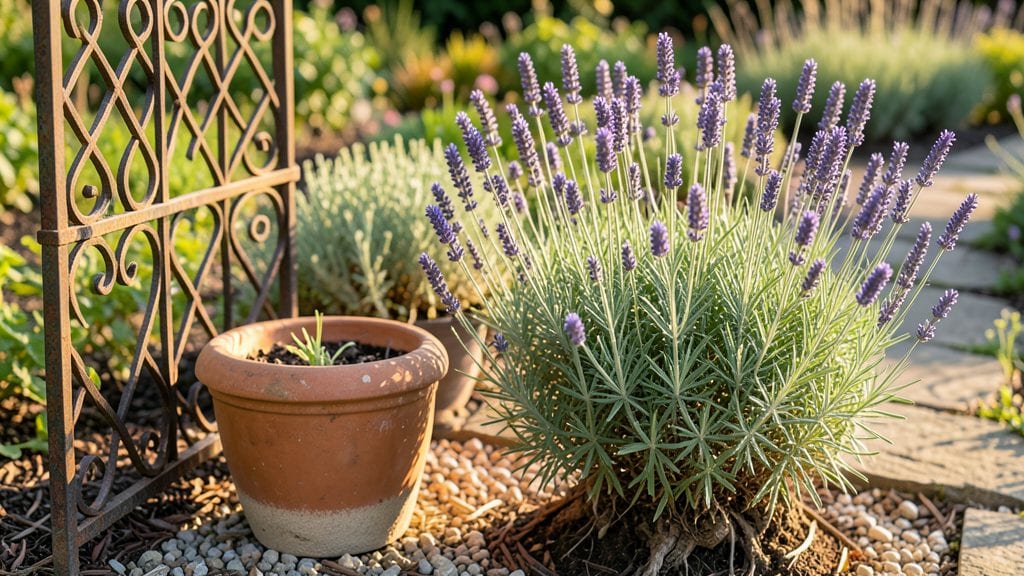
Creating a garden decor style that feels like stepping into a storybook is easier than you think. My first whimsical garden started with mismatched vintage teacups and a single wrought-iron birdcage—now it’s the envy of the neighborhood.
The magic lies in blending playful touches with practical elements that actually work for daily life, like durable seating that doubles as planters or lighting that casts a warm glow without being obnoxious.
You don’t need a sprawling backyard to pull this off—even a small balcony or front yard can shine with the right mix of textures and colors. Think weather-resistant wicker furniture, terracotta pots in varying sizes, and a pathway lined with solar-powered lanterns.
The key is layering: combine oversized blooms like hydrangeas with delicate ferns, and add hand-painted signs or wind chimes to create that "lived-in" charm. It’s all about balancing whimsy with functionality so your space feels inviting, not just decorative.
What you’ll end up with is a garden that tells a story—one where every element has purpose, from the climbing roses framing a trellis to the cozy hammock tucked under a shade tree.
The colors pop without being overwhelming: dusty blues, soft pinks, and sage greens create a soothing palette that works year-round. And the best part? Your garden will feel like a retreat, not just a backdrop. Ready to mix charm with practicality?
Works for any size space, from urban balconies to sprawling country yards. The secret is starting small—maybe one statement piece—and building from there. Let’s make your outdoor space as functional as it is enchanting.
📚 In This Guide
- What you need
- Instructions
- Tips and common mistakes
- Wrapping up and next steps
What you need
- ● Base Structures: 1–2 terracotta pots (8–12" diameter) or wooden planters (for fairy or succulent gardens)
- ● 1 garden trellis (4–6 ft tall, metal or wood) or macramé hangers (for boho vibes)
- ● 1–2 stone slabs or stepping stones (for pathways or seating)
- ● Decorative Elements: Assorted pebbles/moss (for ground cover, 5–10 lbs)
- ● 3–5 miniature garden ornaments (e.g., mushroom stools, wind chimes, or ceramic figurines)
- ● 1–2 fairy lights (solar-powered or battery-operated, 50–100 LED)
- ● 1 weather-resistant rug (outdoor-grade, 3x5 ft)
- ● Tools: Hand trowel & pruners
- ● Measuring tape & level
- ● Drill (for trellis/rug installation)
- ● Outdoor paint or stain (if customizing wood/metal)
- ● DIY touches: Painted rocks, upcycled teacups, or driftwood sculptures
- ● Plants: Succulents, ferns, or creeping thyme (low-maintenance & lush)
- ● Seating: Adirondack chair or hanging egg chair
- ● Scented accents: Citronella candles or lavender sachets
Instructions for creating a whimsical yet functional garden decor style
Transform your outdoor space into a charming retreat that balances playful touches with practical beauty.
Define Your Garden’s Core Theme and Color Palette
Start by choosing a cohesive theme—whether it’s cottagecore with mismatched teacups, a fairy garden with delicate glass ornaments, or a rustic retreat with weathered wood accents. I like to sketch a simple mood board first, mixing textures like wrought iron, ceramic, and natural stone. Pick 3-5 dominant colors from your home’s exterior or favorite florals to create harmony. For example, soft blues and whites evoke a coastal vibe, while sage greens and terracotta lean rustic.
Next, gather reference photos of gardens you love. Notice how they layer decor—like hanging baskets paired with vintage lanterns. This helps you visualize how elements will work together in your space. Keep your palette simple; too many colors create visual clutter. I always test paint samples on a small section of a fence or pot first to see how they look in natural light.
Select Statement Pieces That Anchor the Space
Choose 1-2 large-scale decor items to serve as focal points, like a vintage birdbath, a hand-painted garden arch, or a repurposed door as a planter. These pieces should reflect your theme while also being functional—think seating, storage, or water features. For instance, a whimsical sundial can double as a conversation starter, while a trellis with climbing roses adds both beauty and structure.
Measure your garden’s key areas before shopping. A 6-foot-tall arch might overwhelm a small patio, while a 3-foot-tall obelisk could get lost in a large yard. Place your statement piece in the center of the space first, then arrange smaller decor around it. This ensures everything feels intentional, not random. I often use painter’s tape to outline where larger items will sit before committing to placement.
Layer Decor with Textures and Heights
Add depth by mixing decor at different heights—place taller items like 4-foot-tall urns near the back, mid-height pieces like 2-foot-tall pots in the middle, and smaller accents like wind chimes or garden markers at eye level. Incorporate textures like woven baskets, hammered metal, or smooth river stones to create visual interest. For example, a galvanized metal trough filled with herbs adds rustic charm while serving a practical purpose.
Don’t forget vertical space! Hang wall-mounted planters, baskets, or solar-powered string lights to draw the eye upward. If your garden has a fence or wall, attach peg rail shelves to display small decor like ceramic figurines or vintage tools. The key is to avoid overcrowding—leave 12-18 inches of space between items so each piece stands out. I like to step back every few feet while arranging to check for balance.
Incorporate Functional and Playful Elements
Blend decor with everyday garden needs, like a weather-resistant bench with built-in storage for gardening tools or a colorful outdoor rug that defines a seating area. Add playful touches such as glowing solar stakes, whimsical garden gnomes, or hand-painted stepping stones to guide paths. For example, a vintage teapot planter can hold trailing flowers while doubling as a charming accent. These elements keep the space both practical and delightful.
Lighting is another functional yet decorative must. Use solar-powered path lights to highlight walkways and string lights to create a cozy ambiance in the evenings. Place lights at ground level to outline garden beds and at mid-height to illuminate seating areas. I always test lights during dusk to ensure they cast enough glow without creating harsh shadows. Battery-operated options are easiest for temporary setups.
Add Personal Touches and Seasonal Updates
Customize your space with handmade or DIY elements, like painted rocks with motivational quotes, upcycled bottle planters, or family photos in waterproof frames. These personal touches make your garden uniquely yours. For seasonal changes, swap out decor like fall pumpkins for winter wreaths or spring bunting for summer citrus accents. Even small swaps keep the space feeling fresh and intentional.
Finally, rotate decor occasionally to prevent stagnation. Move a large pot from the patio to the porch or swap out throw pillows on outdoor chairs every few months. This keeps the eye engaged and lets you enjoy different aspects of your garden throughout the year. I like to take photos of my garden every season to track what works and what might need updating.
Tips & tricks for perfect garden decor style
A few simple strategies will help you create a cohesive, visually stunning garden that feels intentional and inviting.
Theme Consistency is Key: When selecting your core theme in Step 1, I recommend creating a small physical mood board with fabric swatches, paint samples, and photos of your chosen decor pieces. This visual reference helps you spot color clashes or texture conflicts before you buy anything. For example, if you're going for cottagecore, gather actual vintage teacups or ceramic pieces to see how they harmonize with your color palette in natural light.
Scale Matters More Than You Think: In Step 2, measuring your space before purchasing statement pieces can save you from costly mistakes. I've seen beautiful 6-foot-tall arches look out of place on small patios—always visualize the piece in context. Pro tip: Use painter's tape to create temporary outlines of your decor on the ground before committing to placement. This helps you see how the scale will work with your existing space and other elements.
Layer Like a Pro: For Step 3, think vertically first! Before placing anything on the ground, identify your tallest elements (like that 4-foot urn) and work backwards. I like to use the "thirds rule" for height distribution: place one-third of decor at ground level, one-third at mid-height, and one-third at eye level or above. This creates natural visual flow and prevents your garden from feeling flat or cluttered.
Functional Decor Should Work Hard: When incorporating playful elements in Step 4, always consider their dual purpose. That whimsical garden gnome can double as a plant marker, while a vintage teapot planter serves both aesthetic and practical needs. I keep a "function first" checklist: Can this piece hold something? Does it provide seating? Can it store tools? The more it does, the more intentional your garden will feel.
Pro Tips for Garden Decor Style
- A few simple strategies will help you create a cohesive, visually stunning garden that feels intentional and inviting.
- Theme Consistency is Key: When selecting your core theme in Step 1, I recommend creating a small physical mood board with fabric swatches, paint samples, and photos of your chosen decor pieces.
- Scale Matters More Than You Think: In Step 2, measuring your space before purchasing statement pieces can save you from costly mistakes.
Frequently asked questions
Got questions about blending whimsical charm with functional garden decor? You’re not alone! Here are some of the most common queries—and straightforward answers—to help you create a space that’s as practical as it is picturesque.
What’s the best way to balance whimsy with functionality in garden decor?
Start by prioritizing multi-use pieces—like a mosaic-topped bench that doubles as seating and a conversation starter, or trellises that support climbing plants and display art. Keep pathways clear, and opt for decor that’s durable (think weather-resistant metals or UV-stable ceramics). Whimsy works best when it enhances, not hinders, daily garden life!
How long does it take to style a garden with a cohesive decor theme?
That depends on your vision! A small-scale project (like adding a few statement planters or hanging lights) can take a weekend. A full overhaul—new pathways, custom sculptures, or integrated seating—might span a season, especially if you’re DIY-ing. Pro tip: Plan in phases—start with high-impact, low-effort pieces (like colorful pots or wind chimes) to build momentum.
Are there budget-friendly alternatives to expensive garden decor?
Thrift stores, flea markets, and even repurposed household items (old ladders as plant stands, wine bottles as lanterns) can add charm for pennies. DIY projects—like painting terracotta pots or crafting birdhouses—are cost-effective and customizable. Look for sales on seasonal decor (e.g., summer wind chimes in fall) to stretch your budget further.
How do I protect garden decor from harsh weather?
Prevention is key! Store delicate items (like fabric banners or wooden signs) indoors during storms. For outdoor pieces, choose weather-resistant materials (galvanized metal, resin, or treated wood). Elevate decor off the ground (use stands or raised planters) to avoid moisture damage. Pro tip: Apply a sealant to wood or metal annually to extend its lifespan.
Can I mix different garden decor styles (e.g., rustic + modern) without it looking cluttered?
Yes! The secret is unifying elements—like a shared color palette (e.g., muted greens + terracotta) or cohesive textures (rough wood + smooth stone). Stick to a 60-30-10 rule: 60% dominant style (e.g., rustic), 30% secondary (modern), and 10% wild card (whimsical). Balance is everything!
Wrapping up and next steps
Transforming your garden into a whimsical yet functional space is all about blending creativity with purpose. Whether you’re drawn to rustic charm, modern minimalism, or playful whimsy, the right decor can elevate your outdoor oasis into a true extension of your home. 🌿✨
Now that you’re inspired, take the next step: pick one element—like a statement planter, cozy seating nook, or artistic lighting—and start small. Your garden’s unique personality is just waiting to unfold!