
Tools
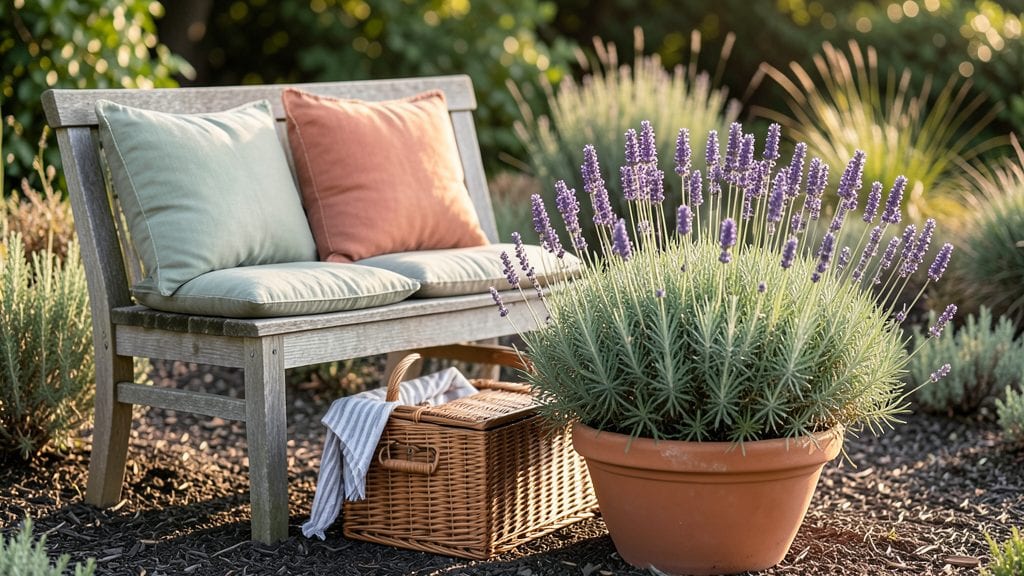
Spark your next garden day ideas with small, creative tweaks—no major renovations needed, just clever touches and a burst of imagination.
I’ve turned my backyard into a rotating gallery of seasonal experiences, from a whimsical fairy garden in spring to a cozy harvest party spot in fall, all with simple layouts that feel magical without the fuss.
The key is picking a theme that excites you, then weaving it into what you already have. My first "garden day" was a DIY herb spiral that doubled as a kids’ scavenger hunt—suddenly, weeding became an adventure.
Start small with what you’ve got: a patch of sun for a pollinator party, a shady corner for a reading nook, or a bare wall for hanging terrariums. Themed layouts work in containers too—think a "spice garden" with edible flowers or a "moon garden" with night-blooming varieties.
The best part? These ideas adapt to any space, whether you’ve got a postage-stamp patio or half an acre. I’ve even hosted "garden yoga" sessions on my deck using nothing but a few blankets and some fairy lights.
What you’ll get is a garden that feels alive with purpose, not just plants. Picture your grandkids giggling over a "bug hotel" made from bamboo stakes, or your partner sipping tea in a "tea garden" corner you created with a single vintage chair and some mint.
The transformations are subtle but unforgettable—like turning a boring fence into a vertical herb garden or a boring lawn into a "garden maze" of low-growing thyme. Each theme tells a story and invites you to play.
The beauty of these ideas is they’re not just for weekends—they’re for every day. A "rainy day garden" with umbrellas and waterproof games keeps kids entertained, while a "stargazing garden" with comfy seating turns evenings into a cozy ritual.
No matter your space or schedule, there’s a theme waiting to make your garden feel like a living, breathing extension of your home. Let’s get inspired!
The Roots of Garden Day Planning
Planning a themed garden day isn’t just about aesthetics—it’s about understanding the why behind how spaces come together. Whether you’re designing a whimsical fairy garden, a lush tropical retreat, or a cozy cottage escape, certain factors shape the success (or chaos) of your layout.
Let’s dig into the science and practical causes behind why garden days unfold the way they do.
Your garden’s personality is heavily influenced by Mother Nature’s mood swings. Climate dictates everything from plant selection to activity timing, and ignoring these factors can turn your "perfect" day into a soggy or scorched mess.
- Temperature Extremes: Plants and people thrive in specific temperature ranges.
For example, a tropical-themed garden day in July might feel stifling in a humid climate, while a winter wonderland in December could freeze guests out if not planned with heaters, blankets, or indoor-adjacent activities. - Actionable fix: Use a microclimate map of your space to identify sunniest spots (for heat-loving plants like succulents) and shaded areas (for ferns or hostas).
Adjust your theme’s activities accordingly—think morning tea in the sun vs. evening storytelling under string lights. - Rain or Shine: A sudden downpour can derail an outdoor picnic, while a drought might wilt your carefully arranged flowers.
The National Oceanic and Atmospheric Administration (NOAA) suggests checking 7-day forecasts and having a backup plan (e.g., a greenhouse workshop or indoor terrarium station). - Pro tip: 💡 For rain-prone days, opt for waterproof decor like faux greenery or UV-resistant fabrics, and schedule hands-on tasks (like pruning or seed planting) under cover.
Not all gardens are 5-acre estates—some are balcony pockets or urban courtyards. The way you use space (or fail to) determines whether your garden day feels expansive or cramped.
- Scale Mismatches: A giant gazebo in a tiny backyard will overwhelm the area, while miniature topiaries in a sprawling meadow might get lost.
The rule of thirds in design applies here: divide your space into thirds and place focal points (like a fire pit or seating area) along these lines for balance. - Example: A rustic barn-themed garden with oversized wooden crates as decor might work in a rural setting but could feel cluttered in a suburban yard.
Scale down or space elements strategically. - Traffic Flow: Crowds moving in one direction (like toward a food station) can create bottlenecks.
Observe how people naturally navigate your space—wide pathways (at least 3 feet) and clear sightlines prevent chaos. - Actionable fix: Sketch a floor plan with arrows showing guest movement.
Test it by walking through the space yourself—can you easily grab a drink, chat with friends, and still admire the flowers?
Every plant and decor piece has a personality—some are high-maintenance divas, while others are low-key survivors. Mixing them wrong can turn your garden day into a maintenance nightmare.
- Sunlight Needs: A sun-loving lavender bush planted in shade will stretch pitifully toward the light, while a shade-dwelling impatiens in full sun will crisp into a sad, brown mess.
Check plant tags for light requirements (full sun = 6+ hours; part shade = 3–6 hours; full shade = <3 hours). - Pro tip: 🌡️ Use a light meter (or the shadow test: if your hand’s shadow is shorter than your fingers at noon, it’s full sun). - Soil Chemistry: Some plants (like blueberries) crave acidic soil (pH 4.5–5.5), while others (like roses) prefer alkaline (pH 6.5–7.0).
A simple soil test kit ($10–$20) reveals your garden’s pH, helping you group compatible plants. - Example: A Japanese zen garden with carefully raked gravel and moss thrives in moist, well-drained soil, while a Mediterranean herb garden needs dry, rocky soil to mimic its native habitat.
Garden days aren’t just about plants; they’re about people. Their needs—physical, social, and sensory—dictate what works (or doesn’t).
- Sensory Overload: A scent-heavy garden (like roses + jasmine) might delight some but overwhelm others with allergies or migraines. Balance strong fragrances with neutral fillers like ornamental grasses or non-floral decor. - Actionable fix: Create a "sensory map" of your space.
Label areas as quiet zones (for reading or meditating), lively zones (for games or music), and aroma-free zones (for guests with sensitivities). - Activity Energy Levels: A high-energy game (like croquet) followed by a relaxing tea ceremony keeps the vibe dynamic.
Mismatched activities (e.g., a yoga session after a loud BBQ) can leave guests drained. - Pro tip: ✨ Schedule peaks and valleys—alternate active tasks (planting, crafting) with passive ones (listening to music, sipping drinks).
Dreams and dollar bills don’t always align. Skipping this step often leads to half-finished projects or last-minute panic buys.
- Material Costs: A stone pathway costs more than mulch, and custom trellises require more time than store-bought ones.
Prioritize splash investments (like a statement bench) over cheap, disposable decor (plastic flamingos that’ll melt in a year). - Example: A fairy garden might look magical with hand-blown glass figurines, but thrifted teacups achieve a similar whimsy for a fraction of the cost. - Time vs. Effort: Some themes (like a wildflower meadow) require low upkeep but take months to establish, while a container herb garden delivers instant gratification.
Match your theme to your available time and maintenance tolerance. - Actionable fix: Make a time audit. Ask: "Can I realistically maintain this?" If the answer’s no, simplify—swap a high-maintenance rose bush for a drought-resistant succulent.
A theme should enhance the experience—not distract from it. Too little cohesion feels lazy; too much feels like a museum exhibit.
- Inconsistent Aesthetics: Mixing Victorian ironwork with modern minimalist planters creates visual noise.
Stick to 2–3 dominant colors and 1–2 textures (e.g., rough wood + smooth stone) for harmony. - Example: A boho-chic garden might use macramé hangers, rattan furniture, and terracotta pots, but adding a sterling silver teapot would clash with the earthy vibe. - Activity-Themed Mismatch: A garden day centered on painting shouldn’t feature scented flowers that trigger headaches.
Align decor, plants, and activities to reinforce the theme. - Pro tip: 🎯 Test your theme’s cohesion by taking a photo of your space. If it looks like a Pinterest collage, you’re on the right track.
If it looks like a department store clearance sale, revisit your choices.
Quick Fixes for Common Garden Day Challenges
Planning a themed garden day sounds exciting—until weeds pop up, tools go missing, or the weather turns against you. Don’t let small hiccups ruin your outdoor fun! Below are practical, step-by-step solutions to tackle the most common garden day problems, plus prevention tips to keep your space stress-free.
Cause: Neglect, poor mulching, or high foot traffic. Fix: 🔥 Step 1: Clear the Clutter Use a weeding knife or digging fork to remove weeds at the root. For stubborn patches, try a vinegar spray (3% acetic acid + dish soap) for a natural herbicide. Pro tip: Wear gloves—vinegar can irritate skin!
🍳 Step 2: Refresh the Soil Loosen compacted soil with a garden fork, then mix in compost (2–3 inches deep). This boosts nutrients and deters future weeds.
👨🍳 Step 3: Mulch Like a Pro Apply 2–4 inches of mulch (straw, wood chips, or shredded leaves) to suppress weeds and retain moisture. Bonus: Mulch also keeps soil cooler in hot climates!
💡 Prevention Tip:
- Weekly 10-minute weeding beats a full cleanup later.
- Landscape fabric under mulch reduces weed regrowth in high-traffic areas.
Cause: Misplaced tools, lack of storage, or wear and tear. Fix: 🔪 Step 1: Organize Your Arsenal Hang tools on a pegboard or use a wall-mounted rack to keep them visible and accessible. Assign a home for each tool (e.g., trowels in the left pocket of your tool belt).
⏰ Step 2: Sharpen and Maintain Dull shears or trowels make work harder. Hone blades with a file or whetstone (for pruners) or replace worn-out rubber grips on handles for better grip.
🌡️ Step 3: Store Smartly Keep tools in a dry, covered shed or waterproof case to prevent rust. Add desiccant packets if storing metal tools long-term.
✨ Prevention Tip:
- Label bins with masking tape and a Sharpie for quick ID.
- Do a 5-minute tool check before and after each garden session.
Cause: Unpredictable forecasts or extreme temps. Fix: 🌧️ For Rainy Days:
- Move activities indoors with portable planters or seed-starting trays.
- Cover delicate plants with frost cloth or clear plastic sheeting (stake it to avoid crushing).
- Drainage check: Ensure pots have holes and saucers to prevent root rot.
🔥 For Scorching Heat:
- Water deeply in the morning (1–2 inches per week) to encourage deep root growth.
- Use shade cloth (30–50% coverage) over sensitive plants like lettuce or basil.
- Mulch heavily to lock in moisture and cool soil.
🎯 Prevention Tip:
- Check the forecast the night before and adjust your plan (e.g., swap planting for pruning).
- Keep a "rainy day kit" with gloves, a small shovel, and a bucket for indoor tasks like potting.
Cause: Overwatering, poor air circulation, or untreated soil. Fix: 🐜 Step 1: Identify the Culprit
- Aphids? Spray with soapy water (1 tsp mild soap per quart of water).
- Slugs? Set out beer traps (bury a cup filled with beer) or use copper tape around pots.
- Deer? Install motion-activated sprinklers or plant deer-resistant species (lavender, marigolds).
💪 Step 2: Boost Plant Health Healthy plants resist pests! Fertilize with compost tea or fish emulsion for a nutrient boost.
🥗 Step 3: Trap and Remove
- Handpick larger pests (like tomato hornworms) and drop them in soapy water.
- Use row covers for young plants to block insects before they settle in.
🔥 Prevention Tip:
- Rotate crops yearly to disrupt pest life cycles.
- Encourage predators like ladybugs or birds with native plants (dill, sunflowers).
Final Thought: Most garden day glitches have simple, fast fixes—the key is preparation and consistency. With these solutions, you’ll spend less time troubleshooting and more time enjoying your themed oasis! 🌿✨
Frequently asked questions
What are the easiest themed garden layouts for small spaces?
Start with container gardens like a vertical herb spiral or a mini fairy garden in a hanging basket. These work in balconies or patios and require minimal space. For a cozy vibe, create a tea garden corner with a single vintage chair and fragrant herbs like mint or lemon balm.
How do I plan a garden day for kids without it turning into chaos?
Set up themed stations like a bug hotel building zone or a paint-your-own-pot area. Use colorful containers and let them pick their own plants. Schedule short, active tasks (like planting seeds) followed by quiet activities (like storytelling under a tree).
Can I mix different themes in one garden day?
Combine themes like a morning yoga session in a zen garden followed by a picnic in a cottagecore flower bed. The key is keeping colors and textures cohesive—stick to 2-3 dominant elements (like wood, stone, and soft greens) to tie everything together.
What are the best low-maintenance garden day themes?
Opt for wildflower meadows, succulent desert gardens, or native plant landscapes. These require minimal watering and upkeep. Pair them with simple activities like birdwatching or stargazing to keep the focus on relaxation rather than maintenance.
How can I make my garden day feel special on a budget?
Use what you already have! Repurpose old furniture with a fresh coat of paint, create decor from thrifted finds, and focus on DIY projects like homemade bird feeders or painted rocks. Lighting (like solar-powered string lights) adds magic without breaking the bank.