
Pests
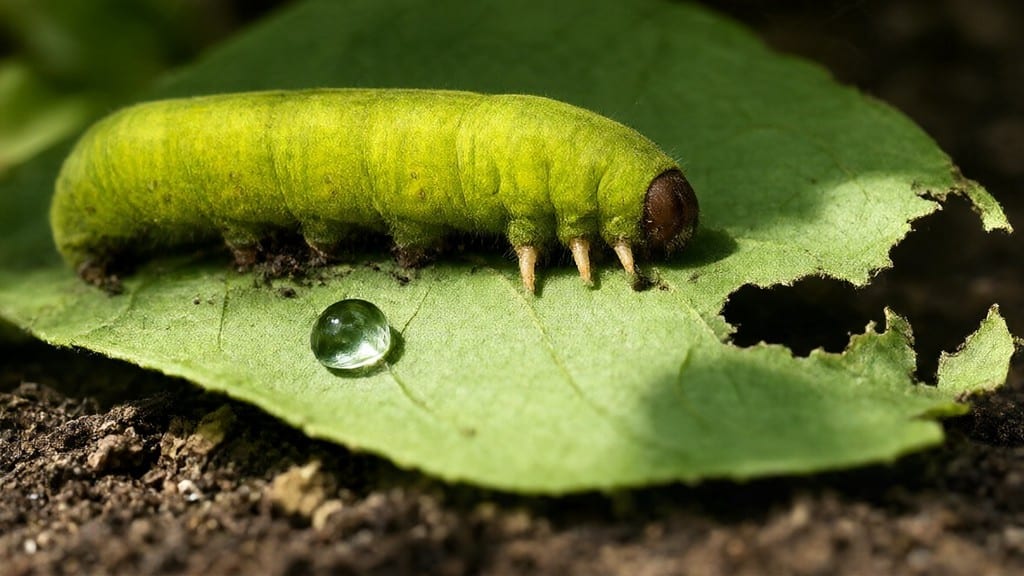
Mastering the garden caterpillar identification by their damage is the fastest way to stop them from turning your spring garden into a salad bar.
Picture this: You step outside after a week of rain, and your once-lush Caterpillar Host Plants (General) look like they’ve been through a food processor. Those chewed leaves aren’t just bad luck—they’re a clue.
Some caterpillars leave behind skeletonized foliage, others create silken tents, and a few even sport bright colors as a warning. Knowing the difference means you can act before your tomatoes vanish overnight.
Most gardeners assume all caterpillars are pests, but some—like the striped swallowtail—are actually beneficial. The key is learning their damage patterns, body markings, and which plants they target. Once you spot those telltale signs, you’ll save hours of guesswork and keep your garden thriving without harsh chemicals.
In this guide, I’ll walk you through the visual tricks that reveal each species, from the tomato hornworm’s dramatic stripes to the cabbage looper’s looping frass trails. You’ll also discover when to intervene—and when to just let nature take its course.
How to identify garden caterpillars by their chewed leaves and damage patterns
When you spot chewed leaves in your garden, the first step is identifying the culprit before reaching for pesticides. Caterpillars leave behind distinct damage patterns—from frass (poop) trails to skeletonized foliage—that reveal their species. Knowing these clues helps you target control methods without harming beneficial insects.
For example, a tomato hornworm leaves large, irregular holes, while a cabbage looper creates a window-pane effect on leaves. Let’s decode these patterns to save your plants.
Start by examining the type of leaf damage. Some caterpillars chew holes in leaves, while others create frass mounds near feeding sites. The shape of the damage and the location on the plant (top leaves vs. lower foliage) can narrow down the species.
For instance, gypsy moth caterpillars often defoliate entire branches, leaving only veins intact. Meanwhile, tent caterpillars spin silken tents among branches, making their hiding spots obvious. Pay attention to these details before taking action.
Below is a visual comparison table of common garden caterpillars, their leaf damage signatures, and the host plants they target. Use this as your quick-reference guide to spot the pest and act fast.
| Caterpillar | Leaf Damage Pattern | Frass Appearance | Host Plants | Key ID Feature |
|---|---|---|---|---|
| Tomato Hornworm | Large, irregular holes; skeletonized leaves | Greenish-black, scattered | Tomatoes, peppers, eggplant | V-shaped white stripe down back |
| Cabbage Looper | Window-pane effect; small holes | Fine, black, in trails | Cruciferous veggies (kale, cabbage) | Looping body when at rest |
| Tent Caterpillar | Defoliation; silken tents | Brownish, clustered | Fruit trees, shrubs | White stripes on body |
| Gypsy Moth Caterpillar | Complete defoliation; leaves stripped to veins | Black, dense piles | Oak, birch, apple | Blue and red bristles |
| Armyworm | Swaths of chewed grass; irregular patches | Greenish-black, mixed with plant debris | Grasses, lawns, young plants | Striped body; moves in groups |
The tomato hornworm is one of the most dramatic offenders, stripping leaves down to stems in just days. Look for large green caterpillars with a white horn at their rear—this is a dead giveaway.
They thrive on nightshade plants, so if your tomatoes or peppers are under siege, this is likely your culprit. Handpicking them (and their eggs) is often the fastest solution, especially in organic gardens.
If you notice small, translucent holes in leaves with a window-pane effect, the cabbage looper is probably the culprit. These pests target cruciferous vegetables like broccoli and cabbage, leaving behind fine, black frass trails.
The looping motion of their bodies when at rest is another key identifier. Introducing beneficial nematodes or Bt spray can help control them without harming pollinators.
Tent caterpillars are easy to spot if you see silken tents among branches. These caterpillars defoliate trees like cherry or apple trees, leaving behind brown frass clusters. Unlike harmful pests, these caterpillars rarely kill trees but can stress them. Prune and remove tents in early spring before larvae emerge to break their life cycle.
For gypsy moth caterpillars, watch for complete defoliation of
Top 5 most destructive caterpillars in gardens and how to spot their larval stages
Some caterpillars are more destructive than others, and knowing how to identify them can save your garden from devastation. These larval stages of moths and butterflies often go unnoticed until they’ve already stripped your plants bare.
The key to early intervention lies in recognizing their size, color patterns, and the type of damage they leave behind.
From the gypsy moth caterpillar with its hairy body to the tomato hornworm that can defoliate a plant overnight, these pests thrive in different seasons. Understanding their peak activity periods helps you monitor your garden more effectively.
Let’s dive into the top five most destructive caterpillars and how to spot them before they cause irreversible damage.
-
1. Gypsy Moth Caterpillar
Species: Lymantria disparThese fuzzy, hairy caterpillars are infamous for defoliating entire forests and gardens. They grow up to 2 inches long and have five pairs of blue dots along their sides.Active: May-July | Host Plants: Oak, apple, birch, and many ornamentals. -
2. Tomato Hornworm
Species: Manduca sextaWith a green body and white diagonal stripes, this caterpillar can grow up to 4 inches long. It’s a voracious eater, often leaving behind skeletonized leaves.Active: June-August | Host Plants: Tomatoes, peppers, eggplants, and tobacco. -
3. Armyworm
Species: Spodoptera frugiperdaThese striped caterpillars move in large groups, earning their name. They’re pale green or brown with dark stripes and can grow up to 1.5 inches long.Active: Spring and fall | Host Plants: Grasses, corn, and many garden vegetables. -
4. Cabbage Looper
Species: Trichoplusia niThis green or brown caterpillar has a distinctive looping motion when moving. It grows up to 1.5 inches long and leaves behind irregular holes in leaves.Active: Spring to fall | Host Plants: Cabbage, broccoli, kale, and other brassicas. -
5. Sphinx Moth Caterpillar (Tomato Fruitworm)
Species: Manduca quinquemaculataSimilar to the tomato hornworm but with yellow and black stripes, this caterpillar can grow up to 3.5 inches long. It burrows into fruits, causing significant damage.Active: June-September | Host Plants: Tomatoes, potatoes, and other nightshades.
Knowing the size, color patterns, and host plants of these caterpillars helps you act quickly. For example, if you spot skeletonized leaves on your tomatoes, the culprit is likely a tomato hornworm. Always check the undersides of leaves where these pests love to hide.
Early detection is crucial. If you find any of these caterpillars, consider manual removal or using organic sprays like Bt (Bacillus thuringiensis) to protect your garden without harming beneficial insects. Regularly inspect your plants, especially during their peak activity periods, to keep these destructive caterpillars in check.
By staying vigilant and knowing what to look for, you can prevent these caterpillars from turning your garden into a buffet. Happy gardening—and keep those leaves intact! 🌿