
Tools
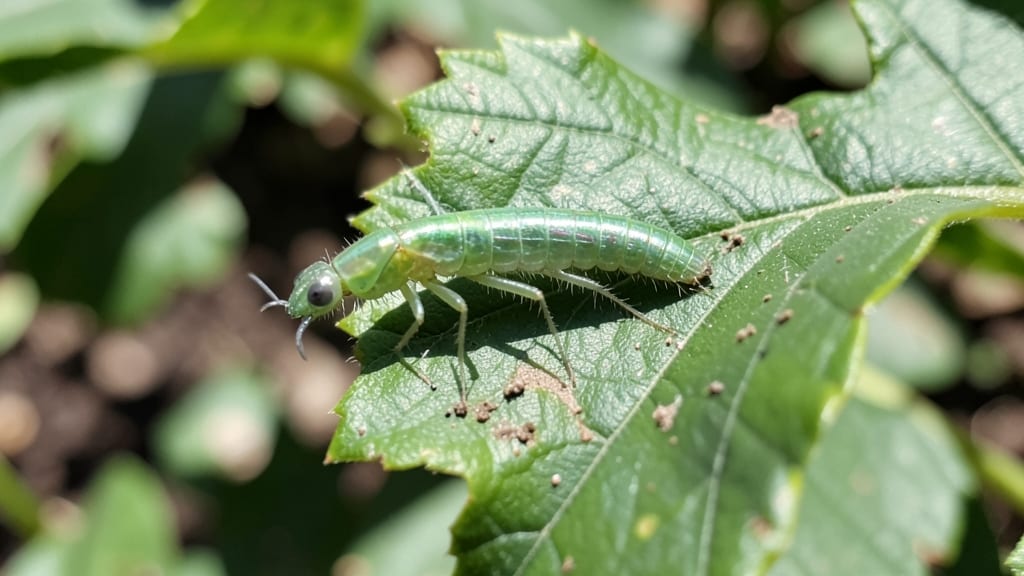
Identifying garden bugs through pictures is the first step to protecting your plants without overreacting. I’ve spent years watching my yard’s tiny ecosystem—some visitors are allies, others are troublemakers, and many just look alike until you know what to spot.
A quick glance at a striped green beetle might make you reach for the spray, but that’s likely a helpful ladybug larva, not a pest. The difference between friend and foe often comes down to color patterns, body shape, and where they’re hanging out.
This guide shows you exactly what to look for, from the black-and-yellow stripes of a striped cucumber beetle (a plant destroyer) to the polka-dot wings of a ladybug (your garden’s cleanup crew).
I’ll include visual clues like size comparisons, wing shapes, and even the damage they leave behind—because sometimes the real giveaway isn’t the bug itself but the chewed leaves or sticky residue it leaves. No more guessing whether that crawling thing is a menace or a miracle worker.
Once you can tell them apart, managing pests becomes easier. You’ll learn how to encourage the good guys—like lacewings and predatory wasps—while gently removing the bad actors without chemicals. The goal isn’t to eliminate all bugs (that’s impossible and unhealthy), but to tip the balance so your plants thrive.
Think of it as a bug bingo: spot the patterns, match them to the right category, and watch your garden’s natural defenses kick in.
Whether you’re dealing with a sudden aphid outbreak or just curious about that shiny beetle on your roses, this visual guide gives you the confidence to act—fast. No more panicked Googling or spraying everything in sight.
Let’s turn your yard into a bug detective’s playground, where every visitor has a clear label: friend, foe, or just passing through.
The Hidden Triggers Behind Bug Infestations
Your garden isn’t just a patch of soil and plants—it’s a bustling ecosystem where bugs thrive based on invisible cues. Understanding why these critters show up (and in picture-perfect numbers) starts with science.
Below, we break down the root causes, from environmental factors to human habits, so you can tackle the problem at its source.
Bugs like slugs, snails, and fungus gnats love damp conditions because moisture makes it easier for them to move, feed, and reproduce. Here’s how it happens:
- Poor Drainage: Clay-heavy soil or compacted ground traps water, creating a bug buffet. Example: Earthworms (usually helpful) drown in soggy soil, while their predators—like centipedes—thrive.
- Overhead Watering: Sprinklers soak leaves and mulch, turning your garden into a humid greenhouse. Result: Soft-bodied pests (e.g., aphids, mites) multiply rapidly.
- Irrigation Timing: Watering late in the day leaves foliage damp overnight, inviting fungus-loving insects like shiny leaf beetles.
Actionable Fix: Test soil drainage (dig a hole, fill it with water—if it drains in <1 hour, it’s fine). Use drip irrigation or soaker hoses to target roots, not leaves. Pro Tip: 🌡️ Aim for 1 inch of water per week (including rain) and water in the early morning to let foliage dry.
Bugs are opportunists—they zero in on plants that are either starving or overfed. Here’s the science:
| Plant Stress | Attracts These Bugs | Why? |
|---|---|---|
| Nitrogen deficiency (yellow leaves) | Japanese beetles, cabbage worms | Weak plants produce more sugars in leaves to survive, making them sweeter targets. |
| Phosphorus deficiency (purple stems) | Root maggots, cutworms | Stunted roots release chemical distress signals that attract soil-dwelling pests. |
| Over-fertilization (burnt leaf edges) | Aphids, spider mites | Excess salts in soil disrupt plant defenses, making them vulnerable to sap-sucking insects. |
Actionable Fix: Conduct a soil test ($15–$20 kits work) and amend with balanced fertilizer (10-10-10). For organic fixes, use compost tea or fish emulsion to boost natural defenses. Pro Tip: 💡 Neem oil (applied weekly) deters pests and strengthens plant immunity.
Bugs need hiding spots—think of them as tiny real estate investors. Leaves, wood, and weeds create the perfect bug condos:
- Leaf Litter: Piles of fallen leaves trap moisture and become breeding grounds for earwigs and sow bugs. Science: Decaying matter releases volatile organic compounds (VOCs) that attract detritivores.
- Wood and Mulch: Untreated wood attracts carpenter ants (they farm fungi in moist wood). Mulch that’s too thick (4+ inches) suffocates plants and lures termites.
- Weeds: Dandelions and clover aren’t just nuisances—they’re magnets for aphids, which then spread to your prized plants via ants (who farm aphids for honeydew).
Actionable Fix:
- 🔥 Clear debris regularly—rake leaves into compost or a designated pile away from plants.
- 👨🍳 Use 3-inch mulch layers (straw or shredded bark) and keep it 6 inches from plant stems.
- ✨ Interplant with bug-repelling herbs like basil, mint, or marigolds to disrupt pest habitats.
Bugs are highly sensitive to temperature and weather patterns. Here’s how seasons influence their behavior:
- Warm, Dry Weather: Attracts stink bugs and lady beetles (the good kind!). Why? Heat speeds up their metabolism, increasing reproduction rates.
- Humid Conditions: Fungus gnats and whiteflies thrive because humidity lowers surface tension on leaves, making it easier for them to lay eggs.
- Late Summer Rain: Triggers Japanese beetle swarms. Science: Heavy rain washes away their natural predators (e.g., birds, spiders).
- Early Spring Thaws: Wakes up cutworms and slugs from hibernation before plants are hardened off.
Actionable Fix:
- 🌡️ Monitor weather forecasts and apply row covers before pest swarms arrive.
- 🎯 Plant seasonal traps: Marigolds in summer repel nematodes; nasturtiums distract aphids in spring.
- ⏰ Time interventions: Apply beneficial nematodes in early fall to target grubs before they pupate.
Quick Fixes for Common Garden Pests
Unwanted critters can turn your lush garden into a battleground, but don’t worry—most issues have simple, effective solutions. Below, we’ve mapped common garden pests to their fixes, so you can act fast and keep your yard thriving.
Whether it’s chewed leaves, wilting plants, or mysterious holes, these steps will help you reclaim your green space.
Problem: Clusters of sticky, green, black, or white bugs on leaves and stems, causing curled or yellowing foliage. Fix:
- 🔥 Blast Them Off: Use a strong stream of water from your hose to dislodge aphids from plants.
- 🍳 Soapy Spray: Mix 1 tablespoon of mild dish soap with 1 quart of water. Spray directly on infested areas (avoid flowers if possible).
- 👨🍳 Introduce Predators: Ladybugs, lacewings, and parasitic wasps are natural aphid enemies. Buy them online or attract them with nectar-rich plants like dill or fennel.
💡 Prevention Tip: Encourage beneficial insects by planting marigolds, nasturtiums, or yarrow around your garden. Healthy plants are less appealing to aphids!
Problem: Irregular holes in leaves, silvery slime trails, and missing seedlings—especially after rain. Fix:
- 🥘 Beer Traps: Bury a shallow dish filled with beer near problem areas. The slugs will crawl in and drown (gross but effective!).
- 🔪 Barriers: Create a ring of diatomaceous earth, crushed eggshells, or copper tape around plants. Slugs hate crossing these!
- ⏰ Handpick at Night: Use a flashlight to spot and relocate slugs to a far corner of the yard (or feed them to chickens if you have them).
💡 Prevention Tip: Water plants in the morning instead of evening to let soil dry faster, making slugs less active. Mulch with coarse materials like pine needles, which slugs avoid.
Problem: Skeletons of leaves, chewed flowers, and shiny green beetles with copper wings. Fix:
- 🔪 Handpick and Drop: Fill a bucket with soapy water and drop beetles in during the day (they’re most active then).
- 🍳 Neem Oil Spray: Mix 2 tablespoons of neem oil with 1 teaspoon of dish soap and 1 quart of water. Spray on leaves to repel and kill beetles.
- 🌡️ Trap Plants: Plant a sacrificial trap crop like roses or grapes nearby. Check and remove beetles regularly.
💡 Prevention Tip: Avoid planting favorite beetle foods like roses, grapes, or linden trees if you’re prone to infestations. Opt for beetle-resistant plants like marigolds or boxwood.
Problem: Tiny white moth-like insects that flutter when you disturb plants, leaving a sticky residue (honeydew) on leaves. Fix:
- 🔥 Yellow Sticky Traps: Hang yellow cards coated with sticky glue near infested plants to catch adults.
- 🥘 Insecticidal Soap: Spray a solution of 1 tablespoon of castile soap in 1 quart of water directly on the undersides of leaves (where they hide).
- 👨🍳 Beneficial Wasps: Release Encarsia formosa, a parasitic wasp that preys on whiteflies. Order online for targeted control.
💡 Prevention Tip: Keep your garden clean—remove weeds and debris where whiteflies lay eggs. Use reflective mulch to disorient them.
Problem: Trails of ants marching across your yard, often tending to aphids or other pests they “farm.” Fix:
- 🔪 Bait Stations: Use borax or commercial ant baits (like Terro) near trails. Ants carry bait back to the colony, eliminating them.
- 🍳 Vinegar Spray: Mix equal parts white vinegar and water in a spray bottle. Apply to ant trails and entry points.
- 🌡️ Natural Barriers: Sprinkle cinnamon, chalk, or coffee grounds around entry points—ants dislike crossing these lines.
💡 Prevention Tip: Seal cracks in your home’s foundation and store firewood away from the house. Ants are drawn to moisture, so fix leaky pipes or standing water.
Problem: Large holes in leaves, frass (chewed-up leaf debris), and fuzzy or striped caterpillars hiding among foliage. Fix:
- 🔪 Handpick and Drop: Wear gloves and drop caterpillars into soapy water (especially tomato hornworms—they grow huge fast!).
- 🍳 Bacillus Thuringiensis (Bt): Sprinkle this organic bacteria on leaves. It’s harmless to humans but deadly to caterpillars.
- 👨🍳 Bird-Friendly Garden: Install birdhouses and feeders to attract birds that eat caterpillars.
💡 Prevention Tip: Use row covers over young plants to block egg-laying moths. Remove fallen leaves and debris where caterpillars overwinter.
- 🌱 Plant Diversity: A mix of flowers, herbs, and veggies confuses pests and attracts beneficial insects. - 🌡️ Healthy Soil: Strong plants resist pests better.
Add compost and mulch to boost plant health. - ✨ Regular Scouting: Check your garden weekly for early signs of trouble. Act fast before pests spread!
With these targeted fixes, you’ll be well on your way to a pest-free paradise. Happy gardening! 🌿🔥
Frequently asked questions
How can I tell if a garden bug is helpful or harmful just by looking at it?
Look for these visual clues: helpful bugs like ladybugs have polka-dot wings, while pests like aphids cluster in sticky groups. Beneficial insects often have long antennae or many legs (like lacewings), whereas pests tend to have short bodies and piercing mouthparts. Check leaf damage too—ragged holes usually mean caterpillars, while shiny residue signals sap-suckers like whiteflies.
What’s the best way to take clear pictures of tiny garden bugs for identification?
Use a macro lens or smartphone with 10x zoom, place the bug on a white background (like paper), and use natural light. Avoid flash—it washes out colors. For movement shots, try a slow shutter speed or prop the bug gently with a paintbrush.
Why do some bugs look identical but one is good and the other is bad?
It’s all about behavior and diet! For example, ladybug larvae (spiky black) eat aphids, while Mexican bean beetles (similar size, yellow) devour leaves. The key difference? Look at their mouthparts—predators have chewing jaws, while pests often have sucking tubes.
Can I use my phone to identify bugs, or do I need a special app?
Yes! Apps like iNaturalist or PictureThis use AI to match bugs to your photos. For faster results, try Google Lens—just snap a picture and it’ll suggest matches. Pro tip: Include a coin or ruler in the shot for size reference to improve accuracy.
What should I do if I find a bug I’ve never seen before?
First, take a clear photo with a reference object (like a pencil). Then check local gardening forums or post to r/whatsthisbug on Reddit. Avoid squashing it—many beneficial insects look strange but are harmless. If it’s aggressive (like wasps), gently relocate it with a cup and paper.