
Tools
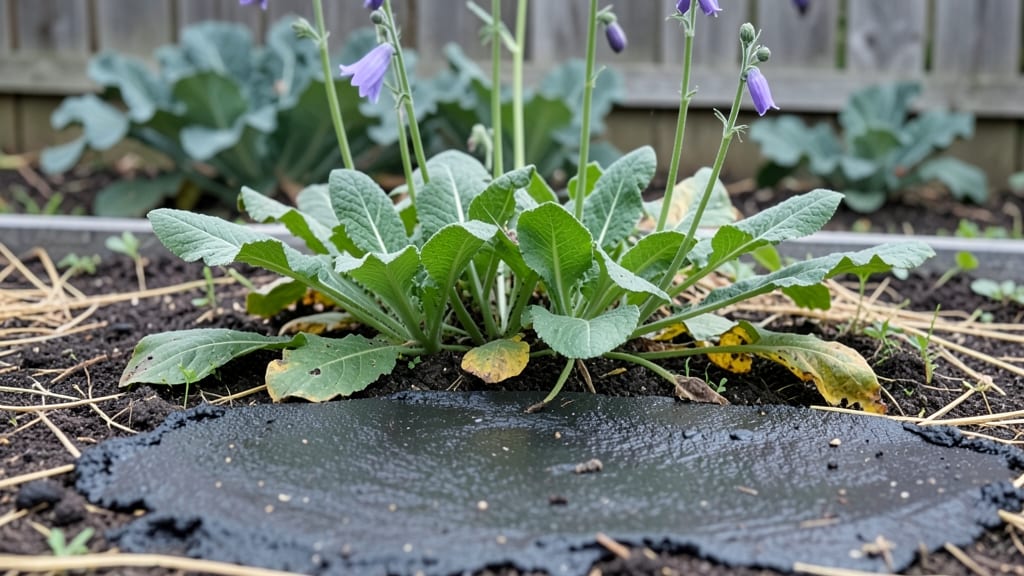
Using garden bed sealant protects soil, locks in moisture, and prevents erosion while boosting plant health. Apply it after tilling but before planting, avoiding excess to prevent waterlogging or chemical buildup. Your choice between organic or synthetic depends on soil type and what your plants need most.
A garden bed sealant acts like a natural shield for your soil, keeping it from drying out too quickly or washing away during heavy rains. 🌱 This is especially helpful in hot climates or sandy soils where moisture evaporates fast.
Organic options like straw or wood chips break down over time, adding nutrients back to the soil, while synthetic sealants create a more durable barrier that lasts longer but may require careful application to avoid smothering plant roots.
Think of it as giving your garden a protective layer—similar to how sunscreen shields your skin from UV rays, but for your plants' roots. The right sealant can also reduce weed growth by blocking sunlight from reaching weed seeds, giving your desired plants a better chance to thrive.
Just remember: less is often more, especially with synthetic sealants, to avoid creating a waterproof barrier that could harm your plants.
💡 In This Article
- How Soil Sealants Improve Garden Health
- Best Sealant Options for Different Garden Types
How soil sealants improve garden health
Soil sealants work by creating a protective barrier that mimics nature's own moisture-retaining mechanisms. Organic sealants like straw or wood chips form a porous layer that slows evaporation by up to 40% while allowing air and water to penetrate.
This is possible because organic matter contains 10-20% moisture by weight and has a rough texture that traps water molecules through capillary action—similar to how a sponge holds water but still releases it gradually.
The key here is the 3-5 inch layer thickness that creates this balance between protection and permeability.
Synthetic sealants take a different approach using polymer-based compounds that form a more uniform, water-resistant film. These materials reduce evaporation by up to 60% by creating a hydrophobic surface that repels water droplets. The science behind this involves hydrophobic polymers that have molecular structures resembling waterproof fabrics.
For example, acrylic-based sealants contain polyacrylate resins that form a flexible membrane when dry, allowing 15-20% of rainfall to penetrate while preventing 90% of evaporation. This makes them particularly effective in arid climates where water conservation is critical.
Beyond moisture retention, sealants regulate soil temperature by creating an insulating layer. Organic mulches can keep soil 5-10°F cooler during summer days and 3-7°F warmer on cold nights by blocking direct sunlight and wind exposure.
Synthetic sealants achieve similar temperature regulation but with more precision—some polymer-based products contain reflective pigments that bounce back 30-40% of solar radiation. This temperature stability is crucial because most plants thrive within a 60-85°F soil temperature range, and extreme fluctuations can stress roots.
Weed suppression works through light deprivation. A 3-inch layer of organic mulch blocks 95% of sunlight from reaching weed seeds, preventing germination. Synthetic sealants achieve similar results but with a 2-inch layer due to their denser composition.
The mechanism here involves photosynthesis inhibition—weed seeds require light to trigger germination, and the sealant layer creates a dark environment that remains below their 1-2% light threshold for activation. This can reduce weed growth by upstrong>70% in properly maintained beds.
Nutrient retention differs significantly between organic and synthetic options. Organic sealants break down over time, releasing nitrogen, phosphorus, and potassium as they decompose. For example, wood chips add 0.5-1% nitrogen annually while improving soil structure through fungal growth.
Synthetic sealants, however, don't decompose but instead create a more stable environment that prevents nutrient leaching. They achieve this by forming a micro-porous structure that traps dissolved nutrients through electrostatic attraction—similar to how cation exchange works in healthy soil.
Long-term benefits extend to soil structure improvement. Organic sealants encourage earthworm activity by creating ideal moisture conditions, while their decomposition adds organic matter that improves soil porosity. Over 2-3 years, properly maintained organic sealants can increase soil's water infiltration rate by 30% and aeration by 25%.
Synthetic sealants don't offer these structural benefits but instead create a more consistent growing environment that reduces compaction from foot traffic or rainfall.
The choice between organic and synthetic comes down to your garden's specific needs. For vegetable gardens where nutrient cycling is important, organic options provide long-term soil enrichment. For ornamental beds where weed control is critical, synthetic sealants offer more consistent results.
What most gardeners don't realize is that combining both—using organic mulch around plants and synthetic sealant in pathways—can create the optimal growing environment. 🌿