
Tools
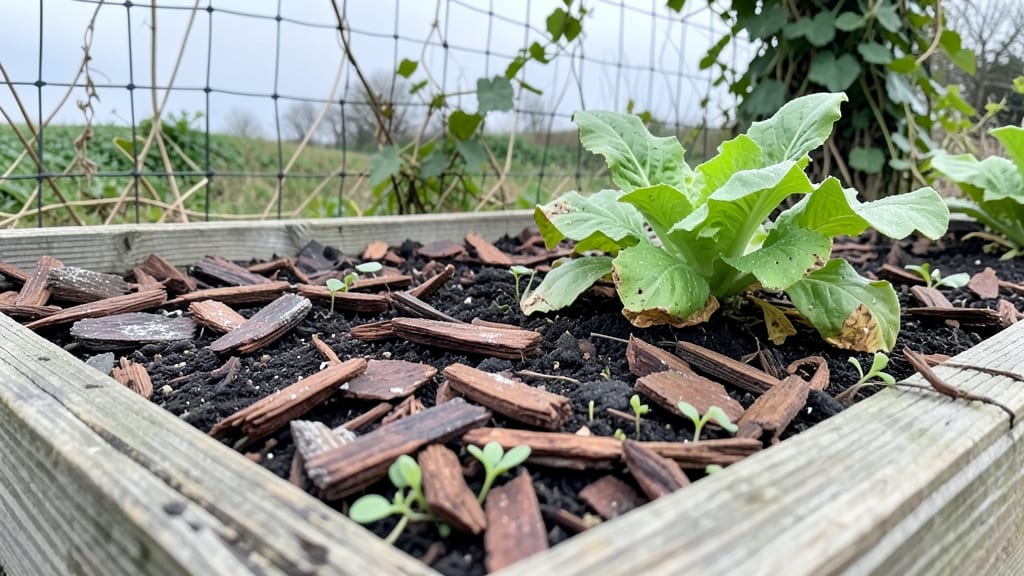
Understanding garden bed costs helps you plan for projects ranging from $50 to $500+, depending on size, materials, and whether you DIY or hire professionals. Raised beds typically cost $10–$30 per square foot, while in-ground beds require less upfront investment but demand soil preparation. Hiring labor can add $200–$1,000+ to your total expenses.
Planning your garden bed budget starts with material choices—cedar and composite lumber run $10–$30 per square foot, while brick or stone can push costs higher.
In-ground beds cut material expenses but may require soil amendments like compost or sand, adding $20–$50 per cubic yard. 💛 For example, a 4'x8' cedar raised bed with 12" depth costs around $300–$500 if built yourself, but professional installation could double that price.
Regional lumber prices and labor rates also play a big role, so checking local suppliers can save hundreds.
💡 In This Article
- Factors That Influence Garden Bed Pricing
- Budget-Friendly Garden Bed Solutions
Factors that influence garden bed pricing
The material you choose for your garden bed is the single biggest cost driver.
Cedar lumber, for example, costs $10–$20 per square foot due to its natural rot resistance and attractive appearance. 🌲 Composite materials like plastic or recycled wood fibers run $15–$30 per square foot but offer longer lifespans (20+ years vs. cedar's 10–15 years).
Brick or stone veneers push costs to $25–$50 per square foot because of labor-intensive installation and material expenses. The depth also matters—standard 6–12 inches adds minimal cost, but deeper beds (18+ inches) require more material and structural support.
Bed dimensions create a compounding effect on costs. A 4'x8' bed (32 sq ft) with 10-inch-high cedar walls needs about 12 linear feet of 2x6 lumber, costing roughly $150–$250 in materials alone.
Doubling the size to 8'x8' (64 sq ft) doesn't just double the cost—it requires additional corner supports and potentially more expensive long lumber pieces. 📏 In-ground beds save on framing but may need $20–$50 per cubic yard for imported topsoil or amendments like composted manure, which improves drainage and fertility.
Regional soil quality also affects costs—urban areas often charge premiums for delivered soil.
Labor costs vary wildly by location, with urban areas charging $50–$100/hour for professional installation while rural regions may offer $30–$60/hour. A 4'x8' cedar raised bed might take 4–6 hours to assemble professionally, adding $200–$600 to your bill.
DIY kits cut costs by 30–50% since they include pre-cut, pre-drilled components that snap together like furniture. 💰 Pre-built kits (like those from Tough Tub or CedarCraft) run $500–$1,500 depending on size, while custom-built beds with brick facades or cedar cap rails can exceed $2,000 for similar dimensions.
Don't overlook hidden costs like hardware and accessories. Galvanized screws for cedar beds cost $0.50–$1.50 each, and you'll need 50–100 screws for a standard bed.
Landscape fabric to prevent weeds adds $1–$3 per square foot, while drainage layers (gravel or landscape fabric) can cost $0.50–$2 per square foot. 🔧 These small expenses add up—skipping them might save $50–$100 upfront but create long-term maintenance headaches like rot or poor drainage.
Regional lumber prices also fluctuate seasonally, with winter often offering 10–20% discounts on cedar and composite materials.
The choice between raised and in-ground beds creates a trade-off between upfront costs and long-term value.
In-ground beds require minimal materials but may need $1,000+ in soil amendments if your native soil is clay-heavy or nutrient-poor. 🌱 Raised beds, while more expensive initially, offer better control over soil quality, reduce weed pressure, and improve drainage—benefits that pay off in higher yields and lower maintenance over 5–10 years.
For example, a 4'x8' in-ground bed might cost $100–$200 for soil prep, while the same raised bed would cost $300–$500 but could produce 20–30% more vegetables annually due to optimal growing conditions.
Here's what most people overlook: the lifespan of materials directly impacts long-term costs. Cedar beds last 10–15 years before needing replacement, while composite materials can last 20+ years with minimal upkeep. 💡 Brick or stone veneers may cost more initially but require almost no maintenance beyond occasional sealing.
If you're planning a permanent garden space, investing in higher-quality materials upfront can save $500–$1,000 over a decade compared to cheaper alternatives that degrade faster.