
Lawn
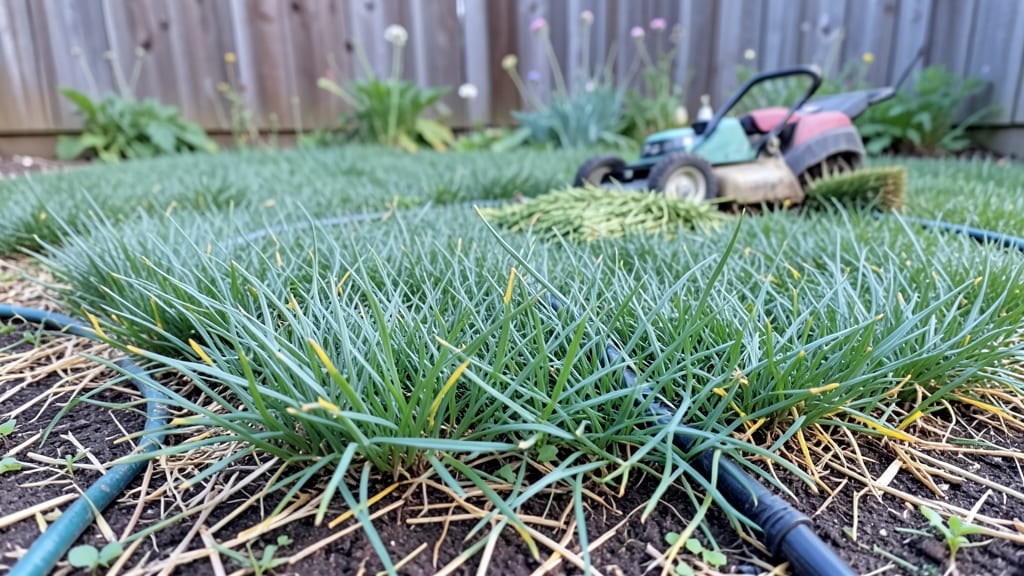
Mastering the art of garden and lawn care begins with tuning into the seasons—not just fixing problems as they arise. 🌱 I’ve spent years watching how plants respond to each shift in weather, and the difference between a thriving yard and one that’s always playing catch-up comes down to a few smart habits, not luck.
The key isn’t working harder; it’s working smarter—knowing when to feed, when to hold back, and how to prep for what’s coming next.
Most people focus on summer, but the real foundation happens in cooler months. Spring is about waking up the soil with compost and adjusting watering as days warm, while fall is when you protect roots from freezing and aerate for next year’s growth.
I’ve seen lawns go from patchy to vibrant just by tweaking these seasonal checkpoints—no expensive treatments needed. The tools you’ll use are simple: a rake, basic fertilizer, and a sharp mower blade. Even beginners can master this.
By the end of a year using these tips, you’ll have soil that holds moisture like a sponge, grass that stays green through droughts, and perennials that bounce back stronger after winter.
The payoff isn’t just pretty—it’s practical: fewer weeds, less water waste, and a yard that feels like an extension of your home, not extra work. Let’s break down how to make it happen, step by step.
This works for any yard size, from a small urban plot to a half-acre lawn. The principles stay the same—just scale the effort. Whether you’re fixing brown patches now or planning for next spring, these seasonal adjustments will keep your garden looking effortlessly lush year after year.
📚 In This Guide
- What you need
- Instructions
- Tips and common mistakes
- Wrapping up and next steps
What you need
- ● Pro tip: 💡 Start small—stock the essentials first, then upgrade as you master seasonal tasks!
Step-by-Step guide to seasonal garden and lawn maintenance
Keep your outdoor space thriving year-round with these simple seasonal check-ins.
🌱 Step 1: Spring Setup for New Growth
Start by clearing winter debris from garden beds and lawn areas. Rake away fallen leaves, twigs, and any dead plant material that may harbor pests or disease. I like to do this on a dry day so everything blows away easily—just a quick sweep with a stiff rake.
Test your soil's pH and nutrient levels using a simple kit. Most lawns and gardens perform best in a slightly acidic range (6.0-7.0). If your results show deficiencies, apply a balanced 10-10-10 fertilizer according to package instructions. Spread it evenly with a broadcast spreader for lawns or hand-scatter in garden beds.
☀️ Step 2: Summer Lawn and Garden Care
Water deeply 2-3 times per week in the early morning to prevent fungal growth. Aim for 1-1.5 inches of water per week, checking with a rain gauge or tuna can. Let the water soak into the soil—you'll know it's enough when the top 4 inches feel moist but not soggy.
Mow your lawn when the grass reaches 3-4 inches tall, never removing more than one-third of the blade height at a time. Keep your mower blade sharp—dull blades tear grass instead of cleanly cutting it, which stresses the plant. For garden beds, mulch with 2-3 inches of organic mulch to retain moisture and suppress weeds.
✂️ Step 3: Fall Preparation for Winter
Start by cutting back perennials and ornamental grasses to 2-3 inches above the ground. This prevents them from flopping over in winter winds while still allowing them to photosynthesize until frost. Leave seed heads on plants like coneflowers and black-eyed Susans—they provide winter interest and food for birds.
Apply a thin layer of compost (about ½ inch) over garden beds to replenish nutrients. For lawns, aerate in early fall if your soil is compacted. You'll see plugs of soil pulled up after aeration—this opens up the turf so water and nutrients can reach the roots. Follow up with a slow-release fertilizer to strengthen roots before winter.
⏰ Step 4: Winter Protection and Planning
Inspect your garden for winter damage as soon as snow melts. Prune any broken branches from shrubs and trees, making clean cuts just above a bud or lateral branch. Wrap young, tender trees with tree wrap to prevent sunscald and rodent damage.
Plan your spring planting by reviewing last year’s successes and failures. Note which plants thrived, which struggled, and where you might adjust sunlight or soil conditions. Sketch a rough layout of new additions—this keeps your garden organized and prevents overcrowding as plants mature.
Tips & tricks for perfect seasonal garden and lawn maintenance
Here's what nobody tells you about keeping your garden and lawn looking their best without the guesswork.
Soil Testing Secrets: Don't just test your soil once—re-test every 2-3 years, especially if you notice plants struggling. The 6.0-7.0 pH range mentioned in Step 1 is ideal, but small variations can make a big difference. For example, blueberries need 4.5-5.5—if you're growing them, test separately and amend with sulfur if needed. I keep a small test kit in my gardening shed for quick checks before planting new beds.
Watering Wisdom: The 2-3 times per week guideline in Step 2 works for most lawns, but adjust based on your soil type. Sandy soil drains quickly and may need daily watering, while clay soil holds moisture longer—check that top 4 inches regularly. For garden beds, water at the base of plants rather than overhead to prevent fungal diseases. A simple rain gauge (or tuna can) is your best friend for tracking those 1-1.5 inches per week.
Mulching Magic: When you apply that 2-3 inches of organic mulch in Step 2, don't pile it against plant stems—keep it 2 inches away to prevent rot. I like to use shredded bark mulch because it breaks down slowly and improves soil structure over time. For weed control, apply mulch after watering so it settles properly and creates that protective barrier.
Fall Prep Pro Tip: That ½ inch of compost in Step 3 is your secret weapon for winter. Work it into the top 2 inches of soil rather than just spreading on top—this gives roots access to nutrients when they need them most. And when aerating your lawn, do it when the soil is slightly moist (not soggy) for best results. You'll know you're doing it right when those plugs of soil come up cleanly.
Pro Tips for Garden And Lawn Care
- Here's what nobody tells you about keeping your garden and lawn looking their best without the guesswork.
- Soil Testing Secrets: Don't just test your soil once—re-test every 2-3 years, especially if you notice plants struggling.
- Watering Wisdom: The 2-3 times per week guideline in Step 2 works for most lawns, but adjust based on your soil type.
Frequently asked questions
Got questions about keeping your garden and lawn thriving all year? You’re not alone!
Here are answers to the most common concerns—from seasonal timing to quick fixes for common issues.
When is the best time to fertilize my lawn?
The ideal times are early spring (just as grass greens up) and late summer/early fall (6–8 weeks before frost). Avoid fertilizing in extreme heat or drought—it stresses the grass. Pro tip: Use a slow-release fertilizer for steady nutrients without overloading your soil.
How often should I water my lawn?
Water deeply 1–2 times per week (early morning is best) for about 1–1.5 inches total. Overwatering wastes resources and encourages fungus. Test your soil: Dig 6 inches deep—if it’s dry, water again. Adjust for heatwaves (more frequent, shorter sessions) or rain (skip watering!).
What’s the fastest way to get rid of weeds naturally?
Try a mix of vinegar (1 gallon), dish soap (1 tbsp), and salt (1 cup) sprayed directly on weeds. For stubborn patches, mulch heavily (3–4 inches) to block sunlight. Hand-pulling works too—just remove roots to prevent regrowth! For lawns, a corn gluten meal pre-emergent in early spring stops weeds before they sprout.
Can I overseed my lawn in summer?
Nope! Overseed in early fall (Sept–Oct) or late spring (April–May) when soil temps are 50–65°F. Summer heat stresses new seeds. Prep first: Mow low, aerate, and rake debris. Cool-season grasses (like fescue) thrive in fall; warm-season (like Bermuda) prefer spring.
Why are my grass blades turning yellow?
Yellow grass usually signals overwatering, underwatering, or nutrient deficiency. Check soil moisture (dig 2 inches deep—should feel damp but not soggy). Fix it:
Brown patches? Likely fungal disease—reduce watering and improve drainage.
Streaky yellow? Nitrogen deficiency—apply a quick-release fertilizer.
Entire lawn? Could be compacted soil—aerate and top-dress with compost.
Test your soil pH (ideal: 6.0–7.0) with a kit from a garden center.Wrapping up and next steps
A lush, thriving garden and lawn aren’t just a dream—they’re the result of consistent care and seasonal smartness. Whether you’re tackling spring blooms, summer hydration, fall cleanup, or winter prep, small efforts add up to big rewards.
Your green space is a reflection of your dedication, and every season is a fresh opportunity to grow—literally!
Ready to take the next step? Start with one seasonal task this week—whether it’s testing your soil, pruning overgrown branches, or planning next year’s garden layout. Small actions spark transformation, and soon, your outdoor oasis will be the envy of the neighborhood! 🌱✨