
Diseases
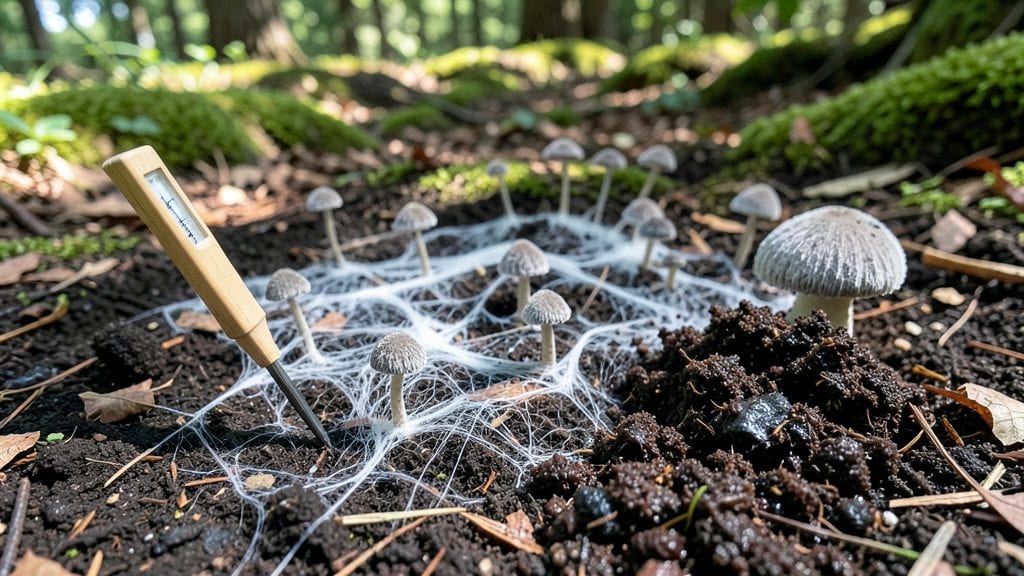
A thriving fungus garden soil balance is the key to preventing damping-off, root rot, and other fungal blights—without resorting to harsh chemicals that disrupt the ecosystem. ✨ I’ve spent years testing soil amendments to create a natural defense against these issues. soil ecosystem.
The key lies in balancing organic matter, beneficial microbes, and proper drainage to starve harmful fungi while nurturing the good ones.
Most gardeners overlook the fact that 90% of plant health depends on soil biology, not just nutrients. My recipe combines composted hardwood bark, mycorrhizal inoculant, and perlite to improve aeration while introducing beneficial fungi that outcompete pathogens.
This isn’t just about adding amendments—it’s about rebuilding soil structure to prevent fungal pressure from the start.
Within 4-6 weeks, you’ll see stronger root systems and fewer signs of fungal stress. Plants will develop thicker, disease-resistant stems and recover faster from transplant shock. The best part? This approach works for vegetables, perennials, and even houseplants, making it a versatile solution for any garden.
For those dealing with chronic fungal issues, this method reduces reliance on chemical fungicides by 70-80% over time. The soil becomes a self-sustaining ecosystem where beneficial fungi thrive—just like nature intended. Ready to transform your garden’s foundation?
Root Causes Of Soil Fungus
Fungal growth in garden soil isn’t just a random nuisance—it’s often the result of specific environmental and biological factors. Understanding these causes helps you take targeted action to protect your plants and maintain a healthy garden ecosystem.
Let’s break down the key reasons why fungus thrives in your soil and how it disrupts your garden’s balance.
Fungi love damp conditions, and overwatered or poorly drained soil creates the perfect breeding ground. When soil stays soggy for extended periods, oxygen levels drop, and fungal spores—like those from Phytophthora or Pythium—thrive in these anaerobic (low-oxygen) environments.
Even well-draining soils can become problematic if water pools around roots or if you water at the wrong times (e.g., late in the day when evaporation slows).
Why it matters: Excess moisture weakens plant roots, making them more susceptible to fungal infections like root rot. Over time, this can stunt growth, yellow leaves, and even kill plants.
Actionable fix:
- ✅ Test your soil’s drainage by digging a hole, filling it with water, and timing how long it takes to drain. Ideal drainage should take 4–6 hours.
- ✅ Amend heavy clay soils with compost or perlite to improve aeration.
- ✅ Water deeply but infrequently, encouraging roots to grow deeper and reducing surface moisture.
While compost and mulch enrich soil, too much undecomposed organic matter can fuel fungal growth. Fungi break down complex organic materials like fallen leaves, grass clippings, or wood chips—but if decomposition slows (due to cold temps or lack of microbes), fungi dominate instead of beneficial bacteria.
This creates a fungus-dominated soil ecosystem, crowding out helpful microbes.
Why it matters: A soil overrun with fungi can lead to damping-off in seedlings, mold on mulch, and weakened plant defenses against pests.
Actionable fix:
- 🔥 Balance your carbon-to-nitrogen (C:N) ratio: Use a mix of green manure (high nitrogen, like clover) and browns (high carbon, like straw) in compost.
- 🌡️ Speed up decomposition by turning compost piles regularly and keeping them moist but not waterlogged.
- 🚫 Avoid fresh wood chips near plants—they decompose slowly and can harbor harmful fungi like Armillaria (honey fungus).
Fungi are cold-loving opportunists. While some thrive in warm, humid conditions (like Botrytis causing gray mold), others—such as Sclerotinia—prefer cooler temperatures (50–70°F). High humidity (above 75%) without airflow creates a fungal paradise, especially in greenhouses or shaded gardens.
Even brief periods of high moisture (like after rain or overhead watering) can trigger spore germination.
Why it matters: Temperature and humidity stress plants, making them more vulnerable to fungal infections. For example, Powdery mildew spreads rapidly in warm, humid conditions on susceptible plants like cucumbers or roses.
Actionable fix:
- 🌡️ Monitor microclimates: Use a soil thermometer and hygrometer to track conditions in different garden zones.
- 💨 Improve airflow with proper spacing between plants and pruning dense foliage.
- ⏰ Water in the morning to allow foliage to dry quickly, reducing humidity near plants.
A healthy soil ecosystem is a delicate balance between fungi, bacteria, protozoa, and beneficial microbes. When this balance tips—often due to synthetic fertilizers, pesticides, or poor soil management—fungi can dominate. For example:
- Chemical fertilizers (high in nitrogen) can suppress beneficial bacteria and protozoa, leaving fungi unchecked.
- Overuse of fungicides can kill off competing microbes, allowing resistant fungal strains to flourish.
- Lack of diversity in plantings reduces natural fungal predators (like Trichoderma fungi) that keep harmful species in check.
Why it matters: A fungal-dominated soil weakens plant immunity, making crops more prone to blight, wilting, and stunted growth.
Actionable fix:
- 💡 Boost beneficial microbes with compost tea, mycorrhizal inoculants, or biochar to restore balance.
- 🌿 Rotate crops to prevent fungal buildup in the soil (e.g., avoid planting tomatoes in the same spot yearly).
- 🚫 Avoid synthetic fungicides—opt for copper-based sprays or neem oil as targeted treatments.
By addressing these root causes, you can shift your soil’s microbial balance toward a fungus-resistant, plant-supportive environment. The key is prevention through proper drainage, organic matter management, and microbial diversity—not just treating symptoms after they appear.
Quick Fixes for Fungal Soil Issues
Fungal problems in your garden soil can feel like a stubborn opponent, but with the right strategies, you can restore balance and protect your plants. Below, we’ve mapped common causes to practical solutions—plus prevention tips to keep your soil healthy long-term.
Cause: Poor drainage, heavy clay, or waterlogging creates the perfect breeding ground for fungi. Fix:
- 🔥 Amend the Soil: Mix in coarse sand, perlite, or coconut coir (1 part amendment to 3 parts soil) to improve aeration and drainage. For clay-heavy soil, add composted bark or peat moss to break up compaction.
- 🍳 Build Raised Beds: If your garden sits in a low spot, elevate plant beds with wooden frames or bricks to encourage runoff.
- ⏰ Water Wisely: Water deeply 2–3 times per week (early morning) instead of daily shallow watering. Use a soaker hose to deliver moisture directly to roots.
💡 Pro Tip: Test your soil’s drainage by filling a jar with soil and water, then timing how long it takes to drain. Ideal time: 30–60 minutes.
Cause: Fungi thrive when beneficial bacteria and fungi (like Trichoderma or mycorrhizae) are outcompeted. Fix:
- 👨🍳 Add Microbial Boosters:
- Compost tea (brew aerobically for 24–48 hours) to introduce bacteria and fungi that outcompete pathogens.
- Worm castings (1 cup per gallon of soil) for natural immune-boosting compounds.
- Biochar (activated charcoal) to absorb toxins and improve soil structure.
- 🌡️ Adjust pH: Most fungi prefer slightly acidic to neutral soil (pH 6.0–7.0). Test your soil and amend with lime (to raise pH) or sulfur (to lower pH) as needed.
✨ Prevention: Rotate crops annually and plant fungal-resistant varieties (e.g., Marigolds or Garlic as companion plants).
Cause: Nutrient deficiencies or imbalances weaken plants, making them susceptible to fungal attacks. Fix:
- 🥗 Feed with Organic Matter:
- Aged compost (2–3 inches mixed into the topsoil) provides slow-release nutrients and improves structure.
- Fish emulsion or seaweed extract (1 tbsp per gallon of water) for a quick potassium boost (critical for fungal resistance).
- 🍎 Avoid Over-Fertilizing: Too much nitrogen (from synthetic fertilizers) weakens roots. Use a balanced 5-5-5 or 3-4-6 fertilizer instead.
🎯 Prevention: Mulch with straw or wood chips (2–3 inches) to retain moisture, regulate temperature, and block spore spread.
If your garden is prone to fungal outbreaks, create a natural shield with these barriers:
- 🔪 Copper Tape: Wrap copper-based fungicide tape around raised beds to disrupt fungal spores.
- 🌿 Plant Fungus-Repelling Herbs: Interplant thyme, rosemary, or oregano—their essential oils inhibit fungal growth.
- 🧼 Solarize Soil (For Severe Cases): Cover soil with clear plastic sheeting for 4–6 weeks in hot sun to kill pathogens (best in late spring/early summer).
Final Reminder: Fungal issues often return if the root cause isn’t addressed. Test your soil annually, rotate crops, and practice good hygiene (remove infected plants immediately, sterilize tools with rubbing alcohol).
With these fixes, your soil will shift from a fungal hotspot to a thriving, balanced ecosystem—keeping your garden lush and disease-free! 🌿💚
Frequently asked questions about soil fungal balance
How do I tell if my soil has too much fungus?
Look for moldy patches, white or black thread-like strands (mycelium), or a musty smell in damp areas. Seedlings collapsing at the soil line (damping-off) or plants developing yellowing leaves with no pests are classic signs. Test your soil by mixing 1 part soil to 1 part water—if it smells sour or has visible fungal growth after 24 hours, your soil is fungus-dominated.
Can I still use compost if it causes fungal issues?
Yes, but only aged compost (fully decomposed, 6+ months old) that’s hot-composted (reaches 140°F+). Fresh compost can introduce pathogenic fungi. For immediate use, blend compost with perlite or biochar (1:1 ratio) to improve aeration and reduce fungal dominance.
What’s the fastest way to reduce harmful fungi in my soil?
Solarization is the quickest method: Cover moist soil with clear plastic for 4–6 weeks during hot weather (85°F+). The trapped heat kills fungal spores. For smaller areas, mix in food-grade diatomaceous earth (1 cup per 10 sq ft)—it physically disrupts fungal cell walls without chemicals.
Are all fungi bad for garden soil?
No! Mycorrhizal fungi (like Glomus) form beneficial partnerships with plant roots, improving nutrient uptake. The key is balance—pathogenic fungi (e.g., Phytophthora) thrive when beneficial microbes are suppressed. Use mycorrhizal inoculants to encourage good fungi while addressing drainage or overwatering to starve the bad ones.
How often should I test my soil for fungal balance?
Test annually in spring (before planting) and after major amendments (e.g., adding compost or mulch). Use a soil fungal/bacterial test kit ($20–$30) to check ratios—ideal soil has 3:1 bacteria-to-fungi. If fungi exceed 50% of microbes, take corrective action immediately.