Pests
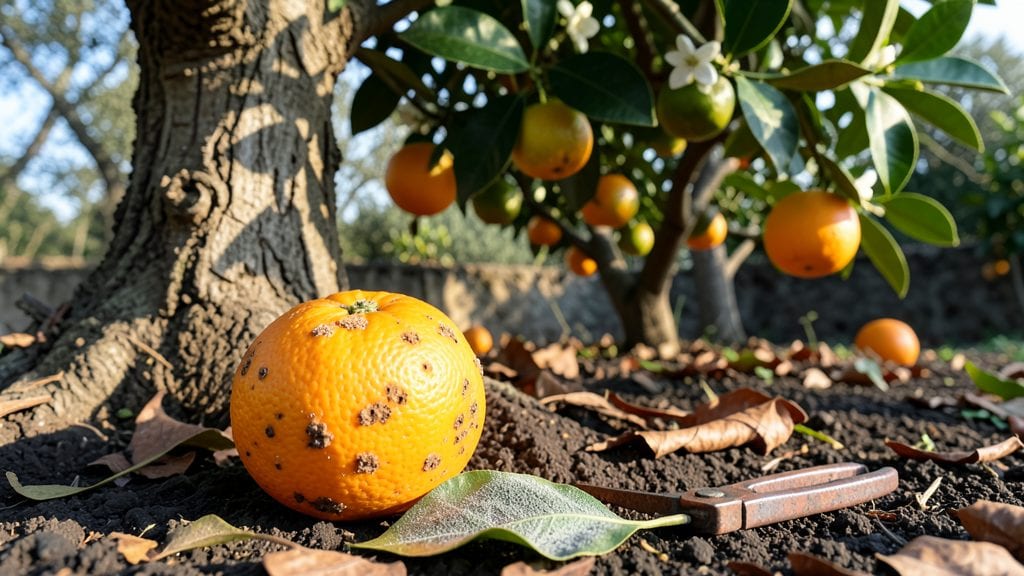
That bright orange fungus creeping across your garden beds isn't just unsightly—it's a sign your plants are under siege. 🌱 I've wrestled with this stubborn invader in my own yard, and what I learned changed how I treat fungal outbreaks for good.
The key isn't brute-force chemicals but understanding why it shows up and how to remove it without damaging the very plants you're trying to save.
Most gardeners grab the strongest fungicide at the first sign of orange growth, but that approach often backfires. The fungus thrives in damp, shaded conditions, so fixing the environment—better drainage, proper spacing, and airflow—does more than any spray.
I've found that a simple mix of baking soda, water, and a drop of dish soap works faster than store-bought chemicals, and it won't harm beneficial insects or soil life.
By the time you're done, your garden will look refreshed, and your plants will bounce back stronger. The orange patches will vanish, and you'll avoid the chemical residue that lingers in the soil.
This method even works on lawns, mulch beds, and container gardens—no matter where the fungus takes hold, you'll know exactly how to tackle it.
Here's the best part: prevention is easier than you think. A few simple adjustments to your watering routine and plant selection can keep this problem from ever returning. Let's get your garden back to healthy—and keep it that way for good.
Root Causes Of Fungal Growth
That mysterious orange fungal bloom in your garden isn’t just an eyesore—it’s a sign of underlying issues. Understanding why it appears helps you address the real problem, not just the symptoms.
Below, we break down the key triggers of this fungal overgrowth, from environmental factors to gardening habits that invite it.
Fungi thrive in damp, oxygen-deprived conditions. When soil stays soggy for too long—whether from overwatering, heavy rainfall, or compacted soil—it creates the perfect breeding ground for orange fungal colonies like Armillaria or Heterobasidion.
- Why it happens: Fungal spores germinate when moisture levels stay above 30% for extended periods. Poor drainage traps water at root zones, starving plant roots of oxygen while feeding fungal hyphae.
- Actionable fix:
- Test soil drainage: Dig a 12-inch hole, fill it with water, and time how long it takes to drain. If it takes <6 hours, amend soil with perlite or sand.
- Water deeply but less often: Aim for 1–1.5 inches per week (including rain) and avoid wetting foliage.
- Mulch strategically: Use 3–4 inches of organic mulch (wood chips, straw) to regulate moisture but keep it 2 inches away from plant stems to prevent rot.
Leaves, fallen branches, and old mulch aren’t just garden clutter—they’re fungal buffets. Decaying plant matter releases sugars and cellulose, which fungi feast on, accelerating orange growth.
- Why it happens: Fungi like Laetiporus (the "chicken-of-the-woods" lookalike) colonize dead wood and leaf litter, using it as a nutrient source. The more debris, the faster they spread.
- Actionable fix:
- Clear debris regularly: Remove fallen leaves, dead plants, and wood chips from garden beds quarterly.
- Compost correctly: Only compost small, green plant clippings (not large branches or diseased wood). Turn piles weekly to heat them up and kill spores.
- Avoid "lasagna gardening" pitfalls: While sheet mulching is great, don’t layer too many carbon-rich materials (like untreated wood chips) without balancing them with nitrogen (grass clippings, manure).
Fungi are cold-loving opportunists. While they can appear in summer, they peak in spring and fall when temperatures hover between 50–75°F (10–24°C) and humidity stays high.
- Why it happens:
- Cool, wet springs: Fungal spores overwinter in soil and erupt when daytime temps rise but nights stay chilly.
- Humid summers: High humidity (above 70%) slows evaporation, keeping soil and foliage damp longer.
- Shaded areas: Fungi avoid direct sunlight. Thick canopies or dense plantings trap moisture and block UV rays that would otherwise inhibit growth.
- Actionable fix:
- Improve airflow: Prune overgrown plants to increase sunlight penetration and reduce humidity near the soil.
- Adjust watering times: Water early morning (before 10 AM) so foliage dries by evening.
- Use row covers or shade cloths: In humid climates, 30% shade cloth can lower soil moisture levels by 10–15%.
Stressed plants can’t fight off fungal invaders. When roots, leaves, or stems are compromised—by pests, nutrient deficiencies, or disease—they become easy targets for orange fungal takeovers.
- Why it happens:
- Nutrient deficiencies: Low nitrogen or phosphorus weakens roots, making them vulnerable to fungal root rot.
- Pest damage: Insects like root maggots or aphids create entry points for fungi.
- Transplant shock: Newly planted trees or shrubs with disrupted root systems are prime fungal hosts.
- Actionable fix:
- Boost plant health: Apply a balanced fertilizer (10-10-10) in early spring and phosphorus-rich compost (bone meal) to strengthen roots.
- Monitor for pests: Use neem oil or soapy water sprays to control aphids and mites before they cause damage.
- Mulch with mycorrhizal fungi: Products like Mycorrhizal Inoculant help beneficial fungi outcompete pathogens.
Fungal spores are sneaky hitchhikers. They lurk in compost, potting mix, or even your gardening tools, waiting for the right conditions to strike.
- Why it happens:
- Reused contaminated soil: If you’ve had fungal issues before, spores may still be dormant in the soil.
- Dirty tools: Pruners, shovels, or rakes can transfer spores from infected plants to healthy ones.
- Infested mulch or compost: Untreated wood chips or homemade compost from diseased plants can reintroduce fungi.
- Actionable fix:
- Sterilize tools: Wipe blades with 70% isopropyl alcohol or soak in a 1:10 bleach-water solution (rinse well).
- Use fresh potting mix: Avoid garden soil for container plants—opt for sterilized or pasteurized mixes.
- Solarize soil: In warm climates, cover infected soil with clear plastic for 4–6 weeks to bake out spores (temps must reach 122°F/50°C).
Practical Removal & Prevention Guide
Now that you understand why an orange fungus garden (often caused by Armillaria or Heterobasidion root rot) invades your yard, it’s time to act. The good news? You can tackle this issue without harming nearby plants—if you follow the right steps.
Below, we break down cause-specific fixes and preventive measures to keep your garden healthy and fungus-free.
Problem: Dead or dying trees/stumps harbor fungal spores that spread underground.
Fix It: ✅ Remove the Source 🪓
- Use a stump grinder or axe to fully excavate the infected wood (including roots).
- Burn or chip the debris—do not compost—as spores can survive in soil.
✅ Apply Fungicide Barrier 🛡️
- Treat exposed roots with a copper-based fungicide (like Copper Sulfate) or phosphite sprays (e.g., Sonata).
- For severe cases, soil solarization (covering infected areas with clear plastic for 4–6 weeks in summer) can kill spores.
✅ Replace Contaminated Soil 🌱
- If the fungus is deep-rooted, dig out 12–18 inches of soil around infected plants and replace with sterilized or fresh topsoil.
Problem: Visible orange or honey-colored mushrooms signal an underground network of fungal threads (mycelium).
Fix It: ✅ Smother the Mushrooms 🌡️
- Cover the area with cardboard + mulch (6+ inches thick) to block sunlight and suffocate spores.
- Avoid tilling—this spreads mycelium deeper into the soil.
✅ Boost Beneficial Microbes 🦠
- Add compost tea or mycorrhizal fungi (like Trichoderma) to outcompete harmful pathogens.
- Plant resistant species (e.g., pines, oaks, or perennials like lavender) that deter fungal growth.
✅ Adjust Watering Habits 💧
- Water deeply but infrequently (1–2 times per week) to prevent soggy soil—fungus thrives in wet conditions.
- Improve drainage by amending soil with perlite or sand if clay-heavy.
Problem: Weakened trees (yellowing leaves, oozing sap, or dieback) signal systemic infection.
Fix It: ✅ Prune Strategically ✂️
- Remove and destroy (burn or bag) all infected branches—sterilize pruners with rubbing alcohol between cuts.
- Avoid pruning in wet weather to reduce spore spread.
✅ Strengthen Tree Health 💪
- Fertilize with slow-release, organic options (like kelp meal or worm castings) to boost immunity.
- Mulch properly (2–4 inches of wood chips, keeping mulch 6 inches away from the trunk).
✅ Monitor for Reinfection 👀
- Check for new mushrooms every 2–3 weeks during rainy seasons.
- Avoid planting susceptible species (e.g., willows, fruit trees) near former infection sites.
Even after removal, fungus can return. Proactively protect your garden with these habits:
💡 🌿 Plant Diversity – Fungus spreads faster in monocultures.
Mix grasses, shrubs, and trees to disrupt mycelial networks. 💡 🪓 Remove Stumps Promptly – Never leave dead wood; grind stumps within 1–2 years of tree removal. 💡 💦 Improve Soil Aeration – Aerate compacted lawns annually to reduce fungal growth zones. 💡 🧼 Sterilize Tools – Clean pruners, shovels, and gloves with bleach solution (1:10 ratio) between uses. 💡 🍄 Avoid Overwatering – Fungus loves moisture; water in the morning to allow foliage to dry.
If the fungus covers large areas (e.g., an entire yard) or valuable trees (like oaks or maples), consider hiring an arborist or plant pathologist.
They can: - Perform soil testing to confirm fungal type. - Recommend targeted treatments (e.g., injection fungicides for trees). - Assess long-term landscape risks before removal.
Final Thought: Patience is key—fungus removal isn’t a quick fix, but with consistent care and prevention, you can reclaim your garden without harming plants. Start with the most infected areas, then expand your defense strategy to keep fungus at bay for good! 🌱✨
Frequently asked questions
Is orange fungus in my garden always harmful?
Not all orange fungi are dangerous! Some, like Laetiporus (chicken-of-the-woods), are harmless and even edible. However, others like Armillaria (honey fungus) or Heterobasidion can spread underground and attack plant roots. Always check for signs of plant stress (yellowing leaves, dieback) before assuming it's safe.
Can I use vinegar to kill orange fungus?
Yes, but with caution! A 1:1 vinegar-water solution (5% acetic acid) can kill surface fungi, but it won't reach underground mycelium. Spray directly on mushrooms and soil, but avoid spraying plants—vinegar can burn foliage. For stubborn cases, reapply every 3-5 days until the fungus disappears.
Will removing the mushrooms stop the fungus from spreading?
No, mushrooms are just the "fruit" of the fungus—the real threat is the hidden mycelium network underground. Simply pulling mushrooms allows spores to spread further. You must address the root cause: remove infected wood, improve drainage, and treat soil with fungicides or beneficial microbes to break the cycle.
How long does it take to eliminate orange fungus completely?
Complete eradication can take 6 months to 2 years, depending on the fungus type and garden conditions. Superficial cases may disappear in 4-6 weeks with consistent treatment, but deep-rooted mycelium requires patience. Monitor for new growth and adjust your approach as needed—prevention is key long-term.
Are there plants that naturally repel orange fungus?
Yes! Planting garlic, chives, thyme, or marigolds near infected areas can help deter fungal growth. These plants release natural compounds that inhibit spore germination. For trees, consider oak, pine, or cedar—they're less susceptible to many common fungal pathogens.