
Advice
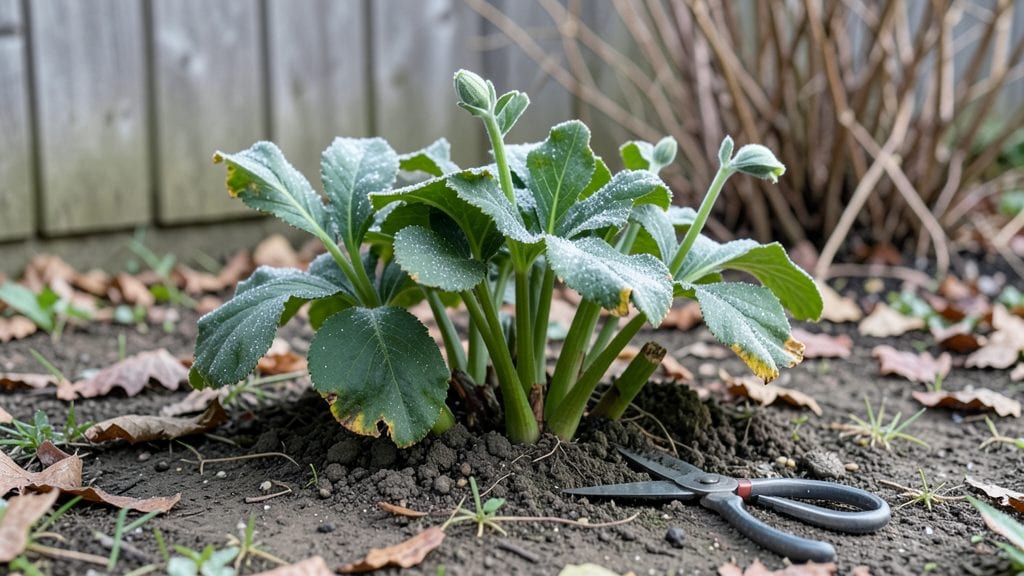
February gardening tasks aren’t just about waiting for spring—they’re about seizing the chance to get frost-resistant crops in the ground early. ✨ I still remember the year I planted peas on Valentine’s Day and had my first harvest by Easter, beating my neighbors who waited until March.
The key is knowing which plants can handle late frosts and which chores will set you up for success once the soil warms.
The right tools make all the difference: a soil thermometer to check for workable ground (50°F+), frost cloth for tender seedlings, and a sharp spade for clearing winter debris. Start seeds indoors for lettuce, spinach, and kale—they’ll be ready to transplant by late March.
Meanwhile, prune fruit trees and clean up garden beds to prevent disease buildup. Even in cold climates, February gives you a head start on the season.
By March, you’ll be harvesting those early peas and greens, with the rest of your garden humming along without a hitch. The payoff? A longer growing season, fresher produce, and the quiet satisfaction of beating the rush.
Plus, you’ll avoid the spring planting chaos when everyone else is scrambling. Let’s make this your most productive February yet.
Whether you’re working with a backyard plot, containers, or a community garden, these tasks adapt to your space. Just keep an eye on the forecast—some years, you’ll push the limits, and others, you’ll play it safe.
That’s how you learn what works in your zone. Now grab your gloves and let’s get started!
📚 In This Guide
- What you need
- Instructions
- Tips and common mistakes
- Wrapping up and next steps
What you need
- ● Garden Gloves (2 pairs): Choose nitrile-coated or leather for durability and grip.
- ● Hand Trowel (1): A stainless steel or ergonomic trowel (5–7 inches long) for precise planting.
- ● Pruners (1 pair): Bypass pruners for clean cuts on frost-damaged plants or early pruning tasks.
- ● Garden Fork (1): A heavy-duty, 4-tine fork (18–24 inches) for aerating soil and mixing compost.
- ● Wheelbarrow or Large Bin (1): For hauling soil, compost, or mulch (1–2 cubic feet capacity).
- ● Soil Thermometer (1): Digital or analog to monitor soil temperature (aim for 40–50°F for early crops).
- ● Seed Starting Trays (2–4): Biodegradable pots or plastic cell trays (72–144 cells) for frost-hardy seedlings.
- ○ Seedling Heat Mat (optional): For warmth-loving starts like tomatoes or peppers (set to 70–75°F).
- ● Cold Frame or Row Covers (1–2): Frost cloth (30–50% shade) or a clear plastic tunnel to extend the season.
- ● Compost or Well-Rotted Manure (5–10 gallons): Mix 1–2 inches into garden beds for nutrient boost.
- ● Mulch (Straw or Wood Chips, 1–2 bags): 2–3 inches to insulate soil and retain moisture.
- ● Frost-Resistant Seeds (2–3 varieties): Peas (sugar snap or snow peas)
- ● Spinach or Kale (cold-hardy greens)
- ● Radishes (fast-growing)
- ● Onions or Garlic (hardneck varieties)
- ● Slow-Release Fertilizer (1 bag): 10-10-10 or organic options like fish emulsion.
- ● Hose with Adjustable Nozzle (1): For gentle watering (avoid overhead spraying in frost).
- ● pH Test Kit (1): Ensure soil pH is 6.0–7.0 for optimal nutrient uptake.
- ● Plant Labels (50–100): Waterproof markers or stakes to track frost-resistant varieties.
- ○ Compost Thermometer (optional): Monitor pile temperature (120–160°F for fast decomposition).
- ● Bird Netting (1 roll): Protects early seedlings from pecking pests.
- ● Reusable Watering Can (1): For targeted hydration of seedlings.
Step-by-step February gardening tasks for frost-resistant crops
February is all about preparation—lay the groundwork for a thriving spring garden.
🌱 Step 1: Plan and Organize Your Planting Schedule
Start by mapping out your frost dates and soil conditions. Most frost-resistant crops like peas, spinach, and kale can handle light freezes, so check your local last-frost date—typically mid-to-late March in most regions. I jot down the 4-6 week window before the last frost to know when to start seeds indoors or outdoors.
Sketch a simple garden layout or use graph paper to plan where each crop will go. Group plants with similar needs together—cool-season crops like lettuce and radishes thrive in 50-60°F soil, while hardy greens like Swiss chard can handle 40°F. This ensures you’re not overcrowding or competing for resources.
🌿 Step 2: Prepare Soil and Amendments
Even in February, you can improve soil health before planting. Start by testing your soil’s pH—most vegetables prefer a range of 6.0-7.0. If your soil feels compacted or clay-heavy, add 2-3 inches of compost and till it in lightly. I use a broadfork to aerate without disturbing the soil structure too much.
For raised beds, mix in 1-2 inches of aged compost or well-rotted manure to boost nutrients. Avoid fresh manure, which can burn tender roots. If your soil is sandy, add a layer of organic matter to help retain moisture—this is especially important for crops like carrots and beets, which need consistent dampness.
✂️ Step 3: Start Seeds Indoors or Direct-Sow Hardiest Crops
Now’s the time to kickstart your growing season indoors. Begin with slow-growing crops like broccoli, cabbage, and Brussels sprouts, which need 8-10 weeks to mature. Fill seed trays with seed-starting mix and plant seeds ¼ inch deep, covering lightly. Keep them in a warm spot (65-75°F) until germination.
For direct sowing outdoors, focus on fast-growing, cold-tolerant crops like peas, spinach, and radishes. Wait until the soil reaches at least 40°F—you’ll know it’s ready when a handful compresses but doesn’t stick together. Sow seeds ½ inch deep and water gently to settle the soil without washing them away.
💧 Step 4: Protect and Mulch Existing Plants
If you have overwintering crops like garlic, onions, or hardy greens, give them a little extra care. Add a 2-3 inch layer of straw or shredded leaves as mulch to insulate roots from temperature swings. This also suppresses weeds and retains moisture—critical when February rains can turn to drought overnight.
Check for signs of pests or disease, like chewed leaves or moldy growth. Remove any affected plants immediately to prevent spread. I like to spray a light solution of neem oil on susceptible plants as a preventive measure, especially if you’ve had issues in past years.
☀️ Step 5: Extend the Season with Cold Frames or Row Covers
If you’re eager to grow more, set up cold frames or row covers over early plantings. These simple structures trap heat and protect tender seedlings from late frosts. Place them over broccoli, kale, or lettuce to give them a head start—you’ll see faster growth and larger harvests by spring.
Remove covers on warm days (above 50°F) to prevent overheating, which can scorch young plants. Monitor closely for the first few days—if leaves look wilted, it’s a sign the plants need airflow. A small gap in the cover or venting can make all the difference.
Tips & tricks for perfect February gardening prep
February's chilly weather doesn't mean your garden should be dormant—these practical tips will help you maximize your early-season prep for frost-resistant crops.
Frost Date Research: Don't rely solely on national averages for your last frost date—local microclimates can vary by weeks. I always check my local cooperative extension service or use a frost calendar app that incorporates elevation and nearby water bodies. This 4-6 week window before your last frost is your golden opportunity to start seeds indoors for broccoli and cabbage, which need those 8-10 weeks to mature before spring.
Soil Temperature Testing: The 40°F soil temperature threshold for direct sowing is just a starting point—your soil's readiness depends on crop type. For lettuce and radishes, aim for 50-60°F soil to ensure faster germination. I use a soil thermometer inserted 2-3 inches deep in the morning when soil is coolest. If your soil runs cold, consider using black plastic mulch for 2-3 weeks before planting to warm it up naturally.
Cold Frame Ventilation: When using cold frames to extend your season, remember that above 50°F temperatures can quickly become dangerous. I install a simple venting system using a hinged lid with a 1-inch gap at the top—this allows heat to escape while still protecting plants from light frosts. Check plants daily and adjust venting based on weather forecasts. A wilted leaf is your first warning sign that it's time to open that vent wider.
Seed Starting Organization: Labeling your seed trays is non-negotiable when starting multiple varieties. I use small plant markers with the variety name and date planted—this saves headaches when seedlings look similar. For slow-growing crops like Brussels sprouts, consider using heat mats (65-75°F) to speed up germination. Place trays on the heat mat until you see sprouts, then move to a sunny windowsill or under grow lights for consistent growth.
Pro Tips for February Gardening Tasks
- February's chilly weather doesn't mean your garden should be dormant—these practical tips will help you maximize your early-season prep for frost-resistant crops.
- Frost Date Research: Don't rely solely on national averages for your last frost date—local microclimates can vary by weeks.
- Soil Temperature Testing: The 40°F soil temperature threshold for direct sowing is just a starting point—your soil's readiness depends on crop type.
Frequently asked questions
Got questions about February gardening? You're not alone!
Here are answers to the most common queries to help you prep like a pro.
What can I plant in February if there’s still frost?
Focus on cold-hardy crops like kale, spinach, peas, and lettuce. These thrive in cooler temps (down to 20°F/-7°C). For extra protection, use row covers or plant in containers you can move indoors if frost hits unexpectedly.
Should I start seeds indoors or wait for warmer soil?
February is perfect for indoor starts—think tomatoes, peppers, and herbs. Use grow lights to prevent leggy seedlings. Wait to direct-sow frost-tolerant veggies (like carrots or radishes) until soil temps rise above 40°F (4°C) or after your last frost date.
Can I reuse last year’s compost or soil?
Yes, but refresh it! Mix in compost to replenish nutrients and improve drainage. Avoid reusing soil from diseased plants—sterilize with heat (200°F/93°C for 30 mins) or replace it. A quick soil test kit can help diagnose deficiencies before planting.
How do I extend the growing season in cold climates?
Try season extenders like cold frames, hoop houses, or low tunnels. Even a simple plastic dome over seedlings can add 2–4 weeks of growing time. For late-winter crops, plant microgreens indoors—they grow fast in just sunlight and water!
What tools do I really need for February gardening?
Prioritize a sturdy trowel, pruners, and a soil thermometer. A wheelbarrow helps move heavy mulch or compost, and gloves protect hands from cold soil. Skip fancy gadgets—focus on basics first!
Still stuck? Drop your question in the comments—we’re happy to help!
Wrapping up and next steps
February is your chance to lay the groundwork for a thriving garden—even in cooler climates!
By tackling early planting tasks like cold-hardy crops, soil prep, and protective measures, you’re setting yourself up for a bountiful harvest as temperatures rise. 🌱 Don’t let the chill discourage you; small steps now mean big rewards later.
Ready to dive in? Start with one task this week—whether it’s sowing spinach, planning your layout, or gathering supplies. Your future self (and your dinner plate!) will thank you.