
Planting
Cincinnati's gardening zone includes USDA Hardiness Zones 6a to 6b, with some areas reaching 5b and 7a, creating frost dates from mid-October to late April. This classification helps you choose plants that survive Cincinnati's seasonal shifts, from hardy perennials to seasonal vegetables.
Cincinnati's varied geography—from the Ohio River's moderating influence to urban heat pockets—creates microclimates that can shift your garden's growing conditions by 5°F or more between neighborhoods. 🌿 For example, downtown areas often experience earlier last frosts than northern suburbs, which affects when you can plant tomatoes or when to prune roses.
The USDA zone map serves as your baseline, but local observations (like tracking your own frost dates for 3 years) refine your planting strategy for maximum success.
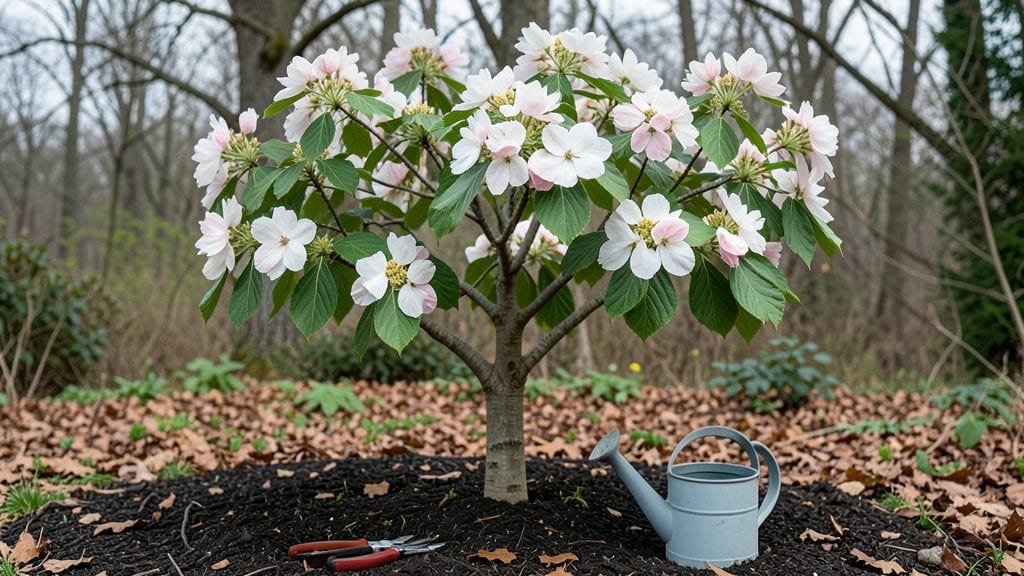
This zone range explains why apple trees thrive here but citrus plants fail—Cincinnati's winters simply don't provide the consistent warmth needed. The good news? You can push boundaries with cold-hardy varieties like 'Liberty' apples or Russian sage, which handle Zone 5b conditions while still producing stunning blooms and harvests.
💡 In This Article
- How Cincinnati’s Climate Affects Plant Survival
- Best Plants and Planting Schedule for Cincinnati Gardens
How Cincinnati’s climate affects plant survival
Cincinnati's geography creates a patchwork of growing conditions where elevation, water bodies, and urban development play starring roles. The Ohio River acts like a giant heat sink, moderating temperatures along its banks by 3-5°F warmer than inland areas during winter.
Meanwhile, downtown's concrete jungle traps heat, creating urban heat islands that can delay first frosts by 1-2 weeks compared to rural areas. At 700-800 feet elevation, northern neighborhoods experience colder microclimates that push into Zone 5b, while southern exposures near the river often reach Zone 7a.
The city's frost dates aren't just about averages—they're about extreme events. While the USDA map shows Zone 6a's average last frost at April 15, extreme cold snaps can push it to May 10 in vulnerable areas.
This variability explains why tulips (hardy to Zone 3) thrive in northern Cincinnati but may need winter mulch in southern exposures. The same logic applies to apple trees—varieties like 'Honeycrisp' (Zone 4) grow well here, but 'Fuji' (Zone 5) might struggle in colder microclimates without protection.
Here's what this means for your garden: The river's influence creates a 200-foot transition zone where temperatures shift dramatically. Plant peony roots (Zone 3) on north-facing slopes for winter protection, but place roses (Zone 4) on south-facing walls to extend their growing season.
Urban gardeners can exploit heat islands by planting tomatoes 2 weeks earlier than rural neighbors, while those in Zone 5b areas should wait until after May 20 to avoid frost damage.
The science behind these variations involves albedo effects—dark pavement absorbs heat during the day and radiates it at night, creating warmer pockets. Meanwhile, the Ohio River's large mass of water releases heat slowly, preventing rapid temperature drops.
This is why winter-hardy herbs like thyme (Zone 5) survive downtown but may need winter cover in colder suburbs. The key is observing your specific microclimate for 3 years to refine your planting schedule beyond the USDA guidelines.
Consider these local factors when selecting plants:
- Soil moisture: River-adjacent areas stay 10-15% wetter longer than inland sites, favoring moisture-loving perennials like hostas (Zone 3)
- Wind exposure: Open areas experience 20% more wind chill, requiring windbreaks for delicate plants like clematis (Zone 3-9)
- Urban pollution: Downtown air contains 0.05 ppm more ozone, which can stress sensitive plants like lavender (Zone 5)
The most resilient plants for Cincinnati combine cold tolerance with adaptability to these variations. Russian sage (Zone 4) handles both urban heat and cold snaps, while 'Gertrude Jekyll' roses (Zone 4) thrive in both river-adjacent and inland conditions.
For vegetables, Swiss chard (Zone 2) outperforms lettuce in Cincinnati's hot summers, while kale (Zone 3) provides winter greens when other crops fail.
What most gardeners don't realize is that Cincinnati's climate creates a 14-day window between when the USDA map suggests planting and when local conditions actually allow it.
Track your own frost dates for just 2 seasons** to discover your true planting zone—this small adjustment can mean the difference between a thriving garden and a failed crop. 💫