
Planting
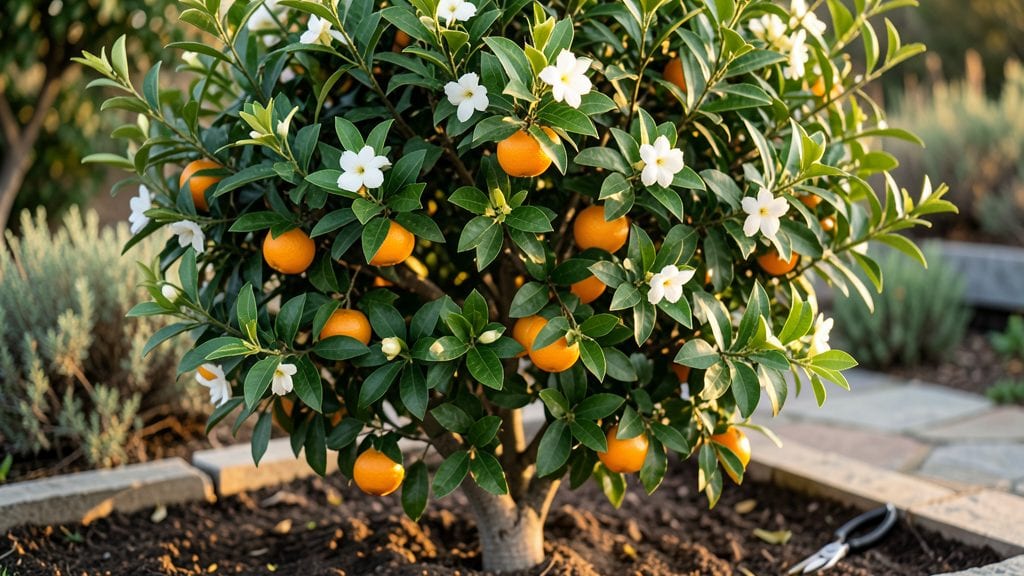
Zone 10 gardening lets you grow tropical and subtropical plants like hibiscus, citrus, and avocado year-round thanks to frost-free winters and extended growing seasons. Prioritize moisture control, strategic shade placement, and seasonal planting shifts to keep yields strong without frost damage risks.
This climate zone's mild winters and high humidity create perfect conditions for frost-sensitive plants, but the real secret lies in managing soil moisture and temperature fluctuations. 🌿 Unlike cooler zones, Zone 10 gardens can grow heat-loving crops like mangoes and papayas year-round, though summer heat may require afternoon shade.
The key is balancing water needs—many tropical plants wilt quickly in dry heat, while others rot in soggy soil. I've found that drip irrigation systems with timers solve this perfectly, letting you automate watering while preventing over-saturation.
Another critical factor is understanding microclimates within your garden.
A north-facing wall might stay cooler than the open sun, creating pockets where you can grow heat-sensitive greens alongside tropical fruits. 🌞 For example, I plant basil and lettuce near my fence line where afternoon shade naturally occurs, while keeping my citrus trees in full sun.
This zoning approach maximates space and extends the growing season for both heat-lovers and moderate-climate plants.
💡 In This Article
- Understanding Zone 10 Climate and Plant Hardiness
- Seasonal Planting Guide for Zone 10 Gardens
Understanding Zone 10 climate and plant hardiness
Zone 10's defining feature is its frost-free winters, where average annual minimum temperatures stay above 30°F. This creates a unique ecosystem where tropical plants like papaya and banana can grow outdoors year-round, unlike in cooler zones where they require greenhouse protection.
The high humidity—often exceeding 70%—combines with consistent warmth to create ideal conditions for subtropical species that would struggle in drier climates.
The USDA's Zone 10 classification actually spans two subcategories: Zone 10a (30-35°F) and Zone 10b (35-40°F). This matters because plants like citrus trees thrive in 10b's milder winters, while more cold-hardy varieties like meyer lemons can survive brief dips to 28°F.
Soil temperatures play an equally crucial role—root zones need to stay above 55°F for most tropical plants to establish properly, which is why mulching with 3-4 inches of organic matter is essential.
What makes Zone 10 gardening so rewarding is how it eliminates seasonal limitations. Unlike temperate zones with distinct planting windows, you can grow two crops simultaneously—like tomatoes in summer and kale in winter—because the temperature swings are minimal.
The trade-off? High humidity demands vigilance against fungal diseases like powdery mildew, which is why proper airflow and fungicide sprays become routine maintenance. 🌿
Microclimates within Zone 10 gardens create additional complexity. Coastal areas may experience cooler, foggy mornings that protect heat-sensitive greens, while inland regions bake under 100°F+ afternoons that require afternoon shade for tropical fruits.
I've seen avocado trees produce 20% more fruit when planted near reflective surfaces that bounce sunlight, while the same trees struggle when planted in full shade. This spatial variation means successful Zone 10 gardening requires careful observation of your specific conditions.
Seasonal variations exist but are subtle compared to other zones. Summers bring intense sun and potential drought stress, while "winters" (Dec-Feb) might see 50-60°F days with occasional 70°F spikes.
This inconsistency explains why drip irrigation with moisture sensors is a game-changer—it maintains consistent soil moisture without overwatering during rare rainy periods. The result? Plants like hibiscus bloom continuously rather than experiencing seasonal dormancy.
Here's what most gardeners don't realize: Zone 10's lack of frost means pests like aphids and mealybugs thrive year-round.
The warm winters prevent natural population die-offs, so integrated pest management becomes a year-long commitment. 🌱 Using neem oil sprays every 4-6 weeks has been my most effective strategy for keeping tropical plants healthy without chemical residues.