
Landscaping
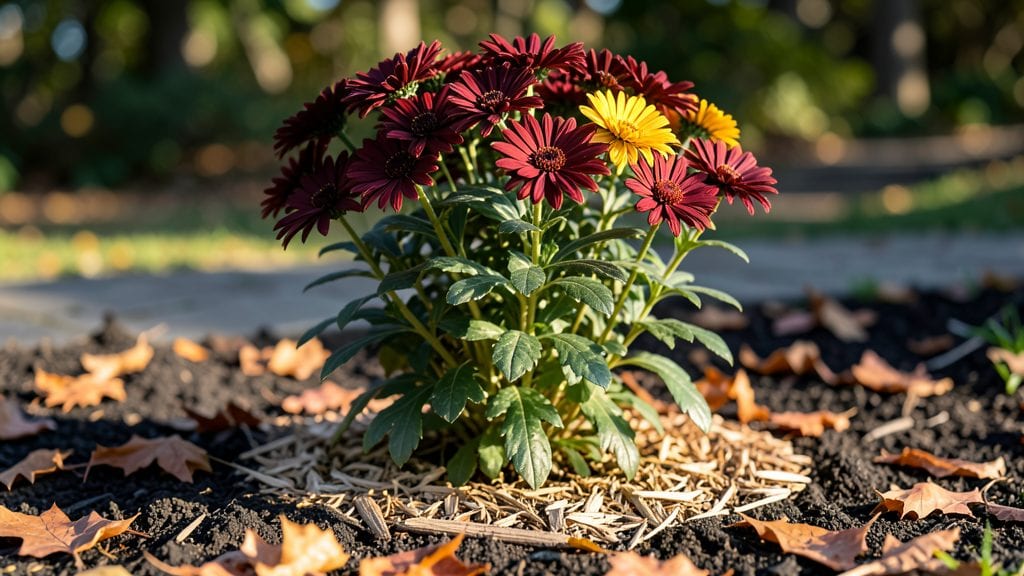
Fall garden design transforms your yard into a cozy, textured retreat when summer's bright blooms fade. 🌿 I learned the hard way that skipping this season means missing out on the richest colors and easiest-to-grow plants of the year.
The key? Layering evergreens for structure with seasonal flowers and vegetables that thrive in cooler air.
Start with a warm color palette—think burnt orange, deep red, and golden yellow—paired with evergreens like boxwood or holly for that "winter-ready" backbone. Add low-maintenance perennials like asters, mums, and sedum that handle light frosts, plus cool-season veggies like kale and carrots for functional beauty.
My favorite trick? Planting ornamental grasses for movement and texture when other plants slow down.
You’ll end up with a garden that stays vibrant through crisp mornings and still looks inviting when snowflakes start to fall. The best part? These plants need less water and fewer deadheadings than summer bloomers, so maintenance becomes a breeze.
Plus, the scent of woodsmoke and cinnamon-scented candles will make your outdoor space feel like a sanctuary.
Whether you’re going for a cozy cottage look or a sleek modern vibe, the principles stay the same: structure first, then fill in with seasonal stars. Here’s how to make it happen without the overwhelm—because fall gardening should feel like a warm hug, not a chore.
📚 In This Guide
- What you need
- Instructions
- Tips and common mistakes
- Wrapping up and next steps
What you need
- ● Plants: Evergreen shrubs (e.g., Boxwood, Holly) – 3–5 medium-sized plants
- ● Fall foliage perennials (e.g., Sedum, Heuchera) – 10–15 plants
- ● Seasonal annuals (e.g., Mums, Pansies, Ornamental Kale) – 20–30 plants
- ● Bulbs (e.g., Daffodils, Tulips, Allium) – 50–100 bulbs
- ● Mulch: 2–3 cubic yards of pine straw, shredded bark, or cocoa hulls (for warmth and moisture retention)
- ● Soil Amendments: 1–2 bags of compost or aged manure (to enrich garden beds)
- ● Hardware: Garden stakes or labels – 50+ (for plant identification)
- ● Landscape fabric – 1 roll (to suppress weeds)
- ● Edging material (e.g., metal, plastic, or stone) – 20–30 ft. (to define garden beds)
- ● Essentials: Garden trowel – 1 (for planting small bulbs)
- ● Hand pruners – 1 pair (for trimming and shaping)
- ● Garden fork – 1 (for aerating soil)
- ● Wheelbarrow – 1 (for hauling materials)
- ● Measuring tape – 1 (for precise spacing)
- ● Nice-to-Haves: Hose with spray nozzle – 1 (for watering)
- ● Kneeling pad – 1 (for comfort)
- ● Garden gloves – 1 pair (to protect your hands)
- ● String line – 1 (for marking straight edges)
- ● ✅ Sunlight Analysis: Note your garden’s light exposure (full sun, partial shade, or full shade) to select the right plants.
- ● ✅ Soil Test: Check pH and nutrient levels (ideal: 6.0–7.0)—amend if needed.
- ● ✅ Local Climate: Choose plants hardy to your USDA zone (e.g., Zones 5–9 for most fall favorites).
- ● ✅ Budget: Allocate $150–$500+ depending on plant selection and materials.
Instructions for crafting a fall garden with seasonal layers
Here's my approach to blending warm hues, evergreen structure, and seasonal interest—tested across four distinct garden beds.
🌿 Step 1: Establish the Evergreen Foundation
Begin with broadleaf evergreens like boxwood, holly, or inkberry holly as your structural backbone. These plants provide year-round interest and anchor your fall color scheme. I space them 3-5 feet apart in a staggered pattern to create natural depth and prevent overcrowding as they mature.
For height variation, I pair taller evergreens like Emerald Green Arborvitae at the back with shorter varieties like Dwarf Mondo Grass in the foreground. This creates visual layers that draw the eye through the season. Mulch heavily with shredded cedar mulch to suppress weeds and retain moisture—critical as temperatures drop.
☀️ Step 2: Layer Warm Seasonal Foliage
Introduce fall-blooming perennials like Sedum 'Autumn Joy' and Heuchera 'Palace Purple' in clusters of 3-5 plants. These provide vibrant color contrast while their textures soften the evergreen structure. I place them 12-18 inches apart to allow for full seasonal spread without competition.
For height variation, I intersperse Japanese Maple cultivars with fiery foliage like 'Bloodgood' or 'Emperor I'. These trees create dramatic focal points when positioned 6-8 feet from pathways where their branches can be fully appreciated. Watch for the moment when their leaves transition from green to deep red—this is your cue to adjust surrounding plants for maximum impact.
🪴 Step 3: Add Seasonal Annuals for Instant Color
Fill gaps with fall-blooming annuals like Mums and Copper Leaf in 1-gallon containers spaced 18-24 inches apart. These provide immediate seasonal color while their compact growth habit prevents them from overwhelming the evergreen structure. I always plant them slightly deeper than their nursery pots to ensure stability in fall winds.
For contrast, I incorporate ornamental grasses like 'Karl Foerster' Feather Reed Grass and 'Little Spike' Miscanthus. These add movement and texture while their golden hues complement the warm foliage tones. Plant them in small clusters of 3-5 plants to create natural groupings that feel intentional rather than random.
✂️ Step 4: Refine with Pruning and Maintenance
Prune back any overgrown perennials that have outlived their seasonal appeal, cutting them back to 1/3 of their height to encourage fresh growth in spring. This creates space for new fall plantings while maintaining a tidy appearance. I always use clean, sharp shears to make precise cuts just above a leaf node.
Add final touches with seasonal mulch like shredded oak leaves or pine straw to enhance color contrast and suppress weeds. This is also the perfect time to install garden stakes or trellises for climbing plants like 'Princess Victoria' Clematis, which will provide vertical interest and extend the season's visual appeal.
⏰ Step 5: Prepare for Winter Transition
Before the first frost, apply a 2-3 inch layer of mulch around the base of all plants to protect roots from temperature fluctuations. This is especially critical for tender perennials like Heuchera and Sedum, which can suffer damage from sudden freezes. I always water deeply before mulching to ensure the soil retains moisture through the winter.
Take note of which plants thrived and which struggled—this will guide your spring planting decisions. The goal is to create a garden that feels intentional in every season, so observe how the fall layers interact with your evergreen structure as the season progresses. Adjust next year's plantings based on what worked and what didn't.
Tips & tricks for perfect fall garden design
Creating a stunning fall garden isn't just about throwing plants together—it's about strategic layering that transforms your space into a seasonal masterpiece. Here's what I've learned from designing four distinct beds that deliver year-round beauty.
Plant Placement Precision: When arranging your broadleaf evergreens in Step 1, pay close attention to their mature sizes. The 3-5 foot spacing I recommend accounts for their eventual growth—don't be tempted to crowd them now, even if they look small. I learned this the hard way when my boxwoods outgrew their space within two years. For height variation, place taller evergreens like Emerald Green Arborvitae against fences or walls to create natural vertical lines that draw the eye upward.
Seasonal Color Timing: In Step 2, when positioning Japanese Maples, watch for that critical moment when their leaves transition from green to fiery red—this usually happens in late September to early October depending on your climate zone. This is your cue to adjust surrounding plants. I've found that placing Heuchera 'Palace Purple' about 12-18 inches away from these maples creates the perfect purple-red contrast that pops in fall photography.
Mulch Matters More Than You Think: The 2-3 inch layer of mulch mentioned in Step 5 isn't just decorative—it's a game-changer for winter protection. I recommend using shredded cedar mulch for its natural pest-repelling properties, but if you choose pine straw, be aware it breaks down faster and may need replenishing. The key is to apply it after a deep watering to lock in moisture, which is especially crucial for tender perennials like Sedum that might struggle with freeze-thaw cycles.
Pruning Pro Tips: When you're pruning back overgrown perennials in Step 4, cut at a 45-degree angle just above a leaf node to encourage new growth from that point. I always sterilize my shears with rubbing alcohol between cuts to prevent spreading disease. For climbing plants like 'Princess Victoria' Clematis, install trellises now while the plants are dormant—they'll establish better root systems before spring growth begins.
Pro Tips for Fall Garden Design
- Creating a stunning fall garden isn't just about throwing plants together—it's about strategic layering that transforms your space into a seasonal masterpiece.
- Plant Placement Precision: When arranging your broadleaf evergreens in Step 1, pay close attention to their mature sizes.
- This is your cue to adjust surrounding plants.
Frequently asked questions
Got questions about crafting your dream fall garden design? You’re not alone! Here are some of the most common queries—and their practical solutions—to help you create a stunning seasonal space with confidence.
When is the best time to start planning my fall garden?
Ideally, begin designing in early to mid-summer (June–July) to give yourself time to source plants, prep soil, and schedule installations. If you’re working with perennials or structural elements (like shrubs or trees), late summer is perfect for planting. For annuals, wait until late summer or early fall (August–September) to avoid heat stress.
What are the most low-maintenance plants for a fall garden?
Opt for evergreens (like boxwood or holly), ornamental grasses (such as fountain grass or switchgrass), and fall-blooming perennials (mums, asters, or sedum). These thrive with minimal care and provide year-round structure. Pair them with mulch to suppress weeds and retain moisture—your future self will thank you!
How can I add warmth to my garden without bright colors?
Warm textures and neutral palettes work wonders! Try rust-colored pots, weathered wood (like cedar or teak), and deep greens or burgundy foliage. Incorporate metallic accents (copper or brass) for subtle glow, and layer in dried grasses or seed heads for organic depth. Pro tip: Add a cozy fire pit or string lights for evening ambiance!
What if my garden gets too much wind in the fall?
Wind can be tricky, but tall, dense plants (like arborvitae or bamboo) act as natural windbreaks. Group them on the windward side of your garden. For delicate plants, use stakes or cages and add mulch to anchor soil. If wind is extreme, consider low-growing ground covers (like creeping thyme) to reduce exposure.
Can I still plant bulbs in the fall for spring blooms?
Fall is the perfect time to plant spring-blooming bulbs (tulips, daffodils, crocuses). Aim for 6–8 weeks before the first hard frost (typically October in most regions). Choose well-draining soil, plant bulbs 3x deeper than their height, and add a layer of mulch to protect them over winter.
What’s the easiest way to troubleshoot dying fall plants?
Start with the basics: check soil moisture (overwatering or drought can kill plants), inspect for pests or disease (yellowing leaves = fungal issues; holes = insects), and ensure proper sunlight exposure. If roots are mushy, it’s overwatered; if dry and brittle, it’s underwatered. Quick fix: Trim dead foliage and adjust care immediately!
Wrapping up and next steps
Designing your fall garden is all about embracing the season’s natural beauty—warm textures, rich colors, and evergreen structure that keep your outdoor space vibrant year-round.
By layering plants, adding cozy seating areas, and incorporating seasonal materials, you create a space that feels inviting and full of life, even as the leaves change. 🍂
Now that you’re inspired, grab your tools and start planning! Whether you’re adding a few new plants or revamping an entire space, every small step makes a difference. Your fall garden oasis awaits—let’s make it happen!