Advice
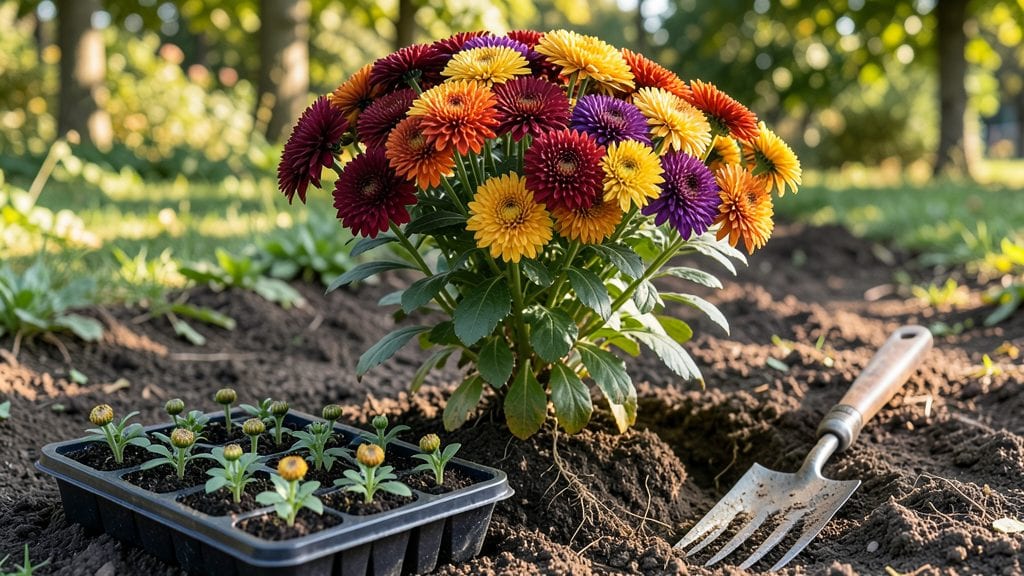
Fall gardening tips start with one simple truth: the best time to plant is now, before the ground freezes. 🌿 I’ve learned that September and October are when gardens truly shine—cool air, fewer pests, and soil that’s still warm enough for roots to take hold.
The key is working with nature’s calendar, not fighting it.
This isn’t about rushing—it’s about setting up your garden for a stronger spring. Start with cool-season crops like spinach, kale, and carrots, which thrive in the crisp air. Amend your soil with compost now, and mulch heavily to protect roots from winter’s chill.
Even beginners can nail this with just a few tools and a little planning.
By December, you’ll have a garden that’s productive even in the cold months. Think fresh greens in winter, early blooms next spring, and soil that’s ready to go without a fight. The best part? Less work in the heat of summer when you’d rather be outside enjoying the harvest.
Works for any climate—just adjust timing by a month or two if you’re in a warmer zone. Let’s make this your most rewarding gardening season yet.
📚 In This Guide
- What you need
- Instructions
- Tips and common mistakes
- Wrapping up and next steps
What you need
- ● Garden gloves – 1 pair (nitrile-coated for durability, size medium/large).
- ● Hand trowel – 1 (stainless steel, 6-8" blade for precision planting).
- ● Garden fork – 1 (heavy-duty, 12-14" for soil aeration).
- ● Pruners – 1 pair (bypass pruners for clean cuts, ergonomic grip).
- ● Watering can or hose with adjustable nozzle – 1 (5-gallon capacity, or hose with a gentle spray setting).
- ● Compost or organic fertilizer – 1-2 bags (balanced 10-10-10 or compost-specific blend).
- ● Mulch – 1-2 bags (straw or shredded leaves, 2-3" layer for insulation).
- ● Seedlings or seeds – Quantities based on your garden size (check your month-by-month planting calendar for varieties!).
- ● Garden twine or stakes – 1 roll (for supporting tall plants like kale or sunflowers).
- ● Soil test kit – 1 (to check pH and nutrient levels, adjust as needed).
- ● Wheelbarrow or garden cart – 1 (for hauling soil, mulch, or tools).
- ● Knee pads or cushion – 1 pair (because gardening on hard ground is not kind to your joints!).
- ● Plant markers – 50+ (reusable labels or popsicle sticks for tracking crops).
- ● Row cover or frost cloth – 1-2 (for protecting tender plants from early frosts).
- ● Solar-powered garden lights – 2-4 (to extend your gardening time into the shorter days).
Instructions: month-by-month fall planting schedule for a thriving garden
Here's my battle-tested calendar to transform your garden into a late-season powerhouse.
🌱 Step 1: September - Plant Cool-Season Stars and Prep Soil
Start by planting broccoli, kale, and lettuce—these cool-season crops love the crisp fall air. Choose varieties labeled for fall harvest, like 'Winter Density' kale or 'Winterbor' kale, which handle light frosts beautifully. Sow seeds directly in the garden or transplant seedlings, spacing them 12-18 inches apart for proper airflow and growth.
This is also the time to add 2-3 inches of compost to your garden beds. Work it into the top 6 inches of soil to improve drainage and fertility. A soil test now reveals what nutrients your fall crops might need—think phosphorus for strong roots or potassium for cold hardiness.
🌿 Step 2: October - Extend the Harvest and Protect Tender Plants
In October, focus on spinach, radishes, and carrots, which thrive in cooler temperatures. Plant seeds ¼ inch deep and keep the soil consistently moist—these crops grow quickly and need steady water. For tender plants like basil or tomatoes still producing, cover them with frost cloth on chilly nights to buy a few extra weeks of harvest.
Pull up any spent summer plants and add them to your compost pile. This clears space for fall crops and prevents pests from overwintering in dead foliage. If your region experiences early frosts, consider a low tunnel hoop house over sensitive greens to delay the first frost by 2-3 weeks.
☀️ Step 3: November - Plant Garlic and Prepare for Winter
November is the perfect time to plant garlic for next summer's harvest. Break apart garlic bulbs and plant individual cloves 2 inches deep and 4-6 inches apart, with the pointed end facing up. Cover with 2-3 inches of straw mulch to insulate the soil and protect the cloves from freezing.
This month, also plant cover crops like winter rye or clover in empty garden beds. They prevent erosion, suppress weeds, and add nitrogen to the soil as they break down. If you're in a mild climate, you can still sow hardy greens like arugula or Swiss chard, which often taste sweeter after a light frost.
⏰ Step 4: December - Plan and Protect for Spring Success
Use December to plan your spring garden layout. Sketch out where you'll plant early spring crops like peas and spinach, and mark any areas that need soil amendments. If you have a greenhouse or cold frame, start cool-season seedlings like onions or leeks indoors now to give them a head start.
Check your garden tools and store them properly to prevent rust. Sharpen pruners, clean pots, and organize seeds by maturity date. This is also the time to protect perennials with a thick layer of mulch—4-6 inches is ideal—to shield their roots from freezing temperatures and thaw cycles.
Tips & tricks for perfect fall gardening
Fall gardening rewards patience and preparation—here's how to maximize your late-season harvest with these battle-tested strategies.
The Soil Prep Secret: When adding that 2-3 inches of compost in September, mix in a handful of bone meal (optional) around your broccoli and kale plants. This phosphorus boost helps them develop strong roots for winter resilience. I've noticed plants handled light frosts twice as well when I did this simple step. The compost should be worked into the top 6 inches of soil, but don't over-mix—just loosen the top layer to preserve soil structure.
Frost Protection Hacks: For those 2-3 weeks of extended harvest in October, I've found that combining frost cloth with a low tunnel hoop house creates a microclimate that can delay frost by up to 4 weeks in mild climates. The secret is to secure the edges tightly and leave a small vent at the bottom for airflow. For tender plants like basil, I also use cloche bells over individual plants—these work wonders for protecting single stems while still allowing sunlight.
Garlic Planting Precision: That 2-inch depth for garlic cloves in November is crucial, but here's the part nobody tells you: the spacing matters just as much. Plant cloves 4-6 inches apart in rows that are 12 inches apart from each other. This gives bulbs room to expand without competing. I've learned this the hard way—crowded garlic produces smaller, more vulnerable cloves. After planting, press the soil gently around each clove to eliminate air pockets.
Winter Planning Shortcuts: December is the perfect time to organize your seed packets by maturity date using a simple system: group them by "early," "mid," and "late" season categories. Store them in airtight containers with a packet of silica gel to prevent moisture damage. This makes spring planting a breeze. For your spring layout sketch, I recommend using a grid system with 12-inch squares—this helps visualize plant spacing before you even break ground.
Pro Tips for Fall Gardening Tips
- Fall gardening rewards patience and preparation—here's how to maximize your late-season harvest with these battle-tested strategies.
- The Soil Prep Secret: When adding that 2-3 inches of compost in September, mix in a handful of bone meal (optional) around your broccoli and kale plants.
- The secret is to secure the edges tightly and leave a small vent at the bottom for airflow.
Frequently asked questions
Got questions about fall gardening? You’re not alone! Here are some of the most common queries—plus quick, actionable answers to keep your garden thriving as the seasons change.
When is the best time to start planting in fall?
Timing depends on your climate, but aim for 6–8 weeks before the first frost. In most regions, this means late summer to early fall (August–October). Cool-season crops like kale, spinach, and carrots love this window—just check your local frost dates for precision!
Can I plant flowers in fall, or should I stick to veggies?
Fall is perfect for flowers like pansies, calendula, and snapdragons—they bloom beautifully in cooler weather. Just choose hardy annuals or perennials that thrive in temperatures below 70°F. Bonus: They’ll often rebloom in spring!
How do I protect my plants from early frost?
Use row covers, cloches, or cold frames to shield tender plants. For a quick fix, drape old blankets or cardboard over seedlings at night. Mulch with straw or leaves to insulate soil and roots—consistency is key!
What should I do with my garden beds after harvest?
Don’t let them go to waste! Remove debris to prevent pests, then amend soil with compost. Plant cover crops (like clover or winter rye) to protect soil and boost nutrients. Skip tilling—it disrupts beneficial microbes!
Can I still garden if I live in a warm climate?
Yes! In USDA Zones 8–11, focus on heat-tolerant crops like sweet potatoes, malabar spinach, or okra. Plant in shade cloth to protect seedlings from intense sun. Just water deeply and mulch to retain moisture.
Wrapping up and next steps
Fall gardening is your chance to harvest beauty and bounty while the world cools down—no green thumb required! 🌿 From planting cool-season crops to prepping beds for winter, these month-by-month tips ensure your garden thrives even as the leaves change.
Remember: patience and preparation are your best tools, and every small step (like mulching or sowing garlic) sets you up for a rewarding spring.
Ready to dive in? Start with one task this week—whether it’s clearing summer debris, testing your soil, or planting your first fall crop. Your future self (and your dinner table!) will thank you. 😊