
Tools
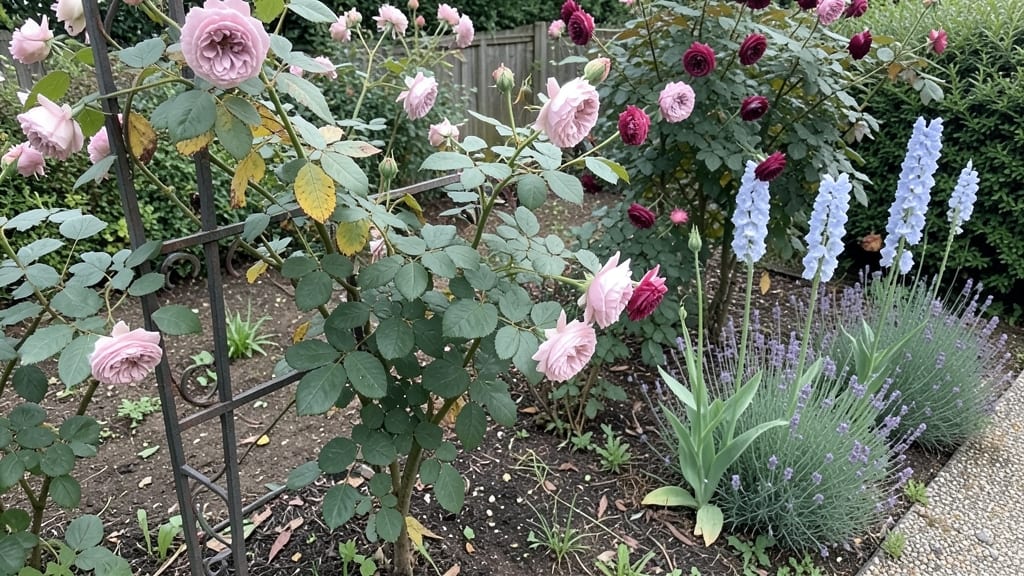
English garden pictures always make me pause—the way wildflowers spill over stone walls and roses climb wooden arbors like they’ve been there for centuries. ✨ These layouts aren’t just pretty; they’re designed to feel like a cozy retreat, whether you have a sprawling backyard or a tiny urban plot.
The magic lies in layers: rambling paths, mixed borders bursting with color, and focal points like old-fashioned trellises or a quaint bench hidden among the blooms.
What you’ll actually need is simpler than it looks: a mix of perennials, annuals, and climbers for texture, plus a few classic elements like a rustic gate or a stone pathway to tie it together.
I’ve recreated this look in a 10-by-15-foot space using thrifted garden decor and plants from local nurseries—no formal plan required. The key is letting plants mingle naturally, like a garden that’s been loved for generations.
By summer, you’ll have a space that smells like honey and lavender, where every corner feels like a postcard. The herbaceous borders will bloom from early spring through fall, while roses and clematis add vertical drama.
It’s the kind of garden that makes neighbors stop and stare—and honestly, who wouldn’t want that?
Works in any climate, from coastal gardens to inland yards, with adjustments for heat-tolerant plants or shade-loving varieties. The real secret? Start small, steal ideas from old garden books, and let the plants do the work. Here’s how to begin without overcomplicating it.
📚 In This Guide
- What you need
- Instructions
- Tips and common mistakes
- Wrapping up and next steps
What you need
- ● Soil & Mulch: Topsoil (2–3 cubic yards, depending on yard size)
- ● Compost (1–2 bags, for enriching soil)
- ● Organic mulch (cedar or straw, 1–2 bags, 2–3 inches thick)
- ● Plants & Flowers: Perennials (lavender, roses, peonies, foxgloves—5–10 plants per variety)
- ● Annuals (pansies, sweet peas, marigolds—10–15 plants for color bursts)
- ● Herbs (rosemary, thyme, mint—3–5 plants for fragrance and utility)
- ● Shrubs (hydrangeas, boxwood, or lilacs—3–5 for structure)
- ● Climbing plants (clematis, wisteria, or jasmine—1–2 vines for trellises)
- ● Hardscaping: Gravel or decomposed granite (1–2 tons, for pathways)
- ● Stepping stones (10–15, irregular shapes for rustic charm)
- ● Wooden edging (cedar or redwood, 10–20 feet, to define beds)
- ● Trellises or arbors (1–2, for climbing plants and vertical interest)
- ● Must-Haves: Garden trowel (1, for planting)
- ● Pruners (bypass pruners, 1 pair, for clean cuts)
- ● Garden fork (1, for aerating soil)
- ● Wheelbarrow (1, for hauling materials)
- ● Rake (1, for leveling soil)
- ● Garden hose with spray nozzle (for watering)
- ● Nice-to-Haves: Garden kneeler/pad (for comfort)
- ● Soil pH tester (to ensure optimal growing conditions)
- ● String line & stakes (for marking layouts)
- ● Wheelbarrow gloves (for protection)
- ● 💡 Check your yard’s sunlight: English gardens thrive in partial shade to full sun. Group plants by their light needs (e.g., lavender loves sun, ferns prefer shade).
- ● 🌡️ Know your hardiness zone: Choose plants suited to your climate (e.g., Zone 5–9 for most cottage garden favorites).
- ● ✨ Start small: Focus on one section at a time—like a herb spiral or a rose arbor—to avoid overwhelm.
- ● 🎯 Watering plan: Drip irrigation or soaker hoses save time and keep roots happy.
How to design a cottage-style English garden layout
Turn your yard into a dreamy English garden with these timeless, romantic layout principles.
🌿 Step 1: Define Your Garden’s "Rooms" and Pathways
Start by dividing your space into distinct areas—think of them like rooms in a house. A winding gravel path (use 2-3 inches of crushed stone) creates natural separation while inviting exploration. I like to use curved edges for paths—they feel organic and soften the look. Mark your design with garden twine and stakes before digging.
Place a small bench or arbor at each "room’s" entrance to define the space. This is where I often add climbing roses or clematis—vines that spill over the top create that quintessential English garden feel. Keep pathways 2-3 feet wide so they feel inviting but not overwhelming for strolling.
☀️ Step 2: Layer Plants for Height and Texture
English gardens thrive on layers—tall, medium, and low plants arranged in a way that draws the eye upward. Start with a 6-foot tall arbor or trellis at the back, then add climbing roses or honeysuckle. Below that, place shrubs like hydrangeas or lavender at 3-4 feet tall.
Fill the front with low-growing perennials like foxgloves, sweet william, or delphiniums. I always mix leaf textures—smooth hostas next to fuzzy lamb’s ear, or feathery grasses beside bold foliage plants. The key is to create visual interest at every height, so you’re never looking at just one level.
🪴 Step 3: Add Whimsical Garden Ornaments
No English garden is complete without a few charming touches. Place a vintage birdbath (even a small 12-inch diameter one works) near a seating area, or add a weathered stone bench. I love scattering old teacups or terracotta pots as plant holders—they add character without looking forced.
For a rustic feel, use mismatched garden pots in soft pastel colors. Group them in threes or fives for a natural look. Avoid symmetry—English gardens feel organic, so let things flow freely. A small stone fountain or even a simple bird feeder adds movement and life to the space.
✂️ Step 4: Incorporate Fragrant and Edible Plants
English gardens are sensory experiences, so prioritize plants that smell as good as they look. Place fragrant roses, lavender, or jasmine near seating areas. I always include a small herb garden (like thyme or rosemary) tucked into borders—it’s practical and adds to the old-world charm.
Let some plants self-seed naturally, like poppies or cornflowers, for a wildflower meadow effect. This creates a soft, romantic look that’s low-maintenance. Avoid over-pruning—let some stems go to seed for that effortless, lived-in feel. The goal is abundance, not perfection.
💧 Step 5: Maintain with Seasonal Care
English gardens look effortless, but they need regular upkeep. Deadhead spent blooms weekly to encourage more flowers. In early spring, add a layer of 2-3 inches of mulch around plants to retain moisture and suppress weeds. I also refresh old ornaments seasonally—swap out faded cushions on benches or repaint weathered pots.
Water in the early morning so plants absorb moisture before the heat of the day. Let the soil dry slightly between waterings—English gardens are known for their resilience, not their thirstiness. A light layer of gravel around plants helps with drainage while keeping the look tidy.
Tips & tricks for perfect cottage-style English garden layouts
Creating a romantic English garden isn't about perfection—it's about embracing the organic beauty of nature. Here are the secrets to achieving that timeless, inviting look in your own backyard.
Pathway Perfection: When creating those winding gravel paths with 2-3 inches of crushed stone in Step 1, use a level to ensure gentle curves rather than sharp turns. The key is to make paths feel like an invitation to explore, not a forced route. I like to lay down a piece of garden twine along my desired curve first—it helps visualize the flow before digging. For extra charm, consider adding a strip of wildflowers along the path edges once established.
Height Layering Strategy: In Step 2, think of your garden as a stage where each plant has its own spotlight moment. That 6-foot tall arbor at the back should be your star performer, with climbing roses or honeysuckle as the dramatic backdrop. For the middle layer, hydrangeas at 3-4 feet tall create perfect backdrops for your seating areas. Pro tip: Place taller plants slightly behind shorter ones to create visual depth without blocking views.
Ornament Placement: The whimsical touches in Step 3 make all the difference. Place your 12-inch diameter birdbath where it catches morning sunlight—this creates beautiful reflections and attracts birds. For seating areas, position benches so they face interesting views, like your layered plantings or a pretty view of the garden. I always group mismatched pots in odd numbers (threes or fives) and place them near fragrant plants so you get both visual and sensory enjoyment.
Seasonal Care Shortcuts: That 2-3 inches of mulch in Step 5 works wonders for weed suppression, but here's a pro tip: Add a thin layer of coarse sand beneath the mulch first. This improves drainage and prevents the mulch from smothering plant roots. For deadheading, I use clean scissors and always cut just above a leaf node—this encourages bushier growth and more flowers. And remember, English gardens thrive on a little imperfection—don't stress about every leaf!
Pro Tips for English Garden Pictures
- Creating a romantic English garden isn't about perfection—it's about embracing the organic beauty of nature.
- Pathway Perfection: When creating those winding gravel paths with 2-3 inches of crushed stone in Step 1, use a level to ensure gentle curves rather than sharp turns.
- Height Layering Strategy: In Step 2, think of your garden as a stage where each plant has its own spotlight moment.
Frequently asked questions
What makes an English garden different from other garden styles?
English gardens are known for their romantic, cottage-style charm, featuring winding paths, wildflower meadows, and a mix of native and ornamental plants. Unlike formal French gardens, they embrace natural, slightly untamed beauty—think climbing roses, herb borders, and cozy seating nooks. The key? Layered textures and a "less is more" approach to design.
When is the best time to plant an English garden?
For perennials and shrubs, spring (March–May) or fall (September–November) are ideal—when soil is workable but not frozen. Bulbs (like tulips or daffodils) go in fall, while annuals can be planted in spring or late summer for fall color. Pro tip: Mulch after planting to retain moisture!
Are English gardens expensive to maintain?
Not necessarily! While they look lush, many plants (like lavender, roses, or foxgloves) are low-cost perennials that return yearly. DIY-friendly tasks like pruning, weeding, and composting keep expenses down. Invest in mulch and drip irrigation to save time and water—your wallet (and garden) will thank you!
Can I create an English garden in a small space?
Vertical gardening
(trellises, hanging baskets) and tiered planting maximize space. Opt for compact perennials (e.g., miniature roses, dwarf hydrangeas) and container gardens. Even a window box with sweet peas and pansies captures the English vibe. Less space = more creativity!
How do I keep my English garden looking lush in dry climates?
Drought-tolerant plants like lavender, sedum, or Russian sage thrive with minimal water. Mulch heavily (3–4 inches) to lock in moisture, and water deeply but infrequently (early morning is best). Avoid turf grass—replace with clover or ornamental grasses instead.
Wrapping up and next steps
From whimsical English garden pictures to cozy cottage-style layouts, your outdoor space can become a serene escape with the right inspiration and planning. Whether you’re dreaming of climbing roses, quaint stone paths, or rustic wooden trellises, the key is to start small and let your creativity bloom! 🌸
Ready to transform your yard? Grab your sketchbook, gather materials, and dive in! Sketch a rough design, then bring it to life one step at a time—your future garden awaits. 🌿✨
Need more ideas? Browse our Pinterest board for endless English garden pictures to spark your next project!