
Light Requirements
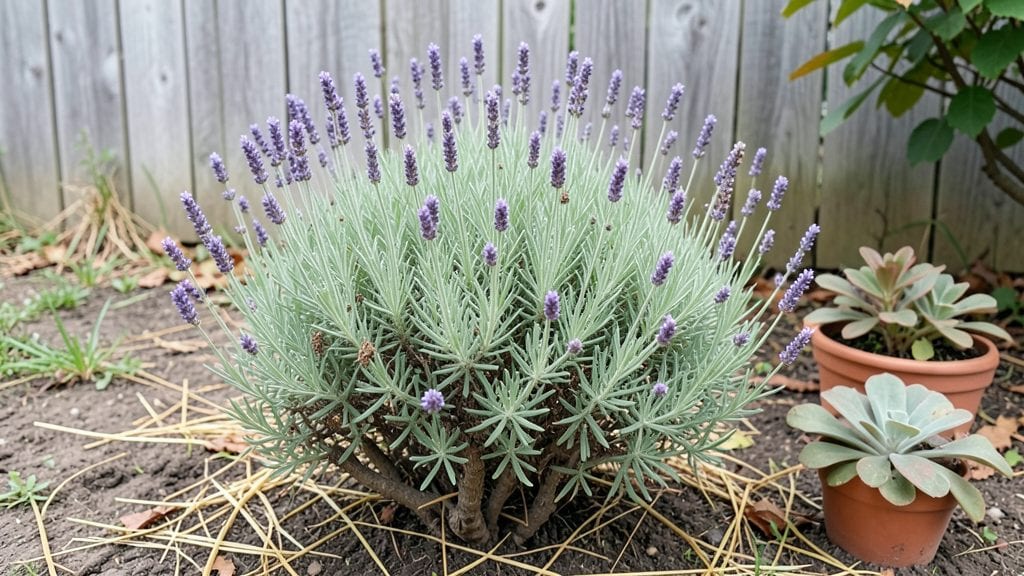
Not all gardens need full sun—light needs depend entirely on plant type, with shade-tolerant varieties thriving in partial sunlight or filtered light, while sun-loving plants require at least 6 hours of direct rays daily. Matching plants to your garden's light conditions is key to success.
Most gardeners assume full sun is mandatory, but the truth is far more flexible. 🌿 Plants like hostas and impatiens actually prefer dappled light, while others—such as tomatoes and marigolds—wilt without strong sunlight.
The difference comes down to chlorophyll production: sun-loving plants need intense light to fuel photosynthesis, while shade species adapt with broader leaves to capture diffuse rays.
I’ve seen beginners struggle when they plant sun-seekers in shady corners, only to watch them struggle—so always check your yard’s light patterns before selecting plants.
Your garden’s layout matters just as much as the plants themselves. Morning sun behaves differently from afternoon heat, and even a small tree can cast dramatic shadows. 🌞 For example, a north-facing wall might get only a few hours of gentle light, perfect for ferns but too dim for peppers.
If you’re working with limited sunlight, consider vertical gardening with trellises or using reflective surfaces to redirect light where it’s needed most.
💡 In This Article
- How Sunlight Affects Plant Growth and Health
- Identifying the Right Light Conditions for Your Garden Layout
How sunlight affects plant growth and health
The science behind plant light needs starts with photosynthesis—the process where plants convert sunlight into energy using chlorophyll.
Sunlight provides the photons that power this chemical reaction, but the intensity matters. Full-sun plants like tomatoes and peppers need 6-8 hours of direct light daily to maximize chlorophyll production, which gives them their vibrant green color and fuels rapid growth.
Without enough light, these plants become leggy and weak, struggling to produce enough energy for fruit development.
Shade-tolerant plants adapt differently. Ferns and hostas, for example, have broader leaves with thinner cell walls to capture more diffuse light.
Their root systems also grow more extensively to seek out moisture and nutrients in lower-light conditions. 🌿 What's fascinating is how these plants often develop deeper green foliage—this isn't just pigmentation, but a biological response to compensate for lower light intensity by producing more chlorophyll to absorb whatever light is available.
The difference in leaf structure between sun and shade plants reveals nature's efficiency. Sun plants like sunflowers have smaller, waxier leaves to reduce water loss from intense sunlight, while shade plants have larger surfaces to maximize light absorption.
This adaptation explains why you'll see ferns thriving under trees while sunflowers bolt toward the sky in open fields. The key factor is how each plant balances light absorption with water conservation—an evolutionary trade-off that determines where they can grow.
Light quality matters too. While full-sun plants need intense, direct rays, shade plants often thrive in dappled light—the filtered sunlight that passes through tree canopies. This creates a microclimate where humidity remains higher and temperatures stay cooler, ideal for plants like impatiens or astilbes.
The science here involves photosynthetically active radiation (PAR), which measures the light wavelengths plants can use—shade plants often perform best with 40-60% of full sunlight, while sun plants require 70-100%.
What most people don't realize is how light affects plant metabolism beyond just photosynthesis. Sunlight triggers the production of phytohormones like auxin, which regulates growth patterns. In low-light conditions, plants produce more auxin in their stems, causing them to stretch upward—a survival mechanism called etiolation.
This is why shade-grown tomatoes develop long, weak stems compared to their sun-grown counterparts. The trade-off is that these plants often produce fewer, smaller fruits because their energy goes into vertical growth rather than reproduction.
Consider the example of a tomato plant versus a Boston fern. Tomatoes need full sun to develop the energy required for fruit production, with each blossom needing 10-12 hours of light per day for proper pollination.
In contrast, a Boston fern thrives in indirect light and can even tolerate fluorescent lighting indoors. The fern's fronds unfurl more slowly in low light, but its root system remains robust, while a tomato left in shade will produce bitter, underdeveloped fruit.
This stark contrast shows how light isn't just about quantity but about matching plant biology to environmental conditions.
The bottom line? Your garden's success depends on understanding these biological adaptations. Whether you're dealing with a sun-drenched patio or a shady woodland garden, choosing plants that match your light conditions ensures healthier growth, better yields, and fewer struggles. 💫