
Advice
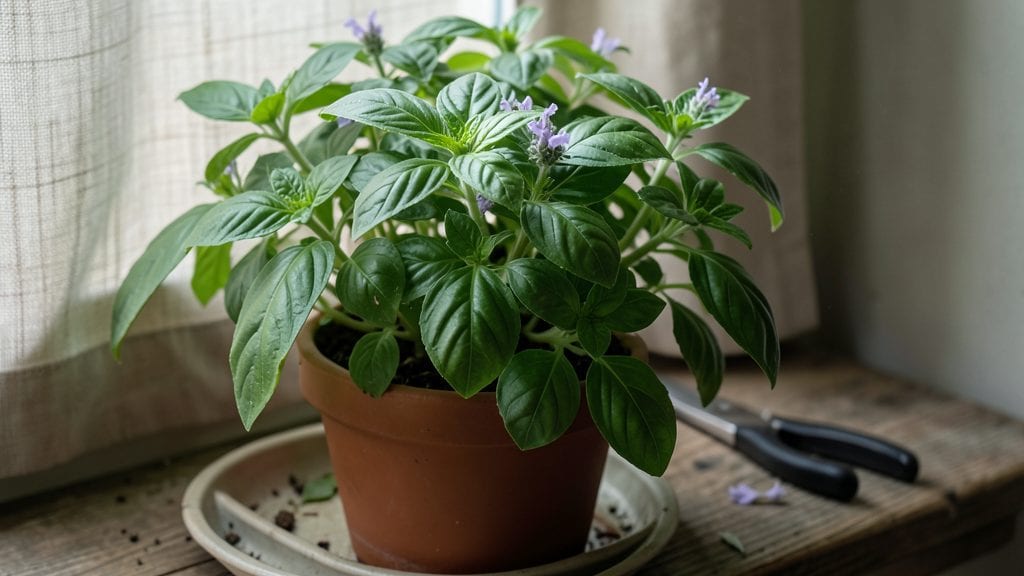
Mastering these basil gardening tips means you’ll never buy wilted grocery store pots again—just fresh, fragrant leaves straight from your windowsill or garden. 🌿 I’ve turned my kitchen into a basil powerhouse by learning the simple secrets that keep plants lush and productive, even when I forget to water them for a day.
The key starts with sunlight—basil craves 6+ hours of direct sun daily, whether in a south-facing window or outdoors. Use well-draining potting mix (no soggy roots!) and water when the top inch feels dry.
Prune regularly to encourage bushier growth, and pinch off flowers to keep energy in those flavorful leaves.
📚 In This Guide
- What you need
- Instructions
- Tips and common mistakes
- Wrapping up and next steps
What you need
- ● Basil seeds or seedlings: Choose Genovese, Sweet, or Thai varieties based on your needs. For seeds, aim for 3–5 seeds per pot (they germinate quickly!). If using seedlings, 1–2 per container works best.
- ● Containers: For seeds: 4–6 inch diameter pots (with drainage holes) or a seed tray.
- ● For mature plants: 12+ inch pots or a raised bed (basil thrives in 6+ inches of soil depth).
- ● Well-draining potting mix: A light, airy blend (e.g., 60% organic compost, 30% coconut coir, 10% perlite or vermiculite). Avoid heavy garden soil—basil hates soggy roots!
- ● Sunlight access: A south-facing window (6+ hours of direct sun daily) or a grow light (12–16 hours/day if indoors).
- ● Water: Room-temperature, chlorine-free water (rainwater or filtered works best).
- ○ Fertilizer (optional but helpful): Balanced liquid fertilizer (e.g., 10-10-10) diluted to half-strength every 2–3 weeks.
- ● OR organic options like fish emulsion or compost tea.
- ○ Gloves (optional): Protect your hands from soil and prickly stems.
- ● Small hand trowel or spoon: For planting seeds or transplanting seedlings.
- ● Spray bottle: Keeps seeds moist during germination.
- ● Pruning shears: Sharp, clean shears to harvest and prune (sterilize with rubbing alcohol between uses!).
- ○ Mulch (optional): Straw or shredded leaves to retain moisture and suppress weeds.
- ● Temperature: Basil loves 70–80°F (21–27°C). Avoid planting until soil is at least 50°F (10°C)—frost will kill it!
- ● pH level: Aim for 6.0–7.0 (test your soil with a kit if unsure).
- ● Patience: Seeds sprout in 7–14 days; seedlings mature in 6–8 weeks.
Step-by-Step instructions for growing basil from seed
Here’s how I grow lush, flavorful basil plants—no guesswork, just reliable results.
🌱 Step 1: Start Seeds Indoors for Early Growth
Fill small seed-starting trays with moistened seed-starting mix (not garden soil) and press it down lightly so it’s firm but still airy. Basil seeds are tiny, so I use a toothpick to create tiny holes—just ¼ inch deep. Drop 2-3 seeds per hole, then cover with a thin layer of mix. Keep the tray in a warm spot (70-75°F) under a humidity dome or plastic wrap.
Germination takes 7-14 days, but don’t rush it by overwatering. Mist the soil lightly daily until you see sprouts—then remove the dome to prevent mold. Once seedlings have 2-3 true leaves (not just the initial seed leaves), thin to the strongest plant per pot. This ensures they don’t compete for space.
☀️ Step 2: Provide Bright Light and Prevent Legginess
Basil seedlings need 12-14 hours of light daily to grow strong. A south-facing window works, but most homes don’t have enough intensity, so I use a grow light on a timer. Position it 2-3 inches above the plants and raise it as they grow. Without enough light, stems stretch and weaken—watch for pale, spindly growth as a warning sign.
Rotate the tray a quarter turn daily so plants grow upright instead of leaning. You’ll see leaves darken and thicken as they get stronger. Once seedlings are 3-4 inches tall, they’re ready for transplanting.
🪴 Step 3: Transplant to Larger Pots or Garden
Choose containers with drainage holes—basil hates soggy roots. Fill with well-draining potting mix and dig a hole slightly deeper than the root ball. Gently remove the seedling, loosen the roots if they’re tangled, and place it in the hole. Firm the soil around it and water deeply to settle everything.
Space plants 8-12 inches apart if growing in the ground, or use 6-inch pots for containers. Basil loves warmth—keep it in 60-80°F temperatures. If nights drop below 50°F, bring potted plants indoors to protect them.
💧 Step 4: Water and Feed for Maximum Flavor
Water basil when the top inch of soil feels dry. It prefers consistent moisture but hates soggy conditions—yellowing leaves mean you’re overwatering. I water at the base in the morning to let foliage dry before evening, which prevents fungal diseases like downy mildew.
Feed with a balanced liquid fertilizer (10-10-10) every 2-3 weeks once plants are established. You’ll notice richer green leaves and a stronger aroma—this is your cue that the plant is thriving. Pinch off any flowers that appear to encourage leaf growth instead of seed production.
✂️ Step 5: Harvest Regularly for Continuous Growth
Start harvesting when plants are 6-8 inches tall. Use clean scissors to snip just above a leaf pair—this encourages bushier growth. Always harvest in the morning after dew has dried but before the heat of the day. Regular harvesting prevents the plant from going to seed too quickly.
If your basil bolts (sends up a flower stalk), cut it back to 4-6 inches above the soil. With proper care, it’ll often regrow enough for another harvest. Store fresh basil in a jar of water in the fridge for up to 1 week, or freeze leaves in ice cube trays for later use.
Tips & tricks for thriving basil plants
Growing basil from seed rewards patience with bold, aromatic leaves—here’s how to sidestep the most common pitfalls and get results that rival your favorite pesto jar.
Lighting is Everything: The 12-14 hours of daily light in Step 2 is non-negotiable for sturdy growth. If your seedlings stretch toward the window like sun-worshippers, you’re not providing enough intensity. A simple LED grow light on a timer solves this—position it just 2-3 inches above the seedlings and adjust as they grow. Watch for that telltale pale, leggy look, and act fast before the stems weaken permanently.
Temperature Matters: Basil thrives in the 60-80°F range, but those critical first days in Step 1 demand warmth. If your home dips below 70°F, place the seed tray on a heating mat or near a sunny window with indirect heat. The 70-75°F range under the humidity dome is ideal for germination—any cooler, and you’ll wait weeks for sprouts. Once transplanted, protect against nighttime drops below 50°F, which can shock the plants.
Thinning Saves Struggles: In Step 1, thinning to the strongest seedling per pot might feel wasteful, but crowded seedlings compete for nutrients and light, leading to weak, disease-prone plants. Use clean scissors to snip at soil level—don’t pull, which can damage roots. The remaining seedling will grow twice as strong, with broader leaves and better flavor.
Harvesting Hack: The 6-8 inch height in Step 5 is your cue to start harvesting, but timing matters. Always cut just above a leaf pair where new growth emerges—this encourages bushier plants. For continuous harvests, cut the outer leaves first, leaving the inner growth to mature. And here’s a pro tip: Harvest in the morning when essential oils are at their peak, giving your pesto or pasta dishes maximum punch.
Pro Tips for Basil Gardening Tips
- Growing basil from seed rewards patience with bold, aromatic leaves—here’s how to sidestep the most common pitfalls and get results that rival your favorite pesto jar.
- Lighting is Everything: The 12-14 hours of daily light in Step 2 is non-negotiable for sturdy growth.
- Temperature Matters: Basil thrives in the 60-80°F range, but those critical first days in Step 1 demand warmth.
Frequently asked questions
Got questions about growing basil like a pro? Here are some of the most common ones—plus quick, actionable answers to keep your plants happy and thriving!
How often should I water my basil plants?
Basil loves consistent moisture—water when the top inch of soil feels dry (usually every 2–3 days). Overwatering is worse than underwatering, so ensure pots have drainage holes. Pro tip: Use room-temperature water and avoid wetting the leaves to prevent fungal diseases.
When is the best time to harvest basil?
Harvest when leaves are fully grown but before flowering (typically 6–8 weeks after planting). Pinch off the top set of leaves just above a pair of leaves to encourage bushier growth. Bonus: Morning harvests yield the freshest flavor!
What should I do if my basil leaves turn yellow?
Yellow leaves often signal overwatering, nutrient deficiency, or pests. Check soil moisture first—let it dry slightly between waterings. If pests (like aphids) are the culprit, spray with neem oil or insecticidal soap. Fix it fast: Trim affected leaves to redirect energy to healthy growth.
Can I grow basil indoors without sunlight?
Yes! Basil thrives under grow lights (12–16 hours/day) if natural light is limited. Place plants near a sunny window (south-facing is ideal) or use a full-spectrum LED bulb. Rotate pots weekly for even growth. Alternative: Try dwarf varieties like ‘Spicy Globe’ for compact indoor gardening.
How do I save basil seeds for next year?
Let a few flowers bloom and form seeds (small black pods). Harvest when pods turn brown, dry them in a paper bag for 1–2 weeks, then store in an airtight container in a cool, dark place. Note: Basil seeds may not grow true to type—start fresh each year for best results!
Wrapping up and next steps
Growing basil from seed to harvest is a rewarding journey that brings fresh, fragrant flavors to your kitchen—and your plate! 🌿 With the right soil, sunlight, and care, you’ll enjoy a thriving herb garden in no time.
Remember, consistency is key: water wisely, prune regularly, and watch your plants flourish.
Now that you’re armed with these basil gardening tips, it’s time to roll up your sleeves and get planting! Start with just a few seeds or a small pot, and soon you’ll be harvesting lush, aromatic leaves for pesto, salads, or teas.
Happy gardening—your taste buds will thank you! 🌱