Flowers
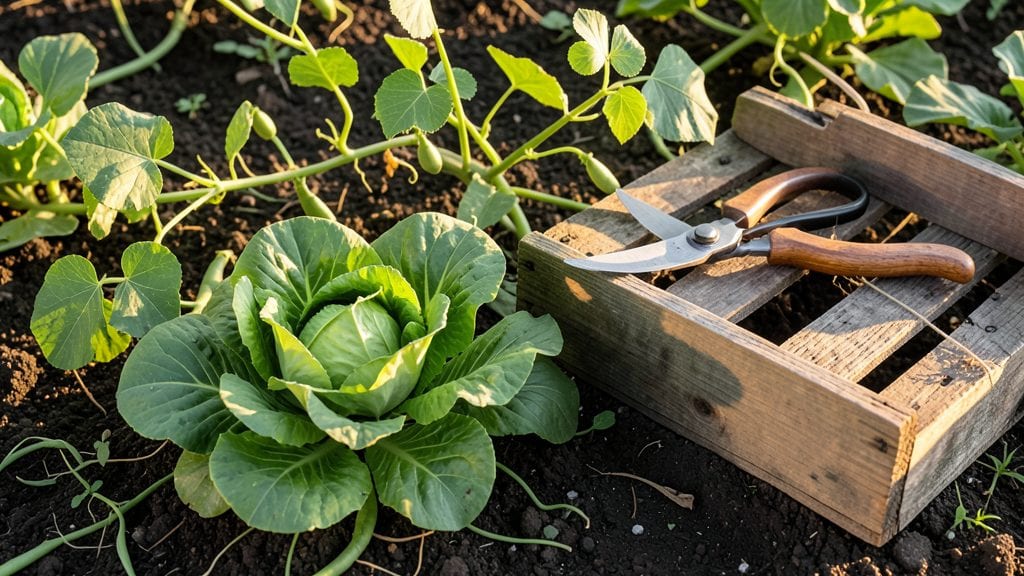
Victory gardens meaning centers on homegrown vegetable plots that emerged during World War II to address food shortages, reduce commercial dependence, and strengthen community resilience through self-sufficiency. Today, they represent a sustainable revival of local food production and resourcefulness.
The term "victory gardens" carries deep historical roots tied to patriotism and survival.
During WWII, over 20 million Americans grew these plots, producing 40% of the nation's vegetables—a staggering contribution that eased wartime food rationing. 🌱 The movement wasn't just practical; it was a morale booster, proving ordinary citizens could make extraordinary impacts.
Modern versions keep this spirit alive by focusing on urban gardening, heirloom varieties, and shared harvests, proving the concept's timeless relevance in today's sustainability conversations.
What makes victory gardens uniquely powerful is their dual role: they feed bodies and strengthen communities. Whether you're reviving a backyard plot or joining a neighborhood garden, you're participating in a legacy that blends history with contemporary values like food security and environmental stewardship.
The key difference today? Technology and urban adaptation—hydroponics, vertical gardens, and seed-sharing networks make it easier than ever to grow your own "victory" harvest.
💡 In This Article
- WWII Victory Gardens: Historical Impact and War-Era Motivations
- Modern Victory Gardens: How to Start Your Own Today
WWII victory gardens: historical impact and war-era motivations
The concept of victory gardens emerged directly from wartime necessity. In 1942, the U.S. government launched the "Food for Freedom" campaign, urging Americans to grow vegetables to free up commercial supplies for troops overseas.
With rationing limits like 2 pounds of meat per person weekly and 1 pound of butter monthly, families faced stark shortages. These gardens became a tangible way to stretch resources—producing 40% of the nation's vegetables by 1943, equivalent to 9-10 million tons of produce annually.
Propaganda played a crucial role in mobilizing citizens. Posters featuring Rosie the Riveter alongside slogans like "Grow It—Win It" transformed gardening into a patriotic duty. The government even distributed 9 million seed packets and offered free gardening advice through pamphlets.
What's fascinating is how these gardens addressed both practical and psychological needs—families not only secured food but also felt empowered during uncertain times. The communal aspect was equally vital; neighbors shared tools, seeds, and harvests, creating tight-knit networks that strengthened local resilience.
The impact extended beyond food production. Victory gardens reduced shipping demands by 20 million tons annually, easing pressure on the military's logistics. This conservation effort saved 1.2 billion gallons of gasoline that would've been used transporting food.
The movement also shifted cultural attitudes: gardening went from a hobby to a national service. Schools participated too, with 15 million children growing their own plots—a legacy that continues today in school garden programs.
One often overlooked factor was how these gardens shaped post-war agriculture. The success of victory gardens proved demand for fresh, local produce existed beyond wartime shortages. After the war, many gardeners kept planting, laying groundwork for today's community-supported agriculture (CSA) programs.
The 1940s saw a 30% increase in home gardening nationwide—a direct result of the victory garden movement's lasting influence on American food culture.
Here's what made these gardens uniquely effective:
- Targeted crops: Focused on high-yield vegetables like potatoes, carrots, and cabbage—produce that stored well and required minimal processing
- Urban adaptation: Even city dwellers grew gardens in vacant lots, using raised beds and container growing before these methods became mainstream
- Government coordination: Local agricultural extensions provided soil testing and pest control advice, ensuring success rates exceeded 85% in most regions
The victory garden phenomenon reveals how collective action can address systemic challenges. What began as a wartime solution became a cultural shift—proving that food security isn't just about production, but about community, innovation, and shared purpose. This historical example remains relevant today as we face new food system challenges.