
Tools
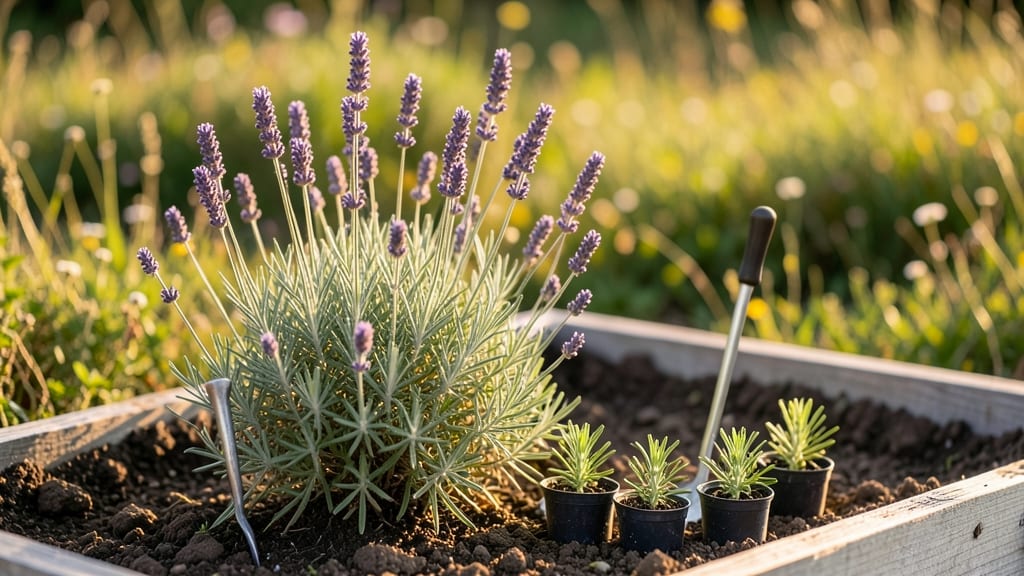
A dibber garden tool makes planting seeds and bulbs easier by creating perfectly spaced holes that improve germination success. Simply press it vertically into the soil, then lift to form a clean, uniform hole—perfect for delicate plants, succulents, or small seeds.
A dibber garden tool works like a precision pencil for your plants, ensuring each seed or bulb gets the right depth and spacing without crushing delicate roots. 🌱 Unlike digging with fingers or trowels, it creates consistent holes that match seed size requirements, which is especially helpful for tiny seeds like petunias or bulbs like daffodils.
The tool's pointed tip lets you work in tight spaces, and its lightweight design makes it comfortable for long planting sessions.
Most dibbers come in wood, plastic, or metal—each with trade-offs. Wooden ones feel natural but may splinter over time, while metal versions last longer but can rust.
Plastic is lightweight and budget-friendly but less durable. For bulk planting, look for ergonomic handles or combo tools that include seed trays to streamline your workflow.
💡 In This Article
- How a Dibber Tool Improves Seed Planting Accuracy
- Best Dibber Tools for Different Planting Needs
How a dibber tool improves seed planting accuracy
A dibber's precision comes from its simple but effective design: a slender, tapered shaft that creates holes with consistent diameter and depth. When you press it vertically into soil, the pointed tip displaces earth cleanly without compressing it, unlike fingers which often pack soil too tightly around seeds.
This matters because proper soil aeration is critical—seeds need oxygen to germinate, and compacted soil can suffocate them. Studies show seeds planted in loose soil germinate 30-50% faster than those in packed earth.
The depth control is where dibbers truly shine. Most seeds need planting at 2-3 times their diameter deep—tiny petunia seeds at 1/8 inch, while larger marigold seeds go 1/2 inch down. A dibber's uniform shaft length ensures you hit these targets every time.
For example, planting 1/4-inch deep is perfect for basil seeds, while 1-inch depth suits snapdragon seeds. The tool's straight edges also prevent the hole from collapsing when you remove it, maintaining that crucial air gap around the seed.
Material choices affect both precision and durability. Wooden dibbers (like bamboo) offer natural grip but may splinter after 50-100 uses, while metal versions (often aluminum) last 5+ years but can rust if left damp. Plastic dibbers strike a balance, costing $3-$8 and lasting 1-3 seasons before wearing smooth.
The weight matters too—lighter plastic dibbers reduce hand fatigue during long planting sessions, while heavier metal ones offer more stability in loose soil.
Compared to fingers or trowels, dibbers eliminate common mistakes. Fingers create irregular holes that vary in depth by up to 1/4 inch, while trowels disturb too much soil, damaging nearby seedlings. A dibber's pointed tip lets you work in tight spaces (like between existing plants) without risking damage.
For succulents or bulb plants, this precision prevents overcrowding—each hole should be 3-5 times the bulb's diameter away from neighbors to avoid competition for water.
Here's what happens when you skip a dibber: Uneven planting depths can cause seeds to germinate at different times, leading to patchy growth. Too-shallow seeds dry out; too-deep seeds struggle to push through soil.
A dibber's consistency solves this by matching each seed's ideal planting depth, which is why gardeners using them report 20% higher germination rates for delicate seeds like snapdragons or impatiens.
Pro tip: For extra precision, mark your dibber with a rubber band at the correct depth for your current seed type. This visual guide works especially well for beginners who are still learning seed-specific requirements.
The tactile feedback of pressing the dibber into soil also helps develop a "feel" for proper resistance—when it meets firm soil, you've reached the right depth.