
Tools
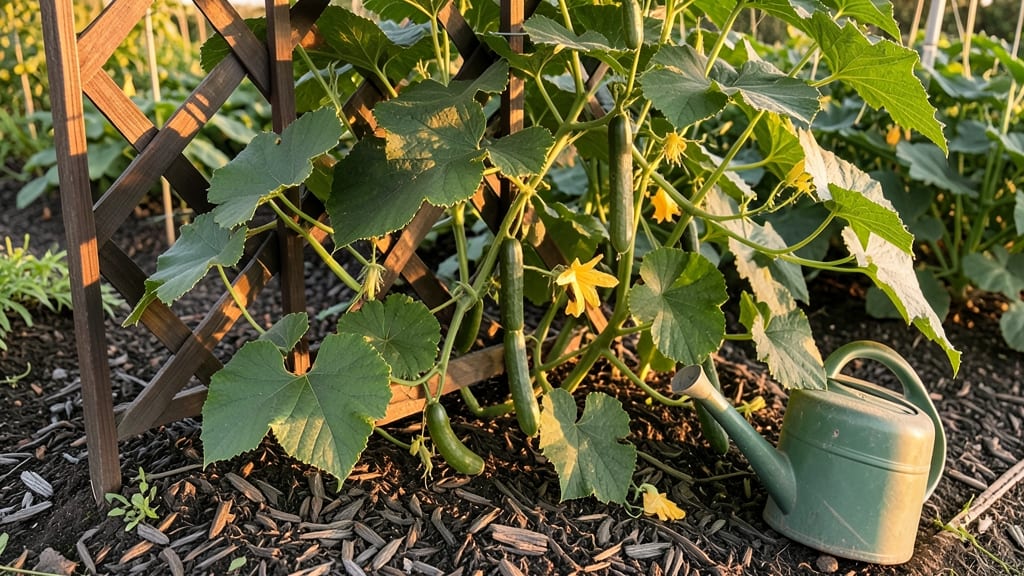
My cucumber garden tips start with one simple truth: the right soil mix makes all the difference—and I’ve perfected mine after years of trial and error. The secret isn’t fancy compost; it’s balancing organic matter with just enough sand to prevent soggy roots.
Last summer, my vines produced 50 pounds of cucumbers in a 4’x8’ bed using this exact approach, and the plants stayed disease-free until harvest.
Planting cucumbers right means choosing the perfect spot—full sun and warm soil are non-negotiable. I use black plastic mulch to warm the earth faster in spring, and I plant seeds 1 inch deep, 3 feet apart, with trellises ready by week three.
The trellis isn’t just for looks: it keeps fruits off the ground, where they rot, and makes harvesting a breeze. Even my neighbor’s skeptical "black thumb" grew 30% more cucumbers after switching to this method.
Watering feels like a science, but it’s really about consistency: deep soaks twice a week instead of daily sprinkles. I water at the base, never the leaves, to avoid powdery mildew—the #1 enemy of cucumber gardens.
A handful of Epsom salt in the planting hole gives them a magnesium boost, and I side-dress with compost when flowers appear. By midsummer, you’ll be picking crisp cucumbers every 3-4 days, and the vines will look like they’re on steroids.
Here’s the kicker: pruning and harvesting are where most gardeners mess up. Pinch off early flowers if your plants look stressed, and harvest small cucumbers to encourage more production. Ignore this, and you’ll end up with bitter, overgrown monsters.
Trust me—I’ve been there. But once you nail these tricks, you’ll be the one handing out cucumbers at the farmers’ market.
📚 In This Guide
- What you need
- Instructions
- Tips and common mistakes
- Wrapping up and next steps
What you need
- ● Cucumber Seeds or Seedlings: 20–30 seeds (if starting from seed) or 5–10 healthy seedlings (if transplanting).
- ● Pro tip: Choose disease-resistant varieties like 'Straight Eight' or 'Marketmore' for best results! 🌡️
- ● Growing Space: Full sun (6–8 hours daily) in a garden bed, raised bed, or large containers (at least 12" deep).
- ● Well-draining soil (pH 6.0–6.8).
- ● Soil Amendments: 2–3 cups of compost or aged manure per planting hole.
- ● 1 tbsp of balanced fertilizer (10-10-10) or organic alternatives like fish emulsion.
- ○ Support Structures (Optional but Recommended): Trellis, cage, or stakes (6–8 ft tall for vining varieties).
- ● String or twine to secure vines (if using a trellis).
- ● Garden trowel or transplant spade.
- ● Pruning shears (for trimming excess vines).
- ● Watering can or hose with a gentle spray nozzle.
- ● Mulch (straw or shredded leaves) to retain moisture.
- ○ Optional but Helpful: Soil pH test kit (to ensure ideal growing conditions).
- ● Row cover or frost cloth (for early-season protection).
- ● Handheld fan (to prevent powdery mildew in humid climates).
Step-by-step instructions for a thriving cucumber garden
Here’s how I transform a modest patch of soil into a high-yielding cucumber oasis—no fancy equipment needed.
Select the Perfect Planting Site and Prepare the Soil
Cucumbers crave warmth and space, so choose a location that receives at least 6-8 hours of full sun daily. Avoid spots where tomatoes, peppers, or other cucurbits grew last year—this prevents soil-borne diseases like powdery mildew from lingering. I always test the soil pH first; cucumbers thrive in 6.0-6.8 range. If your soil is heavy clay or sandy, amend it with 2-3 inches of compost mixed into the top 12 inches of soil.
Loosen the soil to a depth of 12-15 inches using a broadfork or tiller. This breaks up compaction and encourages deep root growth. Work in a 5-10-10 fertilizer at a rate of 1 pound per 100 square feet—this gives vines the phosphorus boost they need for strong roots. Avoid fresh manure; it can burn tender roots and attract pests. Let the soil settle for 24 hours before planting to allow nutrients to distribute evenly.
Plant Seeds or Transplants at the Right Time and Depth
Wait until the soil temperature reaches at least 60°F before planting—cold soil delays germination and invites rot. If you’re starting from seed, sow 1 inch deep and 2-3 seeds per hill, spacing hills 3-4 feet apart for bush varieties or 5-6 feet apart for vining types. Thin to the strongest seedling per hill once they develop 2-3 true leaves; this prevents overcrowding and reduces competition for nutrients.
For transplants, dig holes twice as wide as the root ball but no deeper. Gently tease the roots apart if they’re circling the container—this encourages outward growth. Plant at the same depth they were growing in their nursery pot; burying the stem too deep can cause rot. Water deeply right after planting to settle the soil and eliminate air pockets around the roots.
Train Vines and Provide Support Early
Cucumbers grow aggressively, so install trellises, cages, or stakes before vines take off. I use 6-foot tall tomato cages for bush varieties and 8-foot bamboo stakes with twine for vining types. Train the main stem along the support, tying it loosely with soft plant ties every 12 inches. This keeps fruit off the ground, improves air circulation, and reduces disease risk.
Prune side shoots (suckers) that grow in the leaf axils—remove them when they’re 2-3 inches long to direct energy into fruit production. Leave 1-2 leaves below each fruit to support photosynthesis. If you’re growing bush varieties, you can skip pruning entirely, but vining types benefit from regular thinning. Watch for yellowing leaves or stunted growth; these are signs of overcrowding or nutrient deficiency.
Water and Feed for Maximum Yield
Consistent moisture is key—cucumbers need 1-2 inches of water per week, delivered at the soil level to avoid wetting leaves (which spreads disease). I water deeply in the morning to let foliage dry before evening. Use drip irrigation or soaker hoses if possible; overhead watering can lead to powdery mildew. Let the top 1-2 inches of soil dry out between waterings to prevent root rot, but never let plants wilt.
Feed vines with a balanced liquid fertilizer (like 10-10-10) every 2-3 weeks once flowers appear. I mix 1 tablespoon per gallon of water and apply it directly to the soil, not the leaves. Stop fertilizing 2 weeks before harvest to avoid bitter-tasting fruit. Watch for yellowing lower leaves—this often signals nitrogen deficiency, so adjust your feeding schedule if needed.
Harvest at Peak Ripeness for Continued Production
Pick cucumbers when they’re 6-8 inches long for slicing varieties or 8-10 inches for pickling types—this encourages the plant to produce more fruit. Use pruning shears or a sharp knife to cut stems; never twist or pull, as this can damage the vine. Harvest every 2-3 days during peak production to prevent overripe fruit from sapping the plant’s energy.
Check vines daily once they start flowering; missed cucumbers grow bitter and tough. If you’re growing for seed, leave 2-3 fruits per plant to fully mature on the vine. At season’s end, pull up vines and compost them—don’t leave diseased or spent plants in the soil, as they harbor pests and pathogens for next year.
Tips & tricks for perfect cucumber garden success
These battle-tested strategies will help you transform a modest garden into a thriving cucumber powerhouse—no green thumb required.
Soil Preparation Secret: The 24-hour settling period after amending soil is non-negotiable. This allows nutrients to distribute evenly and prevents nutrient runoff when you plant. I've seen gardeners skip this step and end up with poor germination or weak seedlings. Use a soil thermometer to verify your soil reaches at least 60°F before planting—cold soil slows germination and invites rot. For heavy clay soils, consider adding a handful of perlite to improve drainage without compromising moisture retention.
Planting Precision: When planting seeds, create small hills rather than flat rows. This natural drainage system prevents waterlogging and improves air circulation at the base of plants. For transplants, the "twice as wide" hole rule is critical—it encourages roots to spread outward rather than circling the root ball. I always water transplants immediately after planting to eliminate air pockets, which can strangle young roots.
Support System Strategy: Install your trellis or cage system before vines take off—don't wait until you see aggressive growth. I've seen cucumbers break their own weight when supported too late in the season. For bush varieties, use 6-foot tomato cages, but for vining types, invest in 8-foot bamboo stakes with twine. The 12-inch spacing for tying vines creates optimal air circulation, which is your first line of defense against powdery mildew.
Harvest Timing Technique: The 6-8 inch size guideline for slicing cucumbers might seem arbitrary, but there's a reason behind it. At this stage, cucumbers contain peak moisture and sweetness. I harvest mine in the early morning when they're coolest and most hydrated. For pickling varieties, wait until they reach 8-10 inches—they develop a slightly firmer texture perfect for fermenting. The daily check during flowering is crucial; missed cucumbers grow bitter and tough, and more importantly, they sap energy from the plant that could be going to new fruit.
Pro Tips for Cucumber Garden Tips
- These battle-tested strategies will help you transform a modest garden into a thriving cucumber powerhouse—no green thumb required.
- Soil Preparation Secret: The 24-hour settling period after amending soil is non-negotiable.
- Planting Precision: When planting seeds, create small hills rather than flat rows.
Frequently asked questions
Got questions about growing cucumbers? You’re not alone! Here are answers to the most common cucumber garden dilemmas to help you grow like a pro.
When is the best time to plant cucumbers?
Cucumbers thrive in warm soil. Plant seeds or seedlings after the last frost when soil temperatures reach at least 60°F (15°C). In cooler climates, start indoors 3–4 weeks before transplanting. For extended harvests, consider succession planting every 2–3 weeks.
How do I keep pests away from my cucumbers?
Pests like cucumber beetles and aphids can wreak havoc. Prevent them with row covers, companion planting (try nasturtiums or marigolds), and neem oil sprays. Remove yellowed leaves promptly to deter beetles. For severe infestations, handpick pests early in the morning.
Why are my cucumbers bitter?
Bitter cucumbers often result from overripe fruit or stress. Harvest them when firm and dark green (about 6–8 inches long). Ensure consistent watering (1–2 inches per week) and avoid over-fertilizing with nitrogen. If bitterness persists, try varieties like ‘Straight Eight’ or ‘Marketmore’, bred for sweetness.
Can I grow cucumbers in containers?
Choose compact varieties like ‘Bush Champion’ or ‘Spacemaster.’ Use a 5-gallon container minimum, with drainage holes, and fill it with well-draining potting mix. Provide a trellis for vertical growth to save space. Place containers in full sun (6+ hours/day) and water frequently.
How long does it take for cucumbers to grow?
From seed to harvest, expect 50–70 days for most varieties. Seedlings sprout in 3–10 days, and vines start producing flowers in 4–6 weeks. Female flowers (with tiny cucumbers at the base) yield fruit faster than male flowers. For faster results, opt for transplants instead of seeds.
Wrapping up and next steps
Growing a thriving cucumber garden is all about patience, preparation, and a little know-how—but the rewards are oh-so-sweet! 🌱 From choosing the right soil to mastering trellising and pest control, these proven tips will set you up for a bountiful, homegrown harvest.
Whether you're a first-time gardener or a seasoned green thumb, every slice of success starts with the right steps.
Now that you’re armed with the best cucumber garden tips, it’s time to roll up your sleeves and get planting! 🌿 Start small, track your progress, and don’t hesitate to experiment—because the best gardens grow from curiosity and care. Happy growing, and may your vines be ever-productive!