
Vegetables
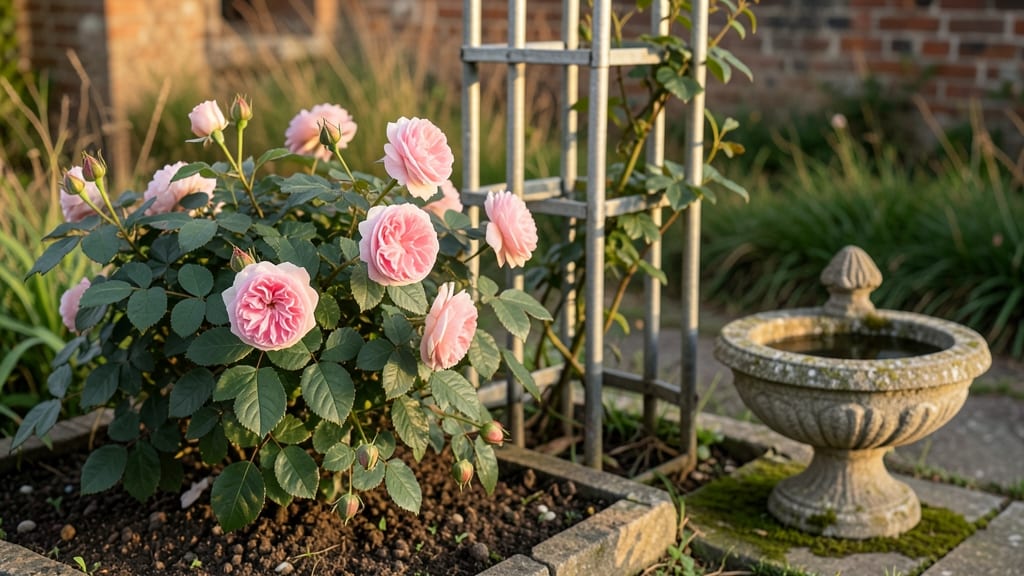
My country cottage & gardens aren’t just about growing plants—they’re about creating a living postcard where every season feels like a storybook. 🌸 The secret lies in layering textures (think gravel paths, wrought-iron trellises, and weathered picket fences) with plants that bloom in waves, so there’s always something to admire.
I learned this after my first attempt—where everything looked "too neat"—left me craving that effortless, lived-in charm.
Start with a color palette of soft pinks, lavenders, and creamy whites, then weave in herbs like rosemary and thyme for their silvery foliage and fragrance. A mix of perennials (peonies, hollyhocks) and annuals (sweet peas, nasturtiums) ensures blooms from spring through fall.
The key? Let vines climb freely over arches or fences—nothing says "cottage" like roses spilling over an old gate.
You’ll end up with a garden that feels like a hug—where the scent of lavender lingers in the afternoon, where children (or dogs) can chase butterflies without trampling anything, and where every corner invites you to linger.
The best part? It’s all achievable with thrifted finds, a few basic tools, and a willingness to let things grow a little wild.
This style thrives in any climate—just swap heat-loving bougainvillea for clematis in cooler zones. The magic isn’t in perfection but in the details: a mismatched bench, a birdbath with chipped paint, or a patch of sunflowers nodding in the breeze.
Let’s make your garden the kind neighbors drive by to admire.
📚 In This Guide
- What you need
- Instructions
- Tips and common mistakes
- Wrapping up and next steps
What you need
- ● Soil & Amendments: Topsoil (2–3 cubic yards per 100 sq ft)
- ● Compost (1–2 bags per 10 sq ft for enriching soil)
- ● Organic matter (e.g., leaf mold or aged manure, 1–2 cubic feet per planting area)
- ● Plants & Seeds: Perennials (e.g., lavender, peonies, or coneflowers—3–5 plants per variety)
- ● Annuals (e.g., marigolds, nasturtiums, or pansies—10–15 plants for borders)
- ● Vegetable starts (e.g., heirloom tomatoes, zucchini, or lettuce—5–10 plants per type)
- ● Herbs (e.g., rosemary, thyme, or basil—3–5 plants for kitchen gardens)
- ● Hardscaping: Gravel or mulch (2–3 bags for pathways or beds)
- ● Stone borders (e.g., flagstone or river rock, 10–20 pieces for edging)
- ● Trellises or arbors (1–2 for climbing plants like clematis or beans)
- ● Decorative Touches: Vintage garden ornaments (e.g., weathered pots, birdhouses, or wind chimes)
- ● Painted wooden signs or stakes (for labeling plants with a cottage feel)
- ● Essential: Garden trowel (for planting small seeds)
- ● Hand fork or digging spade (for turning soil)
- ● Pruners (bypass pruners for clean cuts)
- ● Garden hose with adjustable nozzle (for watering)
- ● Wheelbarrow (for hauling soil or mulch)
- ○ Optional (but helpful!): Rake (for leveling soil or clearing debris)
- ● Garden kneeler/pad (for comfort during planting)
- ● Soil pH tester (to ensure optimal growing conditions)
- ● String & stakes (for guiding climbing plants)
- ● Location: A sunny or partially shaded spot (6+ hours of sunlight daily for veggies; dappled shade for perennials).
- ● Water Access: Proximity to a water source or a portable irrigation system.
- ● Time Commitment: 2–3 hours weekly for maintenance (watering, weeding, pruning).
- ● Budget: $100–$500+ (depending on whether you DIY or invest in pre-planted designs).
- ● Knowledge Level: Beginner-friendly, but research local climate zones and plant hardiness for best results!
Instructions: crafting a whimsical country cottage garden layout
Here's how to blend charm with function for a garden that feels lived-in and magical year-round.
🪴 Step 1: Define Your Garden's Core Zones
Start by sketching four key areas on paper: a herb spiral (3 feet wide), a cutting garden (6x6 feet), a perennial border (4 feet wide), and a whimsical seating nook (5x5 feet). This layout balances productivity with charm—your herb spiral will always be handy for cooking, while the cutting garden ensures fresh bouquets.
Use the 4 gallons of potting mix to create raised beds for tender perennials like lavender and rosemary, which thrive in slightly elevated, well-draining soil. Mark each zone with small garden flags or painted stones—this keeps the space organized while maintaining that cottage-garden feel.
🌱 Step 2: Plant for Seasonal Interest and Texture
Layer plants by height and bloom time: start with 3-foot-tall ornamental grasses (like fountain grass) at the back, then add 2-foot shrubs (dwarf lilacs or hydrangeas) in the middle, and fill the front with 1-foot perennials (like catmint or salvia). This creates depth and ensures something’s always blooming.
Use the 20 bulbs of daffodils and tulips for early spring color, then transition to 15 daylilies for summer, and finally 10 ornamental kales for winter interest. Mulch with 3 bags of straw to suppress weeds and retain moisture—this keeps the garden looking tidy without sacrificing that rustic charm.
☀️ Step 3: Add Whimsical Accents and Functional Touches
Scatter 5 vintage terracotta pots (filled with trailing ivy or sweet alyssum) along pathways to soften edges and add color. Hang 3 wrought-iron wall planters near the seating area with herbs like thyme or parsley—practical yet decorative. These elements break up the space visually while keeping everything usable.
Weave in 2 birdbaths (one shallow for hummingbirds, one deeper for larger birds) and 1 small bee hotel—these attract pollinators and add life to the garden. Place a checkered picnic blanket over a wooden bench to define your seating nook; swap it out seasonally for a cozy throw in fall or a striped beach towel in summer.
💧 Step 4: Establish a Low-Maintenance Watering System
Install 1 drip irrigation kit along the perennial border and cutting garden to deliver water directly to roots. Run the lines beneath mulch to keep them hidden, and use 1 timer to water early in the morning for 20 minutes daily—this mimics natural rainfall and reduces evaporation. Test the system before planting to ensure even coverage.
For the herb spiral and seating area, use 2 watering cans (one with a long spout for tight spaces) to hand-water as needed. This keeps the garden hydrated without the bulk of overhead sprinklers, which can waste water and encourage fungal diseases.
✂️ Step 5: Maintain with Seasonal Pruning and Deadheading
Every 2 weeks in spring and summer, deadhead spent blooms on perennials to encourage more flowers. Use clean, sharp pruners to make cuts just above a set of leaves—this promotes bushier growth. For grasses and ornamental plants, cut back one-third of the foliage in early spring to refresh their shape.
In fall, collect seeds from 5 self-seeding annuals (like cosmos or poppies) and scatter them lightly in the spring for next year’s garden. Rake away debris but leave seed heads on stalks for winter interest—this keeps the garden looking alive even when dormant.
Tips & tricks for perfecting your whimsical country cottage garden
Creating a garden that feels like a storybook requires attention to detail—and a few clever tricks to elevate the charm. Here's what I've learned from designing and maintaining these magical spaces for years.
Layering for Depth and Drama: When arranging your 3-foot-tall ornamental grasses and 2-foot shrubs in Step 2, think vertically as well as horizontally. Place taller elements slightly behind shorter ones to create that "depth illusion" that makes small gardens feel expansive. I like to weave in ornamental kales at the front—their textured leaves add winter interest while framing the view of your whimsical seating nook.
The Herb Spiral Hack: For your 3-foot-wide herb spiral, create the spiral using bricks or stones with a slight upward slope in the center. This natural drainage system prevents water pooling and makes harvesting herbs like rosemary and thyme effortless. The spiral shape also maximizes growing space in small areas—perfect for cottage gardens where every inch counts.
Seasonal Color Planning: To ensure continuous blooms, stagger your planting schedule. Start with 20 bulbs of daffodils and tulips in early fall for spring color, then add 15 daylilies in late spring for summer, and finally plant 10 ornamental kales in late summer for winter. This layered approach guarantees something's always in bloom, creating that "lived-in" look that defines cottage gardens.
Watering System Wisdom: When installing your drip irrigation kit in Step 4, place emitters at the base of each plant rather than along the irrigation line. This targeted approach delivers water exactly where roots need it most, reducing waste and preventing fungal diseases that can occur with overhead watering. The 20-minute daily watering schedule works perfectly for most cottage garden plants when combined with the 3 bags of straw mulch—just monitor soil moisture during heatwaves.
Pro Tips for Country Cottage & Gardens
- Creating a garden that feels like a storybook requires attention to detail—and a few clever tricks to elevate the charm.
- Layering for Depth and Drama: When arranging your 3-foot-tall ornamental grasses and 2-foot shrubs in Step 2, think vertically as well as horizontally.
- The Herb Spiral Hack: For your 3-foot-wide herb spiral, create the spiral using bricks or stones with a slight upward slope in the center.
Frequently asked questions
Got questions about creating your dream country cottage & gardens? You’re not alone! Here are some of the most common queries—and their practical answers—to help you plan with confidence.
What’s the best layout for a small country garden with limited space?
Opt for a mixed-use design with vertical gardening (trellises, wall planters) and raised beds to maximize space. Arrange plants in layers: tall crops (like sunflowers or peas) at the back, mid-height (tomatoes, herbs) in the middle, and low growers (strawberries, lettuce) up front. Add a herb spiral or a keyhole garden for efficiency!
When is the ideal time to plant a country garden?
Timing depends on your climate, but generally:
- Cool seasons (spring/fall): Plant leafy greens, root veggies (carrots, beets), and peas 6-8 weeks before the last frost.
- Warm seasons (late spring/summer): Tomatoes, peppers, and cucumbers thrive after soil reaches 60°F+.
- Year-round charm: Evergreens, lavender, and ornamental grasses add color anytime!
How can I create a cottage garden on a budget?
Start with free/cheap plants: Swap cuttings with neighbors, save seeds from heirloom veggies, or forage wildflowers. Use repurposed materials—old pallets for raised beds, wine bottles as planters, or scrap wood for trellises. Focus on perennials (like rosemary or asparagus) to reduce annual replanting costs.
What’s the best way to deter pests naturally in a cottage garden?
Embrace companion planting (e.g., marigolds repel nematodes, basil deters flies) and diverse plantings to confuse pests. Introduce beneficial insects like ladybugs or lacewings, or use homemade sprays (neem oil, garlic spray). Mulch heavily to deter weeds and burrowing critters—straw or grass clippings work wonders!
Can I mix vegetables with flowers in a cottage garden?
Flower-veggie combos
boost pollinators, improve soil, and add visual charm. Try:
- Nasturtiums (edible, pest-repelling) near tomatoes.
- Calendula (medicinal, deters aphids) with lettuce.
- Borage (bee magnet) alongside strawberries.
Wrapping up and next steps
Transforming your space into a country cottage & gardens haven is all about embracing cozy charm and seasonal beauty—one whimsical touch at a time. 🌿 From rustic veggie patches to fragrant herb borders, these layouts prove that even small plots can yield big rewards.
Whether you’re a seasoned gardener or just starting, the key is to start small, stay consistent, and let your creativity bloom.
Ready to turn your vision into reality? Pick one project—like a raised herb bed or a flower-filled trellis—and dive in this weekend! Your future self (and hungry pollinators) will thank you. 🌸