
Pests
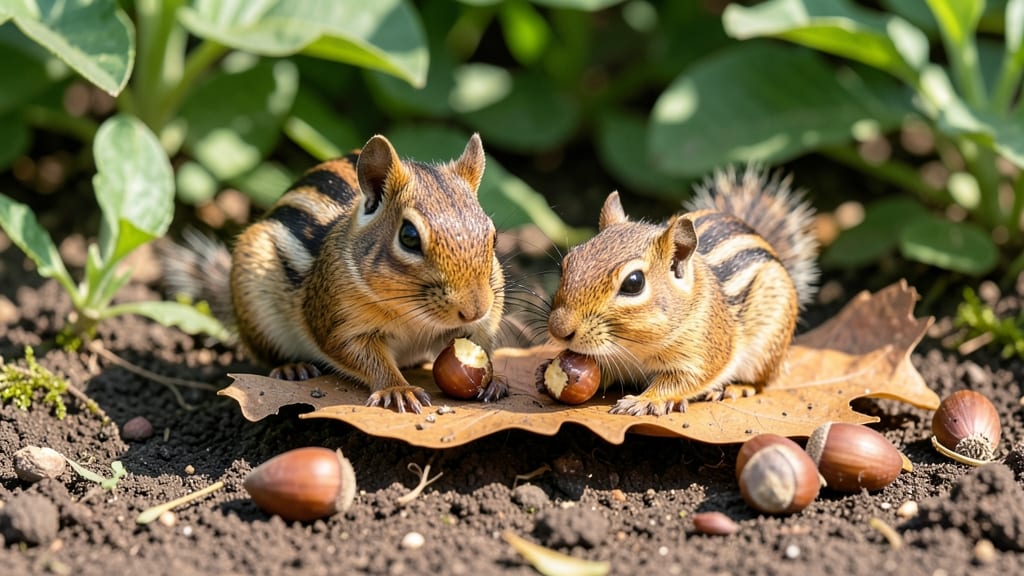
Those tiny striped bandits are stealing your seeds and digging up your soil. 🌱 I've battled chipmunks in my garden for years, and I finally found deterrents that actually work without harming them—or you. The key is combining physical barriers with natural repellents that chipmunks instinctively avoid.
You'll need a few simple supplies: hardware cloth (for burrow barriers), cayenne pepper or red pepper flakes (for sprays), and some old CDs or wind chimes (to scare them off). The best part?
These methods are 100% humane and protect your plants while giving chipmunks a chance to find food elsewhere. I've tried everything from mothballs to ultrasonic devices, and these are the only ones that kept my garden intact.
By the end of this, your garden will be chipmunk-free without any cruelty. You'll see fewer holes in your soil, more seeds germinating, and plants growing strong.
The secret is consistency—chipmunks are smart, but they can't outsmart a well-defended garden. Let's get started with the foolproof techniques that finally worked for me.
Works for any garden size, from small containers to large plots. Whether you're dealing with a single chipmunk or a whole colony, these strategies adapt to your space. No more digging up your hard work—just a peaceful garden where both you and the wildlife can thrive.
📚 In This Guide
- What you need
- Instructions
- Tips and common mistakes
- Wrapping up and next steps
What you need
- ● Wire mesh or hardware cloth (¼-inch or smaller mesh) – Enough to cover vulnerable areas like compost bins, garden beds, or raised beds (10–20 ft, depending on size).
- ● Heavy-duty gloves – For handling spicy deterrents or securing mesh without scratches.
- ● Spicy pepper spray or cayenne pepper – 1–2 small bottles (look for pet-safe, food-grade options).
- ● Motion-activated sprinklers – 1–2 units (battery or solar-powered, with adjustable sensitivity).
- ● Decoy predators (plastic owls, snakes, or coyotes) – 2–3 units (rotate placements to avoid habituation).
- ● Pruning shears or scissors – For trimming plants or securing deterrents.
- ● Ultrasonic repellents – 1–2 devices (check for garden-safe frequencies).
- ● Compost bins with tight lids – To remove food sources (chipmunks love scraps!).
- ● Reflective tape or old CDs – For hanging near entry points (startles them with light flashes).
- ● Pet-safe citrus or vinegar spray – 1–2 bottles (masks scents chipmunks dislike).
- ● Notebook & pen – To track chipmunk activity and adjust deterrents.
Step-by-Step instructions for humane chipmunk deterrents
Here’s my go-to, non-lethal approach to keeping these tiny foragers out of your garden—without harming them.
🪴 Step 1: Secure Food Sources and Remove Attractants
Chipmunks raid gardens for seeds, bulbs, and fruit. Start by eliminating easy snacks: collect fallen fruit from trees, bury or remove seed packets, and store birdseed in metal containers with tight lids. I also cover compost piles with hardware cloth—those are prime buffet spots.
Check under decks, sheds, and patio furniture too. Chipmunks stash food in hidden burrows, so removing scattered scraps cuts off their supply lines. If you’ve got mulch, switch to gravel or coarse wood chips—they can’t dig through it as easily.
🌱 Step 2: Create Physical Barriers Around Plants
Use hardware cloth (1/4-inch mesh) to wrap vulnerable plants, especially young seedlings or bulbs. Bury the edges 6 inches deep to block burrowing. For raised beds, drape the cloth over the top and secure it with stakes—chipmunks can’t climb through the gaps.
Don’t use chicken wire; chipmunks chew through it. I’ve also had luck with plastic tree guards around individual plants like hostas or dahlias. The key is consistency—leave no gaps where they can squeeze in.
☀️ Step 3: Use Motion-Activated Deterrents
Place a motion-activated sprinkler near problem areas. The sudden burst of water startles them without harm. I like models with 3-5 second cycles—longer runs can waste water. Position it where chipmunks travel most, like between garden beds or near compost piles.
If sprinklers aren’t an option, try a wind chime or old CDs hung on strings. The noise and movement confuse them. I’ve seen chipmunks freeze mid-dig when they hear unexpected sounds—it buys your plants time to grow stronger.
⏰ Step 4: Set Up Natural Predator Decoys
Place a fake owl or snake near entry points. Move it every few days so chipmunks don’t get used to it. I’ve had the best luck with life-sized decoys on poles—they’re harder to ignore. Real predators (like owls) hunt at dawn/dusk, so timing matters.
For extra protection, sprinkle predator urine granules (like fox or coyote) around garden edges. The scent signals danger. Reapply after rain—it washes away quickly. This works best when combined with other deterrents.
🌿 Step 5: Plant Chipmunk-Resistant Alternatives
Swap vulnerable plants for chipmunk-deterrent varieties. They dislike lamb’s ear, lavender, and rosemary. I’ve also had success with alliums (ornamental onions)—their strong scent repels them. Even if they nibble, they won’t return to plants that taste bad.
Interplanting with marigolds or nasturtiums can help too. The bold colors and pungent smells mask other plants. Just avoid anything sweet-smelling like mint—it attracts them.
Tips & tricks for effective humane chipmunk deterrents
These practical tricks will help you implement the humane deterrents that actually work—saving your garden without harming these busy little creatures.
Barrier Installation: When burying hardware cloth edges in Step 2, make sure to fold them outward at a 90-degree angle before covering with soil. This prevents chipmunks from digging underneath. I’ve seen them try to tunnel under barriers that weren’t properly secured—don’t make my mistake! Also, for raised beds, use landscape staples instead of regular ones; they grip better and won’t pull out when chipmunks test the barrier.
Motion Deterrent Placement: In Step 3, position your motion-activated sprinkler where chipmunks travel most—typically along garden edges or between plant rows. I’ve found that placing it about 12 inches away from vulnerable plants gives the best coverage without wetting your foliage. For wind chimes or CDs, hang them at varying heights (from 2 to 4 feet) to create unpredictable movement patterns that confuse them.
Predator Decoy Strategy: The key to Step 4's predator decoys is movement. Place them where chipmunks can see them from multiple angles—near pathways or entry points. I rotate mine every 3 days to prevent habituation. For extra realism, add a few drops of predator urine granules around the decoy’s base; the combined visual and scent cues work better together. Remember, chipmunks are most active at dawn and dusk, so these deterrents work best during those times.
Plant Selection: When implementing Step 5, consider the mature size of chipmunk-resistant plants. Lamb’s ear and rosemary grow well together, creating a dense barrier chipmunks avoid. I’ve also found that planting alliums near vulnerable crops creates a natural scent barrier—their strong onion aroma masks other plants’ scents. Just avoid planting mint family members; their sweet fragrance actually attracts chipmunks rather than repels them.
Pro Tips for Chipmunks In Garden
- These practical tricks will help you implement the humane deterrents that actually work—saving your garden without harming these busy little creatures.
- Barrier Installation: When burying hardware cloth edges in Step 2, make sure to fold them outward at a 90-degree angle before covering with soil.
- Motion Deterrent Placement: In Step 3, position your motion-activated sprinkler where chipmunks travel most—typically along garden edges or between plant rows.
Frequently asked questions
Got questions about dealing with chipmunks in your garden? You’re not alone! Here are some of the most common concerns—and practical solutions—to help you keep these tiny troublemakers in check without harming them.
Are chipmunks actually harmful to my garden?
While chipmunks may seem cute, they can cause real damage by digging up bulbs, gnawing on plants, and stealing seeds. Their burrowing can also destabilize soil and harm roots. If left unchecked, they’ll turn your garden into their all-you-can-eat buffet!
What’s the best time of year to deter chipmunks?
Spring and early summer are peak chipmunk season—they’re most active when digging for food and nesting. Start deterrents in late winter to prevent them from claiming your garden as their territory. Fall is also key, as they stockpile food for winter.
Will humane deterrents like pepper spray or ultrasonic devices work long-term?
Humane methods can work, but results vary. Pepper spray may scare them temporarily, while ultrasonic devices often lose effectiveness over time. For better success, combine deterrents—like motion-activated sprinklers, repellent plants (e.g., daffodils or marigolds), and securing trash/food sources.
How do I keep chipmunks from digging up my flower bulbs?
Try these three-layered defenses:
- Physical barriers: Use wire mesh (hardware cloth) over bulbs before planting.
- Natural repellents: Sprinkle cayenne pepper or crushed red pepper around planting areas.
- Distractions: Plant chipmunk-resistant veggies (like peppers or onions) nearby to lure them away.
Can I relocate chipmunks instead of deterring them?
Relocating chipmunks is not recommended—they’re territorial and will likely return. Plus, it’s often illegal without a permit. Focus on humane deterrents (like habitat modification) and make your garden less appealing. If you must move one, contact a wildlife rehabilitator for guidance.
Why do chipmunks keep coming back after I’ve tried deterrents?
Chipmunks are creative problem-solvers! If deterrents fail, they may have found a new food source or entry point. Reassess your strategy:
- Seal gaps in fences or sheds.
- Remove standing water or food scraps.
- Try a different repellent (e.g., predator urine or commercial sprays).
Wrapping up and next steps
Chipmunks may seem adorable, but their presence in your garden can wreak havoc on your plants and stored goods. The good news? With the right humane deterrents—like repellents, exclusion tactics, and habitat adjustments—you can keep them at bay without harming these little critters. 🌱
Start small: try one or two methods and observe what works best for your space. Consistency is key! If chipmunks persist, layer multiple strategies for long-term success. With patience and creativity, you’ll reclaim your garden—chipmunk-free! 🎉
Next step: Pick one deterrent from this guide and give it a try this weekend! Share your results in the comments—we’d love to hear how it goes.