
Pests
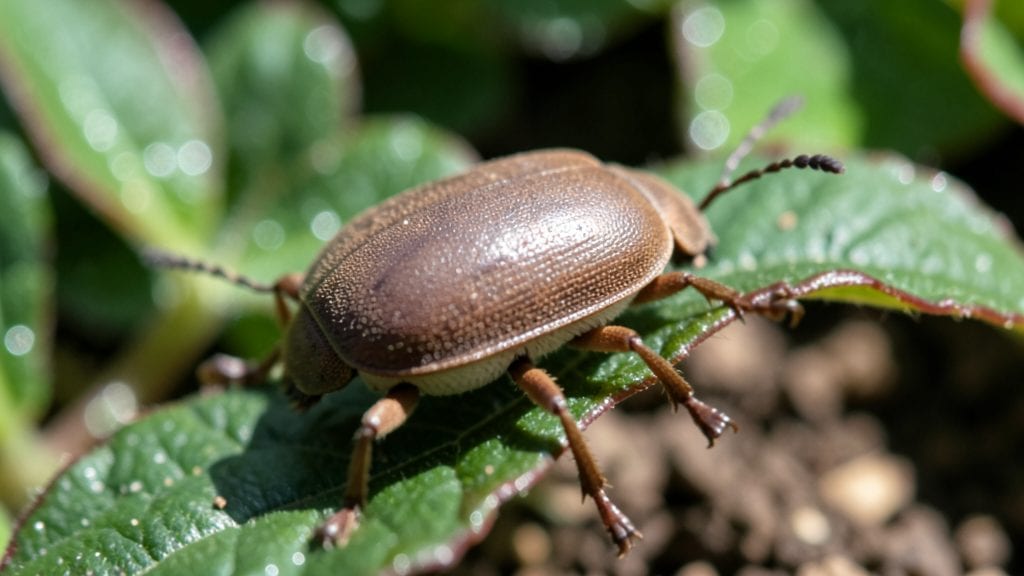
That suspicious brown garden beetle is often the culprit behind your chewed leaves and skeletonized foliage.
The brown garden beetle is the culprit behind your plants' damage. 🌿 I've battled these metallic invaders in my own garden, and what I learned changed how I protect my roses and fruit trees—without harming the soil or beneficial insects.
The beetles thrive in warm weather, and their larvae—grubs—wreak havoc underground, feeding on roots. You'll spot them between May and August, often in clusters on leaves or flowers.
The damage isn't just cosmetic; severe infestations can stunt growth or even kill plants. But here's the good news: organic methods work just as well as chemicals.
With the right approach, you'll see fewer beetles within days and healthier plants by season's end. We'll cover traps that lure them away, sprays that deter them, and companion plants that naturally repel them. No more guessing—just proven strategies that keep your garden thriving.
These solutions work for roses, fruit trees, and even vegetable gardens, so you won’t have to switch tactics. Let’s get your plants back to full, lush health without the harsh chemicals.
Root Causes Of Beetle Infestations
Understanding why these beetles show up in your garden—or why they suddenly become a nuisance—starts with their biology and environment. Brown garden beetles (often confused with Phyllopertha horticola or similar species) don’t just appear randomly; they’re drawn to specific conditions.
Below, we break down the key factors that make your yard an inviting buffet for these pests.
Brown garden beetles thrive in gardens where organic debris is left to rot. Their larvae—grubs—feed on decomposing plant material, roots, and even young seedlings. If your garden has:
- Thick layers of mulch (especially grass clippings or leaf litter)
- Uneaten fruit or vegetable scraps (like melons, tomatoes, or berries)
- Old compost piles that haven’t been turned or heated properly
…you’re essentially rolling out the welcome mat. Why? The beetles’ larvae need moist, nutrient-rich soil to develop, and decaying matter provides the perfect microclimate. Pro tip: 💡 Turn compost regularly and remove overripe produce promptly to disrupt their life cycle.
If your lawn has brown patches that feel spongy when stepped on, grubs (brown garden beetle larvae) are likely the culprits. These pests target:
- Newly seeded grass (grubs chew roots, stunting growth)
- Weak or thin turf (they prefer areas with shallow roots)
- Compacted or waterlogged soil (grubs avoid dry conditions but thrive in dampness)
Why does this happen? Adult beetles lay eggs in late spring/early summer, and the larvae hatch in warm, moist soil—ideal conditions for lawns watered frequently or with poor drainage. Pro tip: 🌡️ Test soil moisture; if it stays soggy for days, grubs may already be feasting.
Brown garden beetles are seasonal pests, with activity peaking in:
- Late spring to early summer (adults emerge to feed on leaves)
- Fall (larvae overwinter in soil, resurfacing in spring)
Weather plays a huge role:
- Warm, humid nights trigger adult beetles to fly and feed.
- Mild winters allow larvae to survive longer, leading to larger populations the next year.
- Heavy spring rains can wash away natural predators (like birds or ground beetles), giving grubs free rein.
Pro tip: ✨ Monitor weather forecasts—if your area predicts unseasonably warm fall nights, beetles may arrive early. Set up traps or barriers before they become a problem.
Healthy gardens have a built-in pest control system: birds, toads, spiders, and even nematodes keep beetle populations in check. But if your ecosystem is disrupted, beetles multiply unchecked. Common disruptors include:
- Overuse of broad-spectrum pesticides (kills beneficial insects like ladybugs or lacewings)
- Monoculture planting (large areas of one plant type offer no diversity for predator habitats)
- Urbanization or habitat loss (fewer hedgerows or wildflower borders mean fewer predator species)
Why does this matter? Without predators, beetle eggs and larvae face zero resistance. Pro tip: 🎯 Plant native flowers (like dill, fennel, or marigolds) to attract predatory wasps and beetles—nature’s cleanup crew.
By addressing these root causes—whether it’s clearing debris, adjusting watering habits, or encouraging predators—you can starve out brown garden beetles before they become a full-blown invasion. The key? Act early and disrupt their cycle at every stage.
Quick Fixes for Garden Invaders
Discovering large, shiny brown beetles munching on your garden can be frustrating, but the good news is there are effective, organic ways to reclaim your plants without harming the soil or beneficial insects.
Below, we’ve mapped out practical solutions based on the most common causes—from overcrowded beetles to weak plants—and included prevention tips to keep your garden thriving long-term.
Brown garden beetles (often mistaken for Japanese beetles) love to chew on foliage, leaving behind jagged edges and skeletonized leaves. Here’s how to stop the damage:
🍳 Handpick During Peak Activity
- When? Early morning or late afternoon when beetles are sluggish.
- How? Wear gloves and drop them into soapy water (1 tbsp dish soap per gallon of water) to kill them instantly.
- Pro Tip: 💡 Use a flashlight at night—they’re slow and easy to spot!
👨🍳 Use Floating Row Covers
- Why? Lightweight fabric blocks beetles while allowing sunlight and water through.
- How? Drape covers over young plants or vulnerable blooms. Secure edges with soil or bricks.
- Bonus: Also deters other pests like cabbage moths.
🥘 Apply Kaolin Clay Spray
- What? A natural, non-toxic spray that coats plants, making them less appealing.
- How? Mix 1 tbsp kaolin clay (like Surround WP) with 1 gallon of water. Spray evenly on leaves.
- Reapply: Every 7–10 days or after rain.
Healthy plants are less tempting to beetles. Strengthen your garden’s defenses with these steps:
🌱 Improve Soil Health
- How? Add compost or aged manure to boost plant resilience.
- Avoid: Over-fertilizing with nitrogen—it attracts more beetles.
- Pro Tip: 🌡️ Mulch with straw or wood chips to retain moisture and deter beetles.
🎯 Plant Repellent Companions
- Best Pairings:
- Garlic, chives, or onions (strong scent confuses beetles).
- Tansy or wormwood (natural deterrents).
- Marigolds (mask plant smells beetles love).
- Avoid: Roses, grapes, or linden trees—their fragrance lures them in.
⏰ Prune Strategically
- When? Remove heavily damaged leaves in the evening to avoid attracting more beetles.
- How? Cut back chewed foliage and dispose of it in sealed bags (not compost).
Break the beetle cycle with these habits to protect your garden season after season:
💡 Early Intervention
- Monitor: Check plants weekly for early signs (tiny holes, chewed edges).
- Act Fast: The sooner you intervene, the less damage occurs.
🌿 Encourage Natural Predators
- Who Helps? Birds, toads, and parasitic wasps eat beetle larvae.
- How? Install a birdbath, avoid pesticides, and plant native wildflowers.
🗓️ Rotate Plantings
- Why? Beetles target the same plants year after year.
- How? Shift vulnerable crops (like beans or grapes) to new spots annually.
🌙 Disrupt Their Life Cycle
- When? Late summer/early fall, when larvae pupate in soil.
- How? Till the top 2–3 inches of soil to expose and dry out pupae (use a broadfork to avoid deep disturbance).
With these targeted fixes, you’ll see fewer beetles in your garden—and healthier plants to boot. The key is consistency: combine immediate action with long-term habits for the best results. 🌱
Frequently asked questions
What plants do brown garden beetles attack most?
Brown garden beetles love feasting on roses, grapes, linden trees, and fruit trees like apples and cherries. They also target vegetables such as beans, corn, and squash. The key is their preference for plants with broad leaves and sweet-smelling flowers.
How do I tell if my garden has brown garden beetle larvae?
Look for spongy brown patches in your lawn or garden beds—this is a classic sign of grubs feeding on roots. Dig up a small section of soil; if you find fat, cream-colored larvae about 1 inch long, those are likely beetle grubs.
Are brown garden beetles harmful to humans or pets?
No, they’re not dangerous. While their bites can be slightly painful (like a pinprick), they won’t transmit diseases. Pets might try to eat them, but they’re harmless. The real concern is the damage they cause to your plants and lawn.
Can I use neem oil to control brown garden beetles?
Yes! Neem oil disrupts their life cycle and deters adults. Mix 2 teaspoons of neem oil with 1 quart of water and 1 teaspoon of mild soap, then spray on leaves. Reapply every 5-7 days during peak activity.
Why do I see more brown garden beetles after rain?
Rain triggers their emergence from soil. Warm, humid conditions after rain make leaves extra tender, and beetles are drawn to moist environments. This is why you’ll spot them most in late spring and summer—perfect storm conditions for their activity.