
Container Gardens
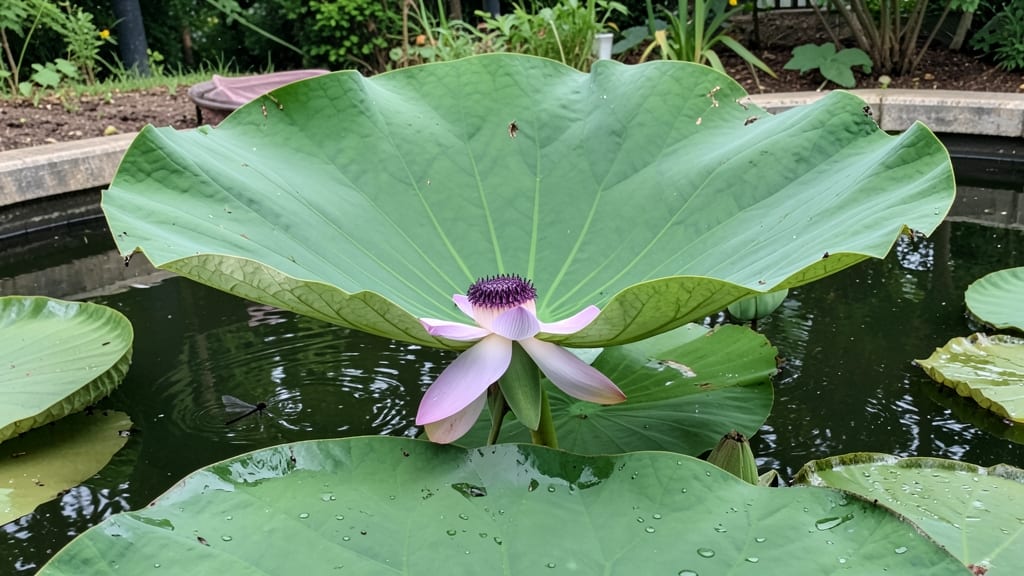
Botanical Gardens Victoria BC offers year-round beauty with its diverse plant collections, themed gardens like Mediterranean and Japanese designs, and free admission for visitors.
Victoria BC's botanical gardens stand out for their carefully curated displays that showcase both local and exotic flora. 🌿 The Mediterranean garden recreates a sun-drenched landscape with olive trees and lavender, while the Japanese garden provides a serene escape with koi ponds and traditional stone lanterns.
Beyond these highlights, the gardens also feature rare carnivorous plants and native BC species, making it a must-visit for plant enthusiasts and casual visitors alike.
One of the garden's biggest draws is its commitment to conservation—many plants are part of breeding programs to preserve endangered species. The seasonal events, from spring tulip festivals to winter plant sales, ensure there's always something new to discover.
Whether you're a serious gardener or just love strolling through lush landscapes, this is a free destination packed with natural wonders.
💡 In This Article
- Exploring Victoria BC’s Most Unique Plant Collections
- Tips for Visiting Botanical Gardens Victoria BC
Exploring Victoria BC’s most unique plant collections
The carnivorous plant collection at Botanical Gardens Victoria BC is a standout feature, housing over 150 species of meat-eating flora from around the world. These plants thrive in specialized bog gardens where they can trap insects using sticky mucilage or specialized leaves.
The Sundews, with their glistening tentacles, and the Venus flytrap, famous for its snapping jaws, demonstrate nature's remarkable adaptations for survival in nutrient-poor environments. 💫
The alpine garden recreates high-mountain ecosystems with plants adapted to harsh conditions. Here, you'll find Edelweiss and Mountain Avens, both species that grow at elevations above 2,500 meters in their native habitats. These plants have evolved unique strategies like dense, silvery hairs to reflect sunlight and reduce water loss.
The garden's microclimate, with carefully controlled watering and airflow, mimics these alpine conditions perfectly, allowing visitors to see these delicate plants thrive in Victoria's mild coastal climate.
For those interested in local ecology, the native BC flora section showcases plants crucial to the region's ecosystems. Species like Pacific Dogwood and Western Red Cedar are highlighted not just for their beauty but for their ecological roles.
The Pacific Dogwood, BC's provincial flower, supports pollinators like hummingbirds, while Western Red Cedar provides habitat for countless wildlife species. This collection serves as both an educational tool and a conservation showcase, demonstrating how these plants have adapted to thrive in BC's diverse climates.
Seasonal blooms play a vital role in the garden's appeal, with each season offering unique highlights. Spring brings tulip festivals featuring over 30,000 bulbs planted in intricate patterns, while summer showcases orchid collections with over 500 species from tropical regions.
The winter months aren't neglected either, with holly collections and evergreen displays that provide year-round color. These seasonal changes create a dynamic experience that keeps visitors returning throughout the year.
The garden's conservation efforts extend beyond display, with active breeding programs for endangered species. For example, the Foothills Whitebark Pine, a critically endangered species, is part of the garden's conservation program.
By growing these plants in controlled environments, the garden helps maintain genetic diversity, which is crucial for their survival in the wild. This hands-on conservation work makes the garden not just a beautiful space but an active participant in plant preservation.
What makes these collections truly special is how they combine education with immersion. The garden's layout guides visitors through different ecosystems, from tropical rainforests to arid Mediterranean landscapes.
Interactive displays explain the ecological relationships between plants and their environments, while guided tours led by horticulturists provide deeper insights into the botanical significance of each collection. This blend of beauty and education creates a memorable experience for all visitors. ✨