
Landscaping
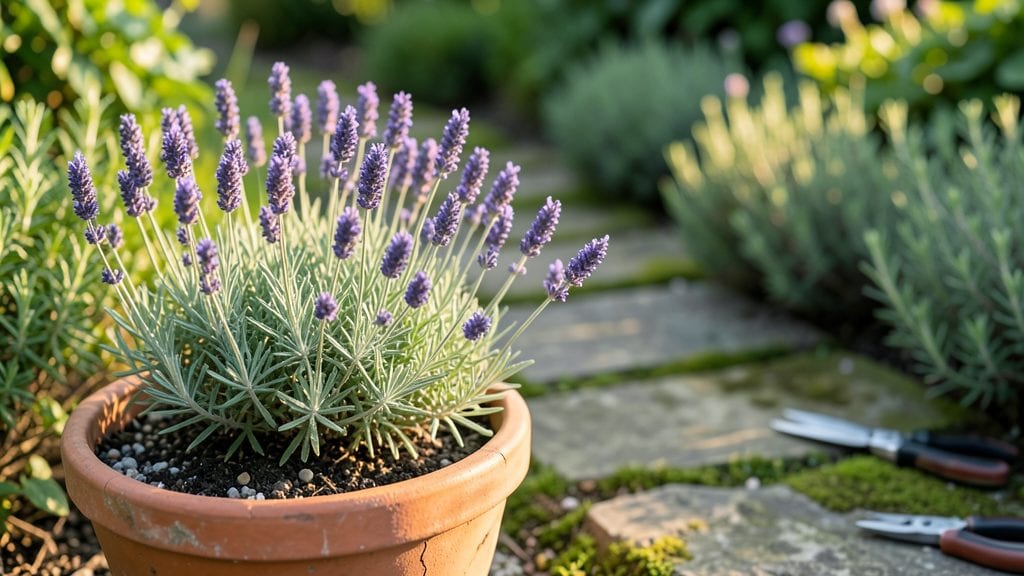
Mediterranean garden design transforms any yard into a sun-drenched retreat where lavender hums with bees and olive trees stretch toward the sky. 🌿 I fell for this style after visiting a hillside garden in Provence—where every stone and pot felt like it belonged, and the scent of rosemary lingered in the warm air long after I left.
The magic isn’t just in the plants but in how they’re arranged: sun-loving shrubs in front, taller trees in back, and hardscapes that guide you through like a storybook path.
The key elements—terracotta pots, weathered stone, and drought-tolerant plants—aren’t just decorative; they’re practical. You’ll need a mix of evergreen shrubs (like myrtle or boxwood) for structure, herbaceous perennials (lavender, salvia) for color, and grasses (fountain grass, blue fescue) for movement.
Even in cooler climates, these plants thrive with the right sun exposure and well-draining soil. The color palette? Think sage greens, sandy beiges, and pops of blue—soft enough to feel timeless, bold enough to stand out.
What you’ll end up with is a garden that feels alive year-round, even in winter. The fragrant herbs stay green under snow, the stone pathways never need mowing, and the fountains or pools add the sound of water that makes everything feel like a vacation.
My own Mediterranean corner now blooms from April through October with almost no extra watering—just the occasional pruning and a little love.
Here’s the best part: this style adapts everywhere. In hot, dry climates, you’ll lean into olive trees and cacti; in milder zones, bougainvillea and citrus take center stage.
The principles stay the same: sun, stone, and scent. Ready to bring a taste of the Mediterranean home? Let’s start with your first layer.
📚 In This Guide
- What you need
- Instructions
- Tips and common mistakes
- Wrapping up and next steps
What you need
- ● Soil & Mulch: Well-draining garden soil (50 sq ft coverage)
- ● Organic mulch (straw, pine needles, or gravel) – 3-4 inches for moisture retention
- ● Hardscaping: Flagstone or travertine tiles (20-30 sq ft, 1-2" thick)
- ● Terracotta pots (mix of small, medium, and large sizes, 10-15 units)
- ● Wrought-iron or olivewood trellises (2-3 units, 6-8 ft tall)
- ● Plants: Drought-tolerant shrubs (rosemary, lavender, olive trees – 3-5 plants)
- ● Ornamental grasses (fountain grass, lemongrass – 5-7 bunches)
- ● Climbing vines (bougainvillea, jasmine – 2-3 plants)
- ● Colorful annuals (geraniums, snapdragons – 20-30 plants)
- ● Required: Shovel & spade
- ● Pruners (bypass & hedge)
- ● Wheelbarrow (for soil/mulch transport)
- ● Level & measuring tape
- ● Garden hose with adjustable nozzle
- ○ Optional (but helpful!): String line & stakes (for layout)
- ● Electric edger (for clean borders)
- ● Garden kneeler (for comfort)
- ● Sunlight: 6+ hours of direct sun daily (Mediterranean gardens thrive in full sun!)
- ● Drainage: Ensure well-draining soil (amend clay soil with sand/compost if needed)
- ● Water Access: Drip irrigation system or soaker hoses (for efficient watering)
- ● Local Regulations: Check permit requirements for hardscaping or water features
Instructions for crafting a Mediterranean garden's structured layers
Here’s how to build a sun-drenched Mediterranean garden with intentional layers that thrive year-round.
🌿 Step 1: Design the Foundation with Hardscapes and Borders
Start by defining your garden’s edges with stone pathways or low walls—classic Mediterranean materials like limestone or flagstone create structure while directing foot traffic. I like to lay 3-inch thick gravel along paths for drainage and a natural look. This prevents soil erosion and keeps weeds at bay.
Use terracotta pots or sunken planters to frame focal points like a citrus tree or lavender bush. These containers elevate plants above ground level, improving airflow and reducing fungal risks. Place them along borders to create a soft transition between hardscape and planting beds.
☀️ Step 2: Plant the Tall Backdrop with Drought-Tolerant Specimens
Begin with olive trees or rosemary bushes as your 6-8 foot tall backdrop—these thrive in full sun and anchor the design. Space them 8-10 feet apart to allow airflow and future growth. I often pair them with lavender or sage for texture and fragrance.
Add climbing roses or jasmine to trellises or arbors for vertical interest. These vines soften the structure while providing shade for lower layers. Prune them in early spring to encourage bushy growth—this ensures they don’t overwhelm the space.
🌱 Step 3: Layer Mid-Height Plants for Texture and Color
Fill the 3-5 foot middle layer with herbs like thyme or perennials like salvia, which bloom prolifically in hot, dry conditions. Space them 18-24 inches apart to avoid competition. I group plants by water needs—drought-tolerant varieties together, thirstier ones near irrigation.
Incorporate grasses like fountain grass or ornamental wheat for movement and contrast. These add height and sway gently in the breeze, creating a dynamic Mediterranean feel. Avoid overcrowding—leave 6-12 inches between clumps for airflow.
🪴 Step 4: Add Low-Growing Ground Covers and Accents
Use creeping thyme or ice plant as ground covers to fill gaps and suppress weeds. These stay green year-round and handle poor, well-drained soil beautifully. Sprinkle them lightly over the soil surface—no need to dig, as they’ll root where they land.
Dot in succulents like sedum or small bulbs like daffodils for pops of color. These thrive in full sun and require minimal water. Place them near pathways or along borders to create visual interest without overwhelming the design.
💧 Step 5: Install Drip Irrigation for Low-Maintenance Care
Run drip lines along pathways, weaving them through plantings for targeted watering. Mediterranean gardens hate soggy roots, so use emitters with adjustable flow to deliver 1-2 inches of water weekly during dry spells. Bury lines 2-3 inches deep to protect them from heat and frost.
Add a rainwater collection barrel near the garden to supplement irrigation. This reduces reliance on municipal water and keeps your plants hydrated during summer droughts. Mulch with 2-3 inches of gravel or bark to retain moisture and deter weeds.
Tips & tricks for perfect Mediterranean garden design
Creating a Mediterranean garden that thrives year-round takes more than just planting—it’s about thoughtful layering and strategic choices that prevent common pitfalls. Here’s how to elevate your design from good to stunning.
Foundation Matters: For Step 1, when laying your 3-inch thick gravel pathways, consider adding a landscape fabric layer beneath it to further suppress weeds. This is especially important in Mediterranean climates where weeds can become aggressive. I also recommend using permeable pavers for pathways—they allow rainwater to seep through, replenishing the soil below. This mimics natural Mediterranean landscapes where water is precious.
Pruning Strategy: In Step 2, when pruning climbing roses or jasmine, focus on open-center shaping rather than shearing. This technique encourages bushier growth and better airflow, reducing fungal risks. I prune in early spring just as new growth begins—this timing ensures you’re not cutting back last year’s blooms if they’re still providing winter interest. The key is to remove one-third of the oldest stems each year to maintain vigor.
Watering Wisdom: The 1-2 inches of water weekly guideline in Step 5 assumes average summer conditions. In extreme heat (above 90°F), increase to 2-3 inches and water in early morning to prevent evaporation. I’ve found that soaker hoses work better than sprinklers—they deliver water directly to the soil without wetting foliage, which reduces fungal diseases common in Mediterranean climates.
Seasonal Layering: For year-round beauty, add evergreen shrubs like boxwood or myrtle to your tall backdrop (Step 2). These provide structure in winter when many Mediterranean plants go dormant. In Step 4, consider adding winter-flowering bulbs like snowdrops among your succulents—they’ll bloom when other plants are resting. The trick is to plant bulbs in late fall so they establish roots before winter.
Pro Tips for Mediterranean Garden Design
- Creating a Mediterranean garden that thrives year-round takes more than just planting—it’s about thoughtful layering and strategic choices that prevent common pitfalls.
- Foundation Matters: For Step 1, when laying your 3-inch thick gravel pathways, consider adding a landscape fabric layer beneath it to further suppress weeds.
- Pruning Strategy: In Step 2, when pruning climbing roses or jasmine, focus on open-center shaping rather than shearing.
Frequently asked questions
Got questions about crafting your dream Mediterranean garden design? You’re not alone! Here are answers to the most common queries to help you get started—or troubleshoot—with confidence.
What’s the best time of year to start a Mediterranean garden?
A Mediterranean garden thrives with spring planting (March–May) when soil warms and rain tapers off. However, drought-tolerant plants like lavender, rosemary, and olive trees can be planted in fall (September–November) to establish roots before summer heat. Avoid winter planting—frost can damage tender species.
How do I keep my Mediterranean garden water-efficient?
Embrace drip irrigation or soaker hoses to deliver water directly to roots, reducing waste. Mulch heavily (3–4 inches of gravel or wood chips) to retain moisture and suppress weeds. Group plants with similar water needs (e.g., xeric plants like sedum with succulents) to streamline care.
Can I create a Mediterranean garden in a cold climate?
Focus on microclimates—south-facing walls, containers, or greenhouses can extend the growing season. Opt for hardy Mediterranean plants like rosemary, thyme, and Russian sage, and use seasonal swaps (e.g., winter pansies or hellebores for summer blooms). Cold-hardy olive trees (e.g., ‘Arbequina’) also work in USDA zones 7–9.
What are low-maintenance Mediterranean garden alternatives?
Skip the fuss with self-sustaining designs:
- Ground covers: Creeping thyme or Sedum (stonecrop) to reduce mowing.
- Perennial shrubs: Cistus (rockrose) or Erica (heath) for year-round structure.
- Gravel paths: Replace grass with pebbles or decomposed granite to cut watering and maintenance.
How do I prevent pests in a Mediterranean garden?
Pests like aphids or snails are less common in Mediterranean gardens, but scale insects or whiteflies can still appear. Encourage natural predators (ladybugs, lacewings) by adding nectar-rich flowers (e.g., marigolds, alyssum). For stubborn issues, neem oil or horticultural soap work gently. Prevention tip: Avoid overwatering—stressed plants attract pests!
Wrapping up and next steps
Creating a Mediterranean garden design is all about embracing warmth, texture, and effortless charm—where every season brings its own kind of magic. From sun-drenched terraces to fragrant lavender hedges, this style transforms even the smallest space into a serene escape.
Whether you’re drawn to rustic stone paths or lush citrus groves, the key is to start small, stay inspired, and let nature guide you.
Ready to bring this dream to life? Sketch your layout, gather a few key plants, and take the first step today! Your sun-kissed oasis awaits—one layer at a time. 🌿✨