
Tools
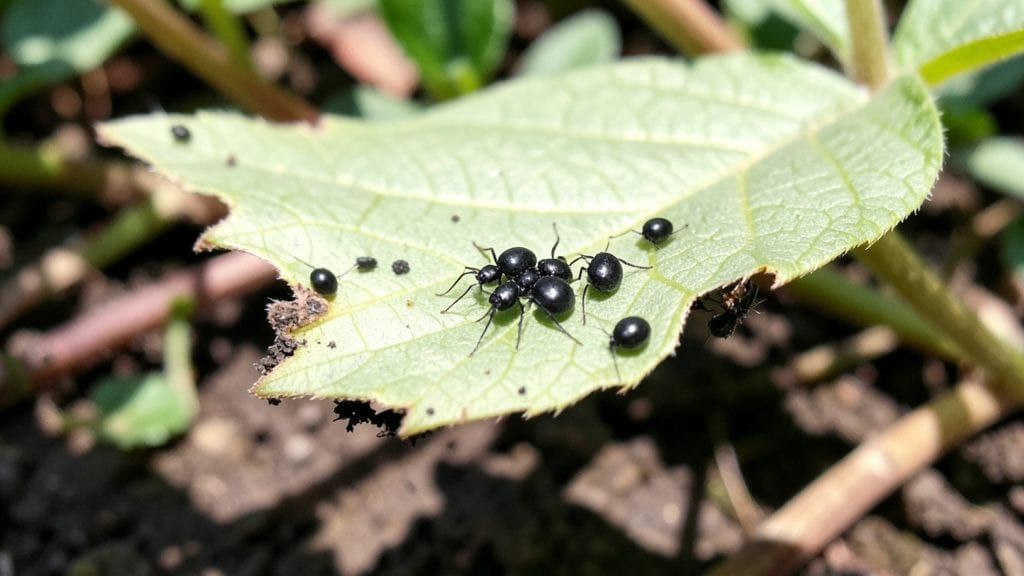
Black garden insects like cutworms and black vine weevils can turn your thriving plants into a buffet overnight. 🌱 I’ve spent years tracking these pests—from the telltale slime trails of slugs to the chewed stems of cutworms—and the key to stopping them isn’t harsh chemicals but smart, targeted traps that work with nature.
The damage isn’t always obvious until it’s too late: missing leaves, wilted seedlings, or hollow stems. But these insects follow patterns—cutworms hide in soil by day, vine weevils lay eggs in mulch, and slugs leave silvery trails after rain. Knowing their habits lets you outsmart them before they outsmart you.
With the right traps—like beer-soaked containers for slugs or cardboard collars for cutworms—you can cut infestations by 90% without chemicals. The payoff? Healthier plants, fewer surprises, and a garden that thrives instead of fights back. Here’s how to set up defenses that actually work.
Works for veggie patches, flower beds, and even houseplants—no matter how bad the infestation looks, these methods adapt. Let’s get your garden back on track.
Root Causes Of Dark Garden Invaders
Black or dark-colored insects in your garden aren’t just an eyesore—they’re often a sign of deeper issues at play. Understanding why these pests appear helps you tackle the problem at its source.
Below, we break down the most common triggers, from environmental factors to plant health, so you can take precise action.
Excess moisture creates the perfect breeding ground for soil-dwelling pests like black fungus gnats, cutworms, or even dark-colored beetles. Here’s why:
- Fungal Growth: Damp soil encourages mold and decay, which attract insects feeding on organic matter. Black fungus gnats, for example, thrive in soggy potting mix because their larvae feed on fungal hyphae.
- Root Stress: Waterlogged roots weaken plants, making them more vulnerable to pests. Dark-colored cutworms or wireworms target stressed seedlings, often appearing as black, worm-like creatures near the soil surface.
- Compaction Issues: Heavy clay or compacted soil traps moisture, creating anaerobic zones where pests like black vine weevils (larvae) burrow and feed on roots.
Actionable Fix: Improve drainage with organic matter (compost or perlite) and avoid overhead watering. Let the top inch of soil dry between waterings.
Plants under stress—whether from disease, nutrient deficiencies, or physical damage—emit chemical signals that attract pests. Dark insects like aphids, scale insects, or blackfly larvae often target compromised plants. Here’s how it happens:
- Sap Feeding: Pests such as black aphids or mealybugs are drawn to plants with high sugar content (a sign of stress). Their dark bodies are a result of sooty mold they secrete, which thrives on their honeydew.
- Defoliation Cycles: Once pests like black cutworms or earwigs start feeding, they create entry points for secondary infections (e.g., bacterial soft rot), which further stress the plant and invite more pests.
- Nutrient Imbalances: A lack of nitrogen or phosphorus weakens plant defenses. Dark-colored root-knot nematodes (microscopic but destructive) flourish in nutrient-poor soil, stunting growth and turning leaves yellow—a beacon for other pests.
Actionable Fix: Boost plant health with balanced fertilizer (look for NPK ratios like 10-10-10) and neem oil sprays to deter early infestations.
Piles of leaves, mulch, or dead plant material act as hiding spots and food sources for dark garden insects. Common culprits include:
- Black Soldier Fly Larvae: These beneficial (but often mistaken for pests) larvae feed on decaying organic matter. While they help break down debris, their dark, worm-like appearance can be alarming.
- Darkling Beetles: These small, black beetles thrive in compost heaps and leaf litter, emerging to feed on fungi and decaying plant material.
- Sowbugs/Pillbugs: Though harmless, their dark, armored bodies are often found in moist, mulchy areas where they decompose organic waste.
Actionable Fix: Regularly clear debris from garden beds, especially near plant bases. Use straw mulch (instead of thick layers of wood chips) to reduce moisture retention.
Temperature and humidity swings directly impact pest populations. Dark insects often peak during warm, humid periods because:
- Rapid Reproduction: Many black pests, like black vine weevils or cutworms, lay eggs in soil that hatch faster in heat. Their larvae then feed aggressively on roots or stems.
- Dormant Pest Awakening: Overwintering insects (e.g., black slugs or millipedes) emerge in spring when soil warms, often appearing as dark, slimy trails or segmented bodies.
- Humidity Love: High moisture levels (common in summer) create ideal conditions for black fungus gnats and soil mites, which thrive in damp microclimates.
Actionable Fix: Monitor local weather forecasts and apply kaolin clay or diatomaceous earth as a barrier during peak pest seasons.
Pro Tip: 💡 Early detection is key—check under leaves, in mulch, and near water sources daily. A handheld UV flashlight (365nm) can reveal hidden dark pests that blend into foliage during the day!
Natural Fixes for Dark Garden Pests
Dealing with black garden insects can feel like a losing battle, but with the right strategies, you can reclaim your garden without harsh chemicals. Below are targeted solutions based on common causes—from overcrowded plants to poor soil health—and practical steps to keep pests at bay.
Prevention is key, so we’ve included easy tips to stop future infestations before they start.
When plants compete for nutrients, they weaken and attract pests like aphids, cutworms, or black vine weevils. Here’s how to fix it:
- 🔥 Prune aggressively: Remove yellowing or damaged leaves to reduce hiding spots for insects.
- 🍳 Space plants properly: Follow seed packet guidelines for spacing—crowded roots = pest buffet.
- 👨🍳 Boost soil health: Mix in compost or worm castings to improve root strength naturally.
- ⏰ Water deeply but less often: Encourages deep roots and deters moisture-loving pests.
💡 Pro Tip: Mulch with straw or wood chips to retain moisture and block weeds (which pests love).
Dark, slimy insects like fungus gnats or black mold mites thrive in damp, stagnant conditions. Break the cycle with these steps:
- 🔪 Trim dead foliage: Remove infected leaves immediately—don’t compost them!
- 🌡️ Improve airflow: Space plants 6–12 inches apart and prune to let air circulate.
- 💧 Water at the base: Avoid overhead watering to prevent fungal spores from spreading.
- ✨ Use beneficial microbes: Spritz plants with Trichoderma fungus or mycorrhizal inoculant to outcompete pests.
🎯 Prevention Hack: Add a thin layer of sand to potting mix to improve drainage and deter fungus gnats.
If black beetles, grubs, or wireworms are tunneling through roots, the soil itself may need a reset. Try these methods:
| Problem | Solution |
|---|---|
| Grubs or wireworms | Apply neem oil or beneficial nematodes (like Steinernema carpocapsae) to the soil. |
| Black vine weevil larvae | Solarize soil in summer (cover with clear plastic for 4–6 weeks) or use kaolin clay as a barrier. |
| General soil fatigue | Rotate crops annually and add biochar or composted manure to restore balance. |
🔥 Quick Fix: For container gardens, replace the top 2 inches of soil and repot to starve out buried pests.
Lure and trap pests without poisons using these garden-safe methods:
- 🍎 Apple cider vinegar trap: Mix 1 cup vinegar + 1 drop dish soap in a jar. Cover with plastic wrap, poke holes, and place near infested areas (attracts fungus gnats).
- 🥗 Beer pitfall trap: Bury a small cup filled with beer—black vine weevils and slugs will drown in it.
- 🌿 Yellow sticky traps: Hang near plants to catch flying pests like aphids or whiteflies.
- 🐛 Handpick at dawn: Many black insects (like cutworms) are sluggish in the morning—drop them in soapy water.
💡 Safety Note: Always wear gloves when handling pests—some (like black widow spiders) can hitchhike!
With these fixes, your garden can bounce back stronger. The key is consistency: combine quick fixes with long-term soil care, and you’ll send black garden invaders packing—for good.
Frequently asked questions
Are all black garden insects harmful to my plants?
Not necessarily! Some dark insects are actually beneficial. For example, black soldier fly larvae break down organic matter in compost, while ground beetles eat harmful pests like slugs. Focus on identifying the specific type—look for damage patterns (chewed leaves, slime trails) to determine if action is needed.
How do I tell the difference between cutworms and black vine weevil larvae?
Cutworms are smooth, hairy caterpillars that hide in soil by day and cut stems at night. Black vine weevil larvae are legless, C-shaped grubs with brown heads. Check for wilting seedlings (cutworms) or sawdust-like frass near roots (weevils)—both need different treatments.
Will diatomaceous earth work on all black garden pests?
No—it only works on insects with exoskeletons that crawl (like slugs, cutworms, or aphids). It won't harm soft-bodied pests like snails or soil-dwelling grubs. For those, try beer traps or nematodes instead. Apply a thin layer around plant bases and reapply after rain.
Can I use coffee grounds to repel black garden insects?
Coffee grounds can help deter some pests (like slugs and ants) when sprinkled around plants, but they're not a universal solution. The caffeine acts as a natural repellent, but it won't kill established infestations. For best results, mix with kaolin clay and reapply weekly during wet periods.
What's the fastest way to stop black beetles from damaging my seedlings?
For immediate results, handpick beetles at dawn (they're sluggish then) and drop them in soapy water. Then apply a barrier of sand or crushed eggshells around seedlings. For prevention, use row covers until plants are established—this blocks beetles while allowing sunlight and water through.