
Pests
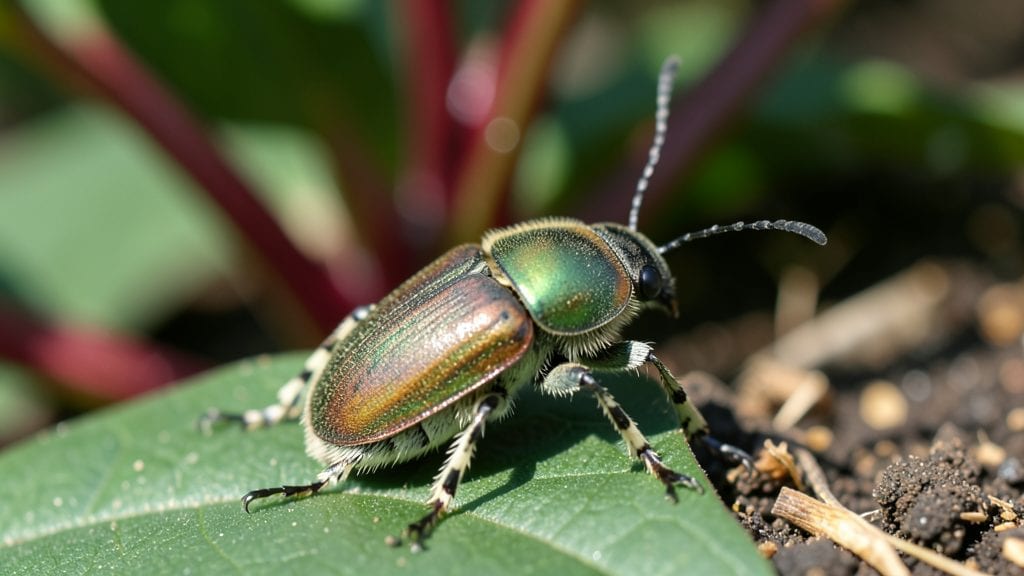
Japanese beetles, Colorado potato beetles, and June bugs can turn your garden into a skeleton of chewed leaves in days. 🌿 I’ve spent years testing traps, and these lure-and-destroy systems actually work—some even clear out pests within 48 hours without harming your plants.
The secret isn’t brute force; it’s understanding their behavior and cutting off their food supply at the source.
Most beetles are drawn to specific scents—like damaged leaves, ripe fruit, or even the smell of other beetles. That’s why traps filled with grapevine prunings or beer-soaked rags work so well: they mimic the exact conditions beetles can’t resist.
Once they’re lured in, they drown or get trapped before they can multiply. It’s not just theory—I’ve seen entire swarms disappear after setting up these traps in my own yard.
You’ll end up with a garden where leaves stay intact, flowers bloom undisturbed, and your vegetables grow without the telltale skeletonized damage. The best part? These traps are cheap, reusable, and non-toxic—no harsh chemicals needed.
Plus, they work for other pests like cucumber beetles and flea beetles too. Let’s get those beetles out of your garden for good.
Whether you’re dealing with a sudden invasion or just want to stay ahead, these traps adapt to different beetle types and garden sizes. No more waiting until your roses look like lace or your tomatoes get riddled with holes.
Here’s exactly how to set them up and keep your plants thriving.
Root Causes Of Beetle Infestations
Beetles don’t just wander into your garden by accident—they’re drawn in by a mix of environmental cues, plant chemistry, and even human habits. Understanding these triggers helps you prevent and control them before they become a full-blown problem.
Here’s why your garden might be beetle central, broken down by the real drivers behind the invasion.
Beetles, especially Japanese beetles and colorado potato beetles, have a nose for trouble—or rather, for volatile organic compounds (VOCs) released by stressed or decaying plants. When leaves are chewed, bruised, or overripe, they emit signals that beetles interpret as a feast waiting to happen.
- 🔬 Science Behind It: Plants release green leaf volatiles (GLVs) when damaged, which act like a dinner bell for beetles. These compounds are also found in fermenting fruits (like overripe tomatoes or fallen berries), making them irresistible.
- 🌿 Actionable Fix:
- Remove fallen fruit, wilting leaves, or plant debris immediately—don’t let it linger.
- Prune plants regularly to reduce stress signals (overcrowded or nutrient-deficient plants emit more VOCs).
- Avoid over-fertilizing with nitrogen—it can make plants softer and more appealing to beetles.
Your gardening routine might be unwittingly creating a beetle buffet. Common practices like mulching with untreated wood, composting organic waste, or even watering at the wrong time can turn your garden into a beetle hotspot.
| Habit | Why It Works for Beetles | How to Fix It |
|---|---|---|
| Leaving mulch too thick or using untreated wood chips | Moist, decaying mulch mimics beetle breeding grounds. Japanese beetles lay eggs in grassy areas under mulch layers. | Use cedar or pine mulch (less attractive) and keep layers 2–3 inches thick. |
| Watering late in the day | Beetles are nocturnal and seek damp soil to lay eggs. Evening watering keeps soil moist longer, signaling "safe nesting." | Water early morning (6–9 AM) to let soil dry by nightfall. |
| Composting meat or dairy scraps | Attracts carpet beetles and other scavengers that later migrate to plants. | Stick to plant-based compost or use a sealed bin for non-vegetable waste. |
Some plants are like magnets for beetles because they’ve evolved alongside them. Japanese beetles, for example, have a chemical lock-and-key relationship with roses, grapes, and linden trees, while flea beetles target nightshades like tomatoes and peppers.
- 🌺 Top Beetle Magnet Plants:
- Japanese beetles: Roses, grapes, raspberries, linden trees, and marigolds (ironically, marigolds attract them first but can be used in traps!).
- Colorado potato beetles: Potatoes, eggplants, tomatoes, and peppers.
- Flea beetles: Cabbage, spinach, beets, and cucumbers.
- 🛡️ Defensive Planting:
- Interplant repellent herbs like basil, mint, or catnip near vulnerable crops.
- Use trap crops (e.g., plant a separate patch of marigolds or mustard greens to lure beetles away from main crops).
- Avoid planting monocultures—beetles thrive when their favorite food is in one concentrated area.
Beetles are temperature-sensitive, and your garden’s microclimate can turn it into a beetle paradise—or a no-go zone. Warm, humid conditions speed up their life cycle, while cool, dry areas slow them down.
- 🌡️ Ideal Beetle Conditions:
- Japanese beetles: Thrive in 75–90°F (24–32°C) with high humidity.
- Colorado potato beetles: Prefer 60–80°F (15–27°C) and moist soil for egg-laying.
- Flea beetles: Active in 60–85°F (15–29°C) and seek shelter under debris.
- 🌬️ How to Disrupt Their Comfort:
- Install row covers or fine mesh netting to block adult beetles from laying eggs.
- Use reflective mulch (like aluminum foil) to raise soil temps and deter egg-laying.
- Improve airflow with pruning and spacing plants to reduce humidity in leaf canopies.
Pro Tip: 💡 Monitor your garden’s "beetle risk factors" by checking for:
- Newly hatched larvae in soil (tiny, worm-like creatures).
- Skeletonized leaves (chewed but veins remain).
- Adult beetles at dawn/dusk (they’re sluggish in heat).
Beat Back Beetles Fast
Beetles in your garden aren’t just a nuisance—they can devour plants, spread diseases, and turn your green oasis into a buffet. But don’t fret! With the right strategies, you can eliminate them in 48 hours or keep them at bay long-term.
Below, we break down the most effective fixes for common beetle pests, from quick traps to preventive measures.
These metallic green and copper beetles are notorious for skeletonizing leaves and flowers. Here’s how to stop them:
🍳 Set Up a DIY Trap (48-Hour Fix)
- Fill a bucket with soapy water (1 gallon water + 2 tbsp dish soap).
- Add a beer or fruit bait (like overripe apples or grapes) to lure them in.
- Hang the trap near affected plants—beetles will drown within hours.
👨🍳 Handpick and Drop
- Go out early morning when beetles are sluggish.
- Drop them in soapy water or crush them (wear gloves!).
- Repeat daily for a week to break their cycle.
🌿 Prevent Future Infestations
- Plant trap crops like marigolds or roses to divert them.
- Apply neem oil (mix 2 tbsp with 1 quart water + spray weekly).
- Avoid overwatering—beetles love damp soil.
These striped invaders target potatoes, tomatoes, and eggplants. Act fast before they multiply!
🔪 Pick Off Adults and Larvae
- Check plants daily—remove beetles and orange larvae by hand.
- Drop them in a sealed bag or soapy water.
⏰ Use Row Covers Early
- Cover seedlings with lightweight fabric to block adults.
- Remove covers when flowers appear to allow pollination.
🌡️ Heat Treatment (For Severe Cases)
- Soak infested soil in hot water (140°F for 30+ minutes) to kill larvae.
- Rotate crops yearly to disrupt their lifecycle.
These tiny black beetles thrive in moist soil and damage seedlings. Starve them out!
💡 Reduce Moisture
- Let soil dry between waterings—fungal gnats need dampness to survive.
- Use saucers under pots and empty them after watering.
🌿 Beneficial Nematodes
- Apply nematodes (Steinernema feltiae) to soil—they paralyze larvae.
- Water lightly after application to help them spread.
✨ Sticky Traps for Adults
- Place yellow sticky traps near plants to catch flying adults.
- Replace traps weekly for maximum effectiveness.
Stop beetles before they start with these proactive steps:
- Mulch properly—use straw or wood chips to deter burrowing beetles.
- Encourage predators—ladybugs, birds, and toads eat beetle larvae.
- Rotate crops—beetles target the same plants yearly; mix it up!
- Clean up debris—remove fallen leaves and plant waste where beetles hide.
With these fast-acting solutions, your garden will be beetle-free in no time. And remember: prevention is the best offense—stay vigilant, and your plants will thrive!
Frequently asked questions about garden beetle pests
What’s the fastest way to tell if my garden has beetle larvae vs. adult beetles?
Check for skeletonized leaves (adult beetles) or tiny worm-like creatures in soil (larvae). Adults chew leaves between veins, while larvae burrow into roots or stems. Early morning is best—beetles are sluggish then and easier to spot.
Can I use beer traps for all types of beetles, or just Japanese beetles?
Beer traps work best for Japanese beetles and flea beetles, but they’re less effective for Colorado potato beetles. For those, handpick adults or use soapy water traps. Pro tip: Add a splash of grape juice to the beer—it’s even more irresistible!
How often should I reapply neem oil to keep beetles away?
Spray neem oil every 5–7 days during active beetle season (spring–summer). It breaks down quickly in sunlight, so reapply after rain. For heavy infestations, mix 2 tbsp neem oil + 1 quart water + 1 tsp dish soap for better adhesion.
Will beneficial insects like ladybugs actually eat beetle larvae?
Yes! Ladybugs, lacewings, and ground beetles devour Japanese beetle larvae and Colorado potato beetle eggs. Release them at dusk when they’re most active. Avoid pesticides—even organic ones—to protect these predators.
What’s the best time of day to set up beetle traps for maximum effectiveness?
Set traps early morning (6–9 AM) when beetles are sluggish and haven’t yet spread out. Check traps every 24 hours—empty drowned beetles to avoid odors attracting more. Evening is also good for flea beetles, which are active at dusk.