
Lawn
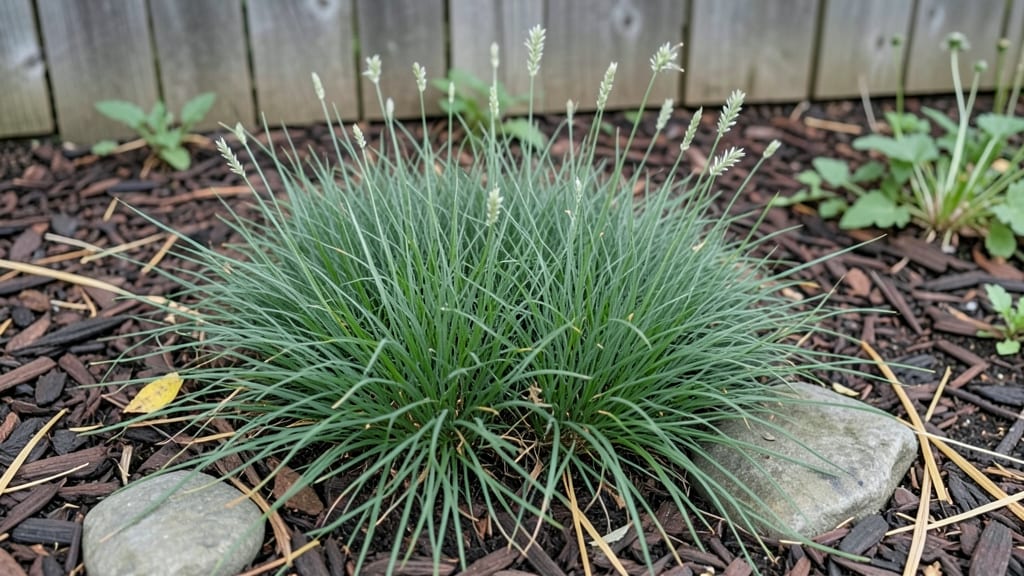
Grass in garden beds isn’t just a weed—it’s a moisture-retaining powerhouse that can transform your planting areas into lush, low-maintenance spaces. ✨ I’ve used it as a natural border between my flower beds and the lawn, and the difference in how quickly soil stays damp is shocking.
Instead of mulch that dries out or weeds that take over, grass creates a living barrier that keeps moisture locked in while looking intentional.
The best part? It works with almost any plant. My perennial flowers thrive right up against the grass edges, and even my vegetable beds stay hydrated longer when bordered by it.
You’ll still need to mow occasionally, but the trade-off is worth it—less watering, fewer weeds, and a clean, polished look that blends seamlessly with your garden design. It’s especially useful in hot climates where soil dries out fast.
You’ll notice a cooler, damper microclimate in your beds, which is a game-changer for moisture-loving plants like hostas or lettuce. The roots of the grass also suppress weeds naturally, so you spend less time pulling them.
Plus, it’s a great way to use that grass clippings you’d normally toss—just chop them fine and spread them as a living mulch.
For best results, keep the grass 2–3 inches tall along bed edges to maximize moisture retention without shading out nearby plants. If you’re worried about it spreading, use edging or a narrow strip of pavers to contain it.
It’s a simple tweak that makes a big difference in how your garden stays lush and hydrated all season long.
Why Grass Invades Garden Beds
Grass sneaking into garden beds isn’t just an eyesore—it’s a sign your plants are competing for resources. Understanding the root causes (literally!) helps you outsmart this persistent intruder. Here’s why it happens and how to tackle it head-on.
Grass seeds lie dormant in the soil, waiting for the perfect conditions to sprout. If your garden beds weren’t properly cleared before planting, lingering grass roots or seeds can take over.
Even a thin layer of topsoil can trap dormant grass seeds, which germinate when moisture and sunlight hit just right.
Why it’s a problem:
- Seed banks: Many lawn grasses produce thousands of seeds per square foot. If you till or disturb the soil without removing all grass, you’re essentially planting a future infestation.
- Root fragments: Cutting grass roots during removal leaves behind pieces that regrow, especially if they’re still attached to the soil.
- Competition for nutrients: Grass grows aggressively, stealing water and nutrients from your garden plants before they even get a chance.
Actionable fix:
- Double-check removal: Use a sod cutter or shovel to lift and remove all grass, including roots. For stubborn patches, apply vinegar or corn gluten meal (a natural pre-emergent) before planting.
- Test your soil: Conduct a soil test to ensure pH and fertility are optimal for your garden plants—not grass. Amending with compost or organic matter helps crowd out weeds naturally.
Grass thrives in moist conditions, and if your garden beds stay too wet, you’re essentially giving it a growth boost. Overwatering or poor drainage creates the perfect environment for grass seeds to germinate and spread.
Why it’s a problem:
- Moisture triggers germination: Grass seeds need consistent moisture to sprout. If your irrigation system or watering habits keep the soil damp, you’re signaling to seeds: “Party time!”
- Shallow root zones: Many garden plants have deeper roots, but grass spreads horizontally. Excess water encourages lateral growth, making it harder to control.
- Fungal hitchhikers: Overly wet soil can also introduce fungi that help grass roots establish faster.
Actionable fix:
- Adjust watering habits: Water deeply but infrequently (1–1.5 inches per week) to encourage deeper garden plant roots while discouraging grass.
- Improve drainage: Amend heavy clay soil with sand or perlite, or install French drains if water pools in low spots.
- Use drip irrigation: Target water directly to plants, avoiding overspray that moistens garden bed edges where grass lurks.
Mulch isn’t just for looks—it’s a living barrier against grass. Without it, sunlight reaches the soil, warming it and signaling grass seeds to germinate. Even sparse mulch leaves gaps for invaders.
Why it’s a problem:
- Sunlight = Grass’s best friend: Grass seeds need light to photosynthesize and grow. Bare soil is an open invitation.
- Temperature fluctuations: Mulch regulates soil temperature, but without it, heat cycles can wake up dormant grass seeds.
- Erosion and disturbance: Wind or foot traffic can expose fresh soil, creating new germination spots.
Actionable fix:
- Apply thick mulch (3–4 inches): Use wood chips, straw, or shredded leaves—just avoid dyed mulch, which can harm plants.
- Choose dense ground covers: Plants like creeping thyme, clover, or ajuga outcompete grass by forming a living mat.
- Replenish mulch seasonally: Top up after rain or as it breaks down to maintain the barrier.
Grass spreads because it’s a bully in the plant world—fast-growing, resilient, and opportunistic. If your garden beds are sparse or struggling, grass fills the void like a vacuum.
Why it’s a problem:
- Empty spaces = Grass’s opportunity: Thin plantings leave room for grass to colonize before your garden plants fill in.
- Slow starters: Many vegetables and perennials take weeks to establish. Grass germinates in days, giving it a head start.
- Weak competitors: Some garden plants (like lettuce or marigolds) are shallow-rooted and can’t outcompete grass for resources.
Actionable fix:
- Plant densely: Use interplanting (e.g., fast-growing radishes with slower carrots) to crowd out grass.
- Choose aggressive garden allies: Plants like basil, nasturtiums, or comfrey grow vigorously and suppress weeds naturally.
- Succession plant: Keep beds full year-round with cover crops (like winter rye) to prevent bare soil.
If your lawn edges border garden beds, mowing can accidentally scatter grass seeds and clippings—turning your lawn into a grass seed cannon.
Why it’s a problem:
- Seed dispersal: Many grasses (like Kentucky bluegrass) produce seeds that hitchhike on mower blades or blow into garden beds.
- Clipping buildup: Grass clippings left near garden edges decompose and release nitrogen, fertilizing grass seeds to grow faster.
- Root intrusion: Lawn roots can creep into garden beds, especially if the transition isn’t clearly defined.
Actionable fix:
- Create a buffer zone: Install edging (metal, plastic, or stone) to block grass roots and seeds.
- Mow strategically: Keep lawn edges short and dry to reduce seed production. Collect clippings near garden beds.
- Use a string trimmer with caution: Avoid tossing clippings into garden areas—contain them in the lawn.
Grass often wins because garden plants are nutrient-starved while grass thrives in imbalanced conditions. Soil pH, fertility, or herbicide residue can tip the scales in grass’s favor.
Why it’s a problem:
- High nitrogen: Lawns are often fertilized with nitrogen, which grass loves—but garden plants may not need as much, leading to uneven growth.
- pH mismatches: Grass prefers neutral to slightly alkaline soil (6.0–7.5), while many veggies (like blueberries) need acidic soil (4.5–5.5). If your garden beds aren’t adjusted, grass dominates.
- Herbicide drift: Residual herbicides (like pre-emergents) can kill garden plants but leave grass unharmed, creating a weed-free lawn but grassy garden.
Actionable fix:
- Test and amend soil: Adjust pH with lime (to raise) or sulfur (to lower). Add compost or balanced fertilizer (like 5-5-5) to support garden plants.
- Avoid broad-spectrum herbicides: Use targeted spot treatments (like vinegar or boiling water) near garden beds to kill grass without harming plants.
- Use organic mulches: They improve soil structure over time, giving garden plants a competitive edge.
Grass seeds have peak germination windows, and if you’re not proactive, they’ll take over before you notice.
Why it’s a problem:
- Spring and fall are prime time: Cool, moist conditions in early spring or late summer/fall trigger grass seed germination.
- Summer heat can fool you: Some grasses (like crabgrass) lie dormant until soil warms, then explode in growth when you least expect it.
Actionable fix:
- Pre-emergent timing: Apply corn gluten meal (in early spring) or pre-emergent herbicides (late winter) to block seeds before they sprout.
- Post-emergent control: If grass pops up, use vinegar (for small patches) or manual removal (like a dandelion digger) before it spreads.
- Stay vigilant: Check garden beds weekly in spring and fall for early grass sprouts.
Easy Ways to Manage Unwanted Grass
Now that you understand why grass invades your garden beds, let’s tackle the solutions—whether you want to remove it, suppress it, or even repurpose it to your advantage. Below are targeted fixes for common causes, along with prevention tips to keep your garden beds lush and weed-free.
Cause: Grass seeds or rhizomes creep into garden beds from adjacent lawns. Fix: Create a physical or chemical barrier to stop the invasion.
- 🔪 Install an Edging Barrier
- Use metal, plastic, or wooden edging (like landscape timbers) to block grass roots.
- Bury it 4–6 inches deep to prevent underground spread.
- Pro Tip: 💡 Add cardboard or landscape fabric underneath to smother grass before planting.
- 🌱 Apply Pre-Emergent Herbicide (If Needed)
- For stubborn grass, use a pre-emergent herbicide (like corn gluten meal) in early spring before seeds germinate.
- Warning: Avoid this if you’re planting seeds—it can harm them too!
- 🌿 Mulch Heavily with Organic Material
- Spread 3–4 inches of wood chips, straw, or pine needles to block sunlight and smother grass.
- Replenish mulch seasonally to maintain effectiveness.
Cause: Lightweight grass seeds (like crabgrass) blow into beds from lawns, driveways, or neighboring yards. Fix: Remove existing grass and prevent new seeds from taking root.
- 👨🍳 Hand-Pull or Smother First
- Pull young grass when soil is moist (easier to remove).
- For larger patches, cover with black plastic or thick cardboard for 4–6 weeks to kill it via sunlight deprivation.
- Pro Tip: 🌡️ Water the area before smothering—moist soil helps grass die faster.
- 🔪 Use a String Trimmer or Weeder Tool
- For stubborn grass in tight spots, a hula hoe or dandelion digger works better than a shovel.
- Warning: ⏰ Do this before seeds mature—grass can spread quickly!
- 🌱 Plant a Living Mulch
- Grow dense ground covers (like clover, creeping thyme, or ajuga) to outcompete grass.
- These plants suppress weeds naturally while adding beauty.
Cause: Grass loves moisture and can outcompete garden plants in soggy soil. Fix: Improve drainage and adjust watering habits.
- ✨ Amend Soil for Better Drainage
- Mix in compost, sand, or perlite to loosen heavy clay soil.
- For waterlogged areas, create raised beds with gravel or amended soil.
- 💧 Adjust Watering Practices
- Water garden beds deeply but less frequently (encourages deep roots in plants, not grass).
- Use drip irrigation or soaker hoses to target plants, not the entire bed.
- Pro Tip: 🎯 Water early in the morning to reduce evaporation and fungal issues.
- 🌿 Choose Drought-Tolerant Plants
- Replace moisture-loving plants with native perennials or succulents that thrive with less water.
- Examples: Lavender, sedum, or ornamental grasses (which you plant!).
Cause: Deep roots or buried seeds regrow after initial removal. Fix: Stay vigilant and reinforce barriers.
- 🌱 Solarize the Soil (For Stubborn Patches)
- Cover the area with clear plastic sheeting for 6–8 weeks in hot sun to kill remaining grass roots.
- Best for: Small, contained patches in warm climates.
- 💡 Use Vinegar or Boiling Water (Spot Treatment)
- Mix 1 gallon of vinegar + 1 oz dish soap and spray directly on grass (avoid desirable plants).
- Caution: This kills all plants—use carefully!
- 🌿 Plant a Grass-Free Border
- Add a 1–2 foot buffer of gravel, rocks, or ornamental plants between lawn and garden beds.
- Bonus: This also improves curb appeal!
- 🔥 Mow Lawn Edges Tightly – Keeps grass from spreading into beds.
- 🌡️ Monitor Soil Moisture – Grass thrives in wet conditions; adjust irrigation.
- 💡 Use Grass-Free Mulch – Avoid straw from hay fields (often contains grass seeds).
- 🌿 Plan Ahead – Before planting, clear all grass and roots from the area.
By combining removal, suppression, and smart planting, you can reclaim your garden beds—whether you want a weed-free paradise or a low-maintenance, grass-friendly space. 🌿✨
Frequently asked questions
Can grass actually help my garden beds retain moisture?
A narrow strip of grass along bed edges can act as a natural moisture barrier by slowing evaporation. The roots create a shallow root zone that holds water near the surface while allowing it to slowly seep into garden soil. For best results, keep the grass 2–3 inches tall—taller grass shades soil more but may compete with nearby plants for light.
Will grass spread into my vegetable garden if I plant it nearby?
Yes, but you can control it with proper barriers. Use metal or plastic edging buried 4–6 inches deep to block rhizomes, or create a 1-foot gravel border between lawn and garden. For organic solutions, try cardboard + mulch or dense ground covers like creeping thyme to outcompete grass naturally.
How often should I mow grass bordering garden beds?
Mow every 1–2 weeks during growing season to prevent seed production. Keep the height at 2–3 inches—this balances moisture retention with weed suppression. Avoid mowing when soil is wet, as this can spread grass clippings into garden areas.
Can I use grass clippings as mulch in garden beds?
Only if you've confirmed they're pesticide-free and from a grass-free area. Fresh clippings can mat down and smother plants, so chop them finely first. For best results, mix them with wood chips or straw (1:3 ratio) to improve aeration and prevent compaction.
What's the best grass type for garden bed borders?
Choose fine fescue or creeping red fescue—they spread slowly and stay green in partial shade. Avoid aggressive grasses like Kentucky bluegrass or Bermuda, which spread via rhizomes. For ornamental beds, consider ornamental grasses (like carex) that add texture while suppressing weeds.