
Tools
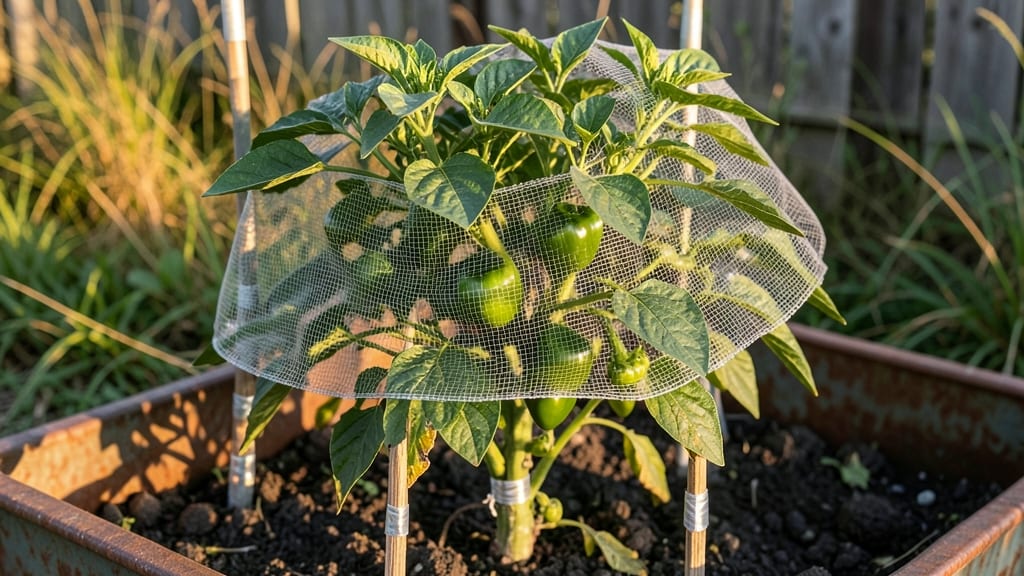
A bird deterrent garden isn't about chasing them away—it's about outsmarting them with clever design. I learned this the hard way after my prize-winning tomatoes turned into a bird buffet last summer. The key is using plants, textures, and placement that make your garden feel unwelcoming without sacrificing beauty.
Start with plants birds avoid: rosemary, lavender, and marigolds all have strong scents that deter feathered visitors. Add shiny surfaces—old CDs, aluminum pie pans, or even a solar-powered wind spinner—to create unpredictable movements that confuse birds.
For physical barriers, try netting over vulnerable plants or installing bird spikes along edges without ruining your garden's look.
You'll see results within days as birds lose interest in your space. The best part? Your garden stays lush and productive while looking intentional, not like a DIY scare tactic. Even my neighbor's persistent blue jays finally moved on after I added a few strategic plants and reflective objects.
This works for vegetable gardens, flower beds, or even patio containers. The secret is combining multiple tactics—birds are smart, so you need to make your garden feel like a place they'd rather avoid than conquer. Let's design something they won't want to land on.
📚 In This Guide
- What you need
- Instructions
- Tips and common mistakes
- Wrapping up and next steps
What you need
- ● Reflective Objects: Old CDs/DVDs (5–10 pieces)
- ● Aluminum pie pans or foil (2–3)
- ● Wind chimes (metallic, 1–2 sets)
- ● Visual Deterrents: Fake owls or predator decoys (2–4)
- ● Plastic snakes or rubber snakes (3–5)
- ● Mylar tape or ribbon (1–2 rolls, 1"–2" wide)
- ● Physical Barriers: Bird netting (medium gauge, enough to cover vulnerable areas)
- ● Spikes or prickly plants (e.g., holly bushes, thorny roses)
- ● Tools for Installation: Scissors or wire cutters
- ● Staple gun + staples (for securing netting)
- ● Tape (outdoor-rated, duct tape, or zip ties)
- ● String or fishing line (for hanging reflective objects)
- ● Motion-activated sprinklers (battery/solar-powered)
- ● Ultrasonic bird repellents (check local regulations)
- ● Predator urine granules (fox or coyote-scented)
- ● Bird-safe plants (e.g., marigolds, lavender—birds dislike their scent!)
- ● LED solar lights (to mimic daytime and deter nighttime visitors)
Step-by-Step instructions for creating a bird deterrent garden
Here’s how to design a visually striking yet functional garden that outsmarts birds without harming them.
Choose Strategic Plant Placement to Disrupt Bird Perches
Birds avoid gardens with limited landing spots and unpredictable visuals. Start by planting thorny shrubs like barberry or pyracantha along property edges—their sharp foliage discourages perching. I like to intersperse these with tall grasses (such as fountain grass) that sway in the breeze, creating movement that startles birds. Place these plants in clusters of 3-5 feet apart to maximize coverage without leaving gaps.
Next, add smooth-leaved plants like boxwood or holly, which lack perching-friendly branches. Birds instinctively avoid surfaces that offer no grip. Arrange these in a staggered pattern, ensuring no two shrubs align to create a straight flight path. This forces birds to navigate unpredictably, making them more likely to leave the area entirely.
Install Reflective and Moving Decoys for Visual Disruption
Birds rely heavily on visual cues, so reflective surfaces like old CDs or wind chimes create erratic light patterns that confuse them. Hang 3-5 CDs from strings at varying heights (between 4-6 feet) near problem areas. The shifting reflections mimic predators or other birds, triggering avoidance behavior. I’ve found that positioning them near bird feeders or fruit trees yields the best results.
Complement these with solar-powered moving decoys, such as a spinning owl or fluttering bird cutouts. These should be placed 10-15 feet apart to cover larger areas. Birds associate movement with danger, so even simple options like a pinwheel or fluttering ribbon can work. Rotate decoys every 2-3 weeks to prevent birds from habituating to them.
Incorporate Strong-Scented Plants to Mask Food Odors
Birds are drawn to gardens where food sources are easy to spot. To counteract this, plant strong-scented herbs like rosemary, lavender, or mint near vulnerable areas. These plants release volatile oils that mask the aroma of ripe fruit, seeds, or spilled birdseed. I recommend planting them in small clusters of 5-7 plants, spaced 18 inches apart, to create a concentrated scent barrier.
For added effect, add citrus-scented plants like lemon thyme or geraniums. The citrus notes repel many bird species while also attracting beneficial insects that further disrupt bird activity. Place these near patio areas or entryways, where birds are most likely to linger. The combined scent profile creates an environment that feels hostile to foraging birds.
Use Physical Barriers in High-Risk Zones
For areas where birds cause significant damage—such as vegetable gardens or fruit trees—install netting or fine mesh. Use 1/4-inch hardware cloth or bird netting stretched over trellises or cages to block access without harming the plants. Secure the netting tightly to prevent birds from tearing it open. This method is especially effective for berry bushes or young fruit trees, where birds peck at developing fruit.
If netting isn’t practical, try sloped roofs or overhangs on raised beds. Birds struggle to land on steep surfaces, so angling soil mounds or using angled board edges can deter them. For ground-level plants, spread gravel or coarse mulch in a 2-foot radius around the base. The uneven texture makes it difficult for birds to take off or land smoothly.
Maintain the Garden to Keep Birds Off-Guard
Bird deterrents lose effectiveness if the garden becomes predictable. Prune thorny shrubs regularly to maintain their sharp appearance, and rotate decoys every few weeks to prevent birds from ignoring them. I also recommend removing fallen fruit or seeds promptly—even a few scattered berries can attract a flock. Keep the garden tidy by raking up debris and trimming overgrown branches, which birds use as perches.
Finally, introduce predator-scented deterrents like predator urine (available at garden centers) around the perimeter. The scent signals danger and reinforces the garden’s unwelcoming nature. Reapply every 4-6 weeks or after heavy rain. Combine this with regularly moving reflective objects, and you’ll create an environment that feels constantly unpredictable to birds.
Tips & tricks for perfect bird deterrent gardens
Creating an effective bird deterrent garden requires strategic thinking—birds are clever, and they’ll quickly learn to ignore predictable tactics. Here’s how to maximize your garden’s effectiveness with subtle but powerful enhancements.
Plant Placement Psychology: When arranging your thorny shrubs and smooth-leaved plants in Step 1, create visual "dead zones" by placing them in irregular patterns rather than straight lines. Birds rely on predictable flight paths, so breaking up straight lines with staggered clusters forces them to navigate unpredictably. For example, if you have a long property edge, alternate thorny shrubs with tall grasses every 3-5 feet but offset each row by 1-2 feet. This creates a maze-like effect that confuses their spatial memory.
Reflective Object Placement: In Step 2, the key to effective reflective deterrents isn’t just quantity—it’s strategic placement. Hang your 3-5 CDs at varying heights between 4-6 feet, but position them near high-traffic bird areas like feeders or fruit trees. I’ve found that placing one CD slightly above eye level (around 5 feet) and others at lower heights creates a more disorienting effect. Birds will instinctively avoid areas where they can’t predict visual patterns, making this a subtle but powerful deterrent.
Scent Layering Technique: For Step 3, create a "scent gradient" by planting your strong-scented herbs in concentric circles around vulnerable areas. Start with the most potent scents (like rosemary) closest to problem spots, then layer with milder scents (like lavender) as you move outward. This creates a progressive barrier that masks food odors more effectively than isolated plantings. For example, surround a berry bush with a 2-foot ring of rosemary, then a 3-foot ring of lavender, and finally a 4-foot ring of mint.
Maintenance Calendar: The most overlooked aspect of bird deterrent gardens is consistent upkeep. Create a simple maintenance schedule: prune thorny shrubs every 6 weeks to maintain their sharp appearance, rotate decoys every 2-3 weeks (as specified in Step 2 and Step 5), and remove fallen fruit immediately. I’ve seen gardens lose effectiveness within weeks when homeowners skip maintenance—birds quickly adapt to static environments. Set phone reminders for your maintenance tasks to ensure long-term success.
Pro Tips for Bird Deterrent Garden
- Creating an effective bird deterrent garden requires strategic thinking—birds are clever, and they’ll quickly learn to ignore predictable tactics.
- Plant Placement Psychology: When arranging your thorny shrubs and smooth-leaved plants in Step 1, create visual "dead zones" by placing them in irregular patterns rather than straight lines.
- Reflective Object Placement: In Step 2, the key to effective reflective deterrents isn’t just quantity—it’s strategic placement.
Frequently asked questions
What’s the best time of year to set up bird deterrents?
Spring and early summer are ideal—birds start nesting and scavenging then. Install deterrents before they establish territories (March–May in most regions). For year-round protection, combine visual scare tactics (like reflective tape) with physical barriers (netting) in fall/winter when birds seek shelter.
Will these methods hurt the birds?
No! Ethical bird deterrents avoid harm. Opt for non-lethal solutions like motion-activated sprinklers, ultrasonic devices, or decoy predators (owls, hawks). Always check local wildlife laws—some areas restrict certain methods. Humane deterrents protect birds and your garden!
Are there affordable DIY alternatives to commercial deterrents?
Try these budget-friendly hacks:
- Reflective tape: Wrap it around strings or CDs and hang near trouble spots. Birds hate the flashing light.
- Wind chimes: Hang them near plants—movement and sound disrupt feeding.
- Fake predators: DIY owl cutouts or inflatable snakes (move them weekly to stay effective).
How do I keep birds off my veggie garden without scaring them away permanently?
Rotate deterrents every 2–3 weeks to prevent birds from getting used to them. Use a mix of visual (scarecrows, tape) and physical barriers (netting over crops). For stubborn birds, try a spray bottle with water (harmless but startling) or plant bird-repellent herbs like mint or lavender nearby.
My deterrents aren’t working—what’s the fix?
Troubleshoot with this checklist:
- Placement: Ensure deterrents are visible from bird perches (roofs, trees, fences).
- Movement: Static decoys lose effectiveness—relocate them weekly.
- Combine methods: Use sound (wind chimes) + visual (reflective tape) for better results.
- Eliminate food sources: Secure trash cans, pick ripe fruit promptly, and avoid leaving pet food out.
Wrapping up and next steps
Creating a bird deterrent garden doesn’t have to be complicated—just strategic! 🌿 With the right mix of visual tricks, reflective surfaces, and natural predators, you can keep unwanted feathered visitors at bay while keeping your garden thriving.
The key is consistency and observation: tweak your setup as needed, and soon you’ll enjoy a peaceful outdoor space without the chaos.
Ready to take action? Start small—test a few deterrents in one section of your garden, monitor the results, and expand what works. Your bird-free oasis is just a few steps away! 🚀