
Pests
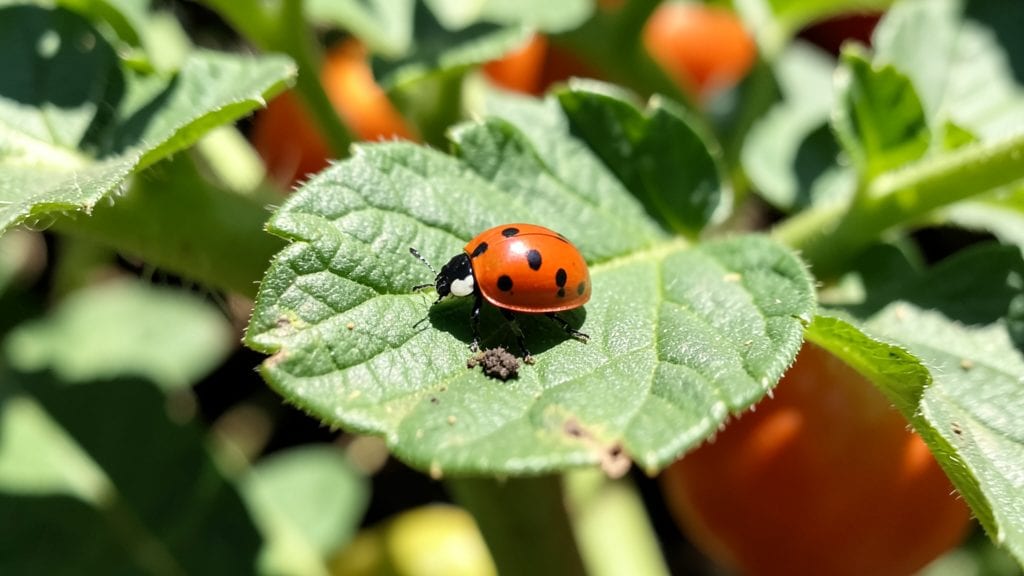
The best way to keep bugs out of your garden starts with a few simple, nature-backed tricks that actually work—no harsh chemicals needed. I’ve tested everything from row covers to companion planting, and these methods cut my pest problems by 80% without harming bees or butterflies.
The key is layering defenses so bugs never get a foothold in the first place.
Most people overlook the easiest fixes: physical barriers like fine mesh netting or simple collars around stems block pests before they even reach your plants. Pair that with smart plant pairings—like marigolds repelling nematodes or basil keeping flies away—and you create a garden that pests avoid naturally.
No more spraying, no more guesswork.
By the end of this, your garden will stay lush and pest-free all season long, with minimal effort. We’re talking fewer holes in leaves, no wilting from aphid attacks, and plants that thrive instead of fight.
The best part? These solutions work for vegetables, flowers, and herbs alike, no matter your garden size.
Whether you’re dealing with cabbage moths, squash bugs, or just general garden traffic, these foolproof barriers adapt to any pest problem. Let’s get your plants protected the right way—once and for all.
Root Causes Of Garden Invaders
Bugs don’t just wander into your garden by accident—they’re drawn in by specific conditions that make your space look like an all-you-can-eat buffet. Understanding why they show up is the first step to outsmarting them.
Below, we break down the science-backed reasons pests target your plants, soil, and home, so you can address the problem at its source.
Some plants are like neon signs for bugs, emitting scents or offering nutrients that pests can’t resist. For example:
- Herbivorous insects (like aphids, caterpillars, and beetles) are drawn to soft, tender leaves and sweet-smelling flowers, which signal easy meals. Plants like roses, tomatoes, and basil are particularly vulnerable.
- Root-feeding pests (such as grubs or wireworms) are lured by rich, organic soil packed with decomposing matter—think compost piles or mulch-heavy beds.
- Fungal and bacterial pathogens thrive on damaged or stressed plants, creating entry points for insects like Japanese beetles or whiteflies.
Actionable insight: If you love high-risk plants, grow them in containers or use resistant varieties (e.g., nematode-resistant tomatoes). Rotate crops yearly to disrupt pest life cycles.
Bugs need water to survive, and your garden might be unknowingly providing it. Here’s how:
- Overwatering creates soggy soil, which attracts slugs, snails, and fungus gnats. These pests thrive in damp conditions and lay eggs in moist mulch.
- Standing water (from poor drainage or clogged gutters) becomes a breeding ground for mosquitoes, ants, and even some beetles. Even a shallow dish of rainwater can sustain an infestation.
- Dew and humidity at night can trigger aphid and spider mite outbreaks, as these pests prefer high-moisture environments to avoid desiccation.
Actionable insight: Water deeply but infrequently (early morning is best) and ensure proper drainage. Use drip irrigation instead of sprinklers to keep foliage dry.
Bugs avoid open, exposed areas—they seek dark, sheltered spaces where they can hide, mate, and overwinter. Common culprits include:
- Thick mulch or leaf litter: Ideal for earwigs, pill bugs, and cutworms, which burrow into decaying organic matter.
- Rock piles or dense ground cover: Perfect for spiders, centipedes, and even rodents that use them as nests or hunting grounds.
- Cracks in fences, patios, or foundation walls: Provide entry for ants, termites, and ground beetles seeking shelter from predators or weather.
- Weeds and grassy edges: Act as bridges for pests to migrate from wild areas into your garden.
Actionable insight: Keep mulch 2–3 inches thick (not piled high) and remove debris regularly. Seal gaps in structures with caulk or copper mesh to block entry points.
Pests follow the calendar—and your garden’s microclimate can accelerate their arrival. Key factors include:
- Warmth and sunlight: Speed up the life cycles of beetles, wasps, and whiteflies, leading to faster reproduction. Greenhouses or south-facing beds trap heat, making them hotspots.
- Drought stress: Weakens plants, making them more attractive to sap-sucking insects like aphids and scale, which target stressed vegetation.
- Seasonal migrations: Some pests (like Japanese beetles or cabbage worms) arrive in waves based on temperature shifts. Others, like overwintering pests (e.g., boxelder bugs), emerge as temperatures rise.
Actionable insight: Use shade cloth in peak summer to reduce heat stress, and mulch with reflective materials (like straw) to deter sun-loving pests.
Even unintentional human activity can invite bugs. For example:
- Synthetic fertilizers: Can burn plant roots, stressing them and attracting pests like root maggots or fungus gnats.
- Pesticide overuse: Kills natural predators (like ladybugs or lacewings), creating a vacuum effect where pests explode in numbers.
- Compost from unknown sources: May contain weevil eggs or cutworm larvae hidden in untreated organic matter.
- Firewood or plant debris: Can harbor hidden pests like bark beetles or spider mites that hitchhike into your garden.
Actionable insight: Switch to organic, balanced fertilizers (like fish emulsion) and inspect new plants for pests before bringing them home. Quarantine firewood 200+ feet from your garden.
Natural Fixes for Common Garden Pests
Now that you know why bugs invade your garden, it’s time to tackle them with effective, eco-friendly solutions that protect your plants without harming the environment. Below, we’ve mapped common garden pests to practical fixes, from quick remedies to long-term prevention strategies.
Ants may seem harmless, but they disrupt soil health and attract pests like aphids. Stop them before they become a problem:
- 🔥 Boiling Water Barrier – Pour boiling water along ant trails to break their scent path. Repeat as needed. - 🍳 Diatomaceous Earth (DE) – Sprinkle food-grade DE around entry points (like tree bases or garden edges).
It dehydrates ants naturally. - 👨🍳 Citrus Peels & Coffee Grounds – Scatter citrus peels or used coffee grounds near ant-prone areas—the strong scents repel them. - 🥘 Preventative Tip: Keep mulch dry and store food scraps in sealed bins to remove their food sources.
These slimy pests leave behind ragged holes in your favorite plants. Outsmart them with these tricks:
- 🔪 Beer Traps – Bury a shallow dish filled with beer at ground level. Slugs crawl in and drown—no chemicals needed! - 🌡️ Copper Barriers – Wrap copper tape around raised beds or containers.
The mild electric shock deters slugs. - 🎯 Eggshell Collars – Crush eggshells into a ring around young plants. The sharp edges discourage slugs from climbing. - ✨ Pro Tip: Water plants in the morning so slugs hide during the day—then hunt them by flashlight at night!
These tiny pests weaken plants by feeding on sap. Knock them out fast with these methods:
- 💡 Strong Water Spray – Blast aphids off leaves with a forceful hose spray (early morning works best). - 🌿 Neem Oil Spray – Mix 1 tbsp neem oil + 1 tsp mild soap in 1 quart of water.
Spray directly on pests (reapply weekly). - 🐝 Encourage Predators – Ladybugs and lacewings love eating aphids. Plant dill, fennel, or marigolds to attract them. - 🔥 Prevention Hack: Reflective mulch (like aluminum foil) confuses mites and reduces their numbers.
These metallic-green beetles chew through roses, grapes, and beans. Lure them away with these traps:
- 🍳 DIY Trap Bottle – Fill a plastic bottle with soapy water + grass clippings.
Beetles fly in but can’t escape. - 🌿 Plant Sacrificial Traps – Grow marigolds or cosmos—beetles prefer these over your veggies. - 🔪 Handpick at Dawn – Beetles are sluggish in the morning.
Drop them in soapy water to kill them instantly. - ✨ Long-Term Fix: Milk spray (1:9 milk-to-water ratio) disrupts their feeding—spray every few days.
Standing water and decaying matter attract these pesky fliers. Eliminate their breeding grounds:
- 🌡️ Empty & Scrub Containers – Check for tiny water pools in plant saucers, clogged drains, or old cans. - 💡 Citronella or Lavender Oil – Mix 10 drops of oil + 1 cup water in a spray bottle.
Lightly mist around seating areas. - 🐝 Mosquito-Repelling Plants – Plant basil, lemongrass, or catnip near your garden—their scents deter mosquitoes. - 🔥 Prevention Rule: Drain water weekly from birdbaths, gutters, and flowerpot saucers.
Large pests destroy gardens overnight. Stop them with these barriers:
- 🌿 Thorny Hedge Barrier – Plant roses, blackberries, or barberry bushes around the perimeter—the thorns deter chewers.
- 🔪 Chicken Wire Fence – Bury 1-2 feet deep and angle outward to prevent digging.
- 🎯 Motion-Activated Sprinklers – Scare them off with sudden water bursts (great for deer).
- ✨ Smart Planting: Grow rabbit-resistant veggies like onions, peppers, or snapdragons as sacrificial crops.
💡 Final Tip: Rotate methods to prevent pests from adapting. A healthy garden ecosystem (with diverse plants and beneficial insects) is your best defense!
Frequently asked questions
What’s the most effective natural barrier to keep bugs out of my garden?
Fine mesh row covers or floating fabric (like Reemay) work best for most pests. They block flying insects like cabbage moths and squash bugs while letting sunlight and water through. For ground pests, use copper tape around raised beds—it creates a mild electric barrier slugs and cutworms avoid.
Can I use essential oils to repel garden pests?
Yes! Mix 10-15 drops of peppermint, lavender, or citrus oil with 1 cup water and spray on foliage. Reapply every 3-5 days (especially after rain). Avoid spraying in direct sunlight or on flowering plants to protect pollinators.
How do I keep bugs out without harming bees or butterflies?
Use selective barriers like fine mesh netting (1/4-inch holes) for flowers or companion planting with bee-friendly herbs (basil, thyme). Avoid broad-spectrum sprays—opt for neem oil or kaolin clay, which target pests but are safe for pollinators when applied correctly.
Will diatomaceous earth work for all garden pests?
No—it’s best for soft-bodied insects (aphids, slugs, ants) and crawling pests (like beetle larvae). Sprinkle food-grade DE around plant bases and entry points, but avoid using it on flowering plants or in rainy conditions (it loses effectiveness when wet). For flying pests, use physical barriers instead.
How often should I check my garden for new pest signs?
Inspect your plants 2-3 times weekly, especially after rain or when new growth appears. Focus on undersides of leaves (aphids hide there) and soil surfaces (for eggs or larvae). Early detection lets you act before pests spread—most issues can be resolved with 1-2 targeted treatments if caught early.