
Companion Plants
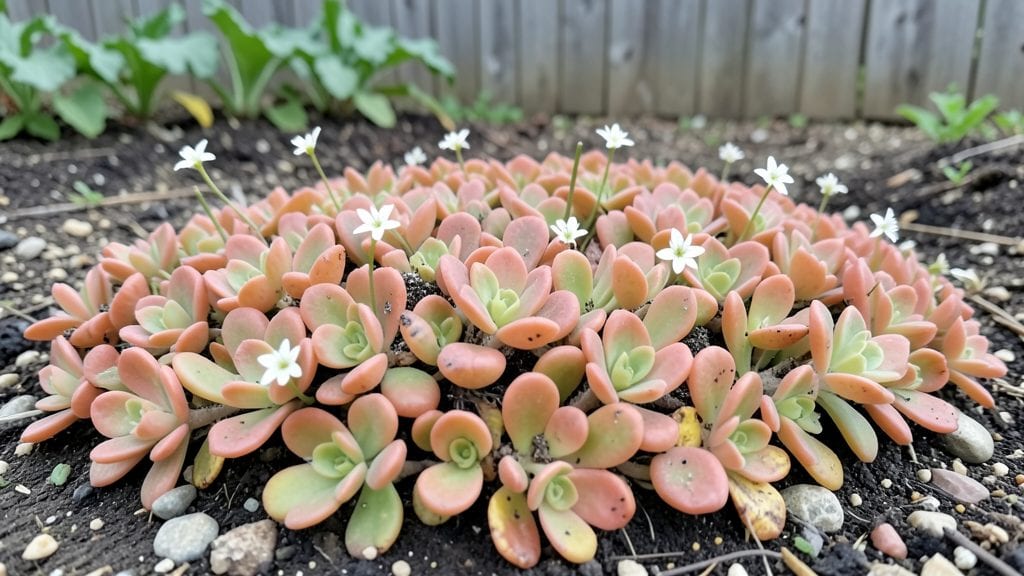
Creating a rock garden ground cover that stays lush and spreads effortlessly transformed my dry, rocky slope into a vibrant, low-maintenance masterpiece. 🌿 The right plants don’t just survive—they turn harsh conditions into a textured, drought-resistant tapestry that requires almost no care once established.
My favorite varieties include creeping thyme for its fragrant purple blooms, sedums that store water like tiny succulents, and mosses that soften every sharp edge.
The key is matching plants to microclimates: sun-lovers like hen-and-chicks near the front, shade-tolerant ajuga in cooler spots, and drought-proof sedums where water drains fastest. Spacing matters too—plant them 6 to 12 inches apart to allow natural spread while preventing bare patches.
Most of these plants thrive on neglect, needing only occasional trimming to keep them tidy and watering just until roots establish.
You’ll end up with a garden that looks intentional but feels wild—a mix of velvety foliage, delicate blooms, and earthy textures that invite you to sit and stay. The best part? No weeds can compete, and the soil stays loose and breathable.
Once these ground covers take hold, they’ll outlast any other plants in your rocky nooks, turning them into lush, living art.
Works for sunny slopes, shady crevices, or even container rock gardens. Here’s how to choose the perfect mix for your space and climate—no green thumb required.
Hidden Struggles Ground Covers Face
Rock gardens are stunning, but their ground cover plants often battle unseen challenges that stunt their growth or even kill them. Understanding these root causes—literally and figuratively—helps you choose and care for plants that actually thrive in your rocky landscape.
Here’s why these issues pop up and how to fix them.
Rock gardens are supposed to mimic natural, well-draining conditions, but compacted or clay-heavy soil can trap water around roots, suffocating plants. Even in rocky areas, soil beneath the surface may still hold moisture like a sponge.
- Why it happens: Waterlogged roots can’t absorb oxygen, leading to root rot (a fungal infection that turns roots mushy). Many ground covers—like sedums or creeping thyme—need fast-draining soil to survive.
- Actionable fix:
- Test your soil: Dig a 6-inch hole, fill it with water, and time how long it drains. If it takes more than 30 minutes, amend with gravel, perlite, or coarse sand.
- Choose drought-tolerant species like Delosperma (ice plant) or Sedum, which naturally handle dry, rocky soils.
Ground covers in rock gardens often get intense, direct sunlight or, conversely, shade from overhanging rocks or trees. Most plants have a sweet spot—and stepping outside it spells trouble.
- Why it happens:
- Sun scorch: Delicate leaves (like those on Ajuga) wilt or turn crispy when exposed to 6+ hours of brutal afternoon sun without acclimation.
- Leggy, weak growth: Shade-loving plants (e.g., Hosta or Liriope) stretch toward light, becoming etoliated (pale, spindly, and prone to falling over).
- Actionable fix:
- Match plants to light zones:
Sun Exposure Best Ground Covers Full sun (6+ hrs) Sedum, Thymus serpyllum (creeping thyme), Delosperma Partial shade (3–6 hrs) Ajuga reptans, Heuchera, Lamium galeobdolon Deep shade (<3 hrs) Hosta, Liriope muscari, Pachysandra terminalis - Use mulch sparingly in sunny areas—too much can smother roots and trap heat.
- Match plants to light zones:
Rock gardens are paradoxical: They need some moisture, but not too much. Many gardeners either drown their ground covers or assume rocks = zero water, leading to stress.
- Why it happens:
- Overwatering: Rocks don’t hold moisture like soil—water pools at the base, causing root rot in plants like Creeping Jenny (Lysimachia nummularia).
- Underwatering: Shallow-rooted ground covers (e.g., Mosses) dry out quickly, especially in full sun, leading to desiccation (brown, crispy edges).
- Actionable fix:
- Water deeply but infrequently—aim for 1–2 inches per week (check with a trowel: If the top 1–2 inches of soil are dry, it’s time).
- Use drip irrigation or soaker hoses to deliver water directly to roots, not the rocks.
- Group plants with similar water needs (e.g., succulents together, ferns together).
Rock gardens might seem harsh for pests, but fungal diseases, slugs, and aphids still thrive—especially when plants are stressed from other issues (like poor drainage).
- Why it happens:
- Fungal infections (e.g., powdery mildew, rust): Humid conditions + crowded plants create the perfect storm. Ajuga and Heuchera are prone to these if air doesn’t circulate.
- Slugs and snails: They love tender new growth, like young Sedum or Lamium leaves, especially in shady, moist areas.
- Aphids and spider mites: These tiny pests suck sap from leaves, causing yellowing, curling, or sticky residue (honeydew). They’re drawn to stressed plants.
- Actionable fix:
- Prevent fungi: Space plants 3–6 inches apart for airflow, and water early in the day so foliage dries quickly.
- Deter slugs: Use copper tape around garden edges or introduce ground beetles (natural predators). Avoid slug bait—it can harm pets.
- Combat pests: Spray plants with a soapy water mix (1 tsp mild soap per quart of water) or introduce ladybugs for aphids.
By tackling these hidden hurdles head-on, your rock garden ground covers will not only survive but flourish, turning your landscape into a lush, low-maintenance masterpiece. 🌿✨
Fixing Common Ground Cover Challenges
Rock gardens are stunning, but even the hardiest ground cover plants can face issues—whether it’s invasive spread, poor soil adhesion, or pests nibbling away. The good news?
Most problems have simple, practical fixes. Below, we’ve mapped common causes to step-by-step solutions, plus prevention tips to keep your rock garden thriving for years.
Cause: Fast-growing ground covers like creeping thyme or sedum can outcompete slower plants, smothering them or spreading into unwanted areas.
How to Fix It: 🔥 Prune Aggressively – Trim back overzealous plants in early spring before new growth starts. Use sharp shears to cut just above the soil line. 🍳 Divide & Relocate – Dig up excess clumps and replant them in designated areas (e.g., borders or slopes) where their spread is less problematic. 👨🍳 Barrier Installation – Bury landscape fabric or edging stones around the garden’s perimeter to contain roots. For a natural look, use slate or copper edging. 🥘 Choose Slower Varieties – Swap invasive types for slower-spreading options like ajuga (bugleweed) or heuchera (coral bells), which stay compact.
Prevention Tips: ✨ Space Plants Properly – Follow spacing guidelines on seed packets (e.g., 6–12 inches apart for most ground covers). 🎯 Mulch Strategically – Apply 2–3 inches of gravel or bark mulch to suppress weeds and slow lateral growth. 💡 Monitor & Maintain – Check your garden monthly and prune as needed to prevent regrowth.
Cause: Loose soil, heavy rainfall, or improper planting can cause ground covers to detach from rocks, leaving bare spots.
How to Fix It: 🔥 Stabilize with Mesh – Lay landscape fabric or erosion-control mesh over the soil before planting. Secure it with U-shaped pins or rocks. 🍳 Use a Soil-Stabilizing Mix – Amend soil with compost + sand (50/50 ratio) for better drainage and grip. For rocky areas, mix in hydroseeding gel to bind particles. 👨🍳 Plant in Terraces – Create small raised beds or steps with rocks to slow water runoff and keep plants in place. 🥘 Opt for Creeping Roots – Choose plants with rhizomes or stolons, like moss (for shade) or sedum (for sun), which naturally cling to surfaces.
Prevention Tips: 🌡️ Water Deeply but Infrequently – Shallow watering loosens soil; deep watering 2–3 times per week encourages root penetration. 🔪 Add Retaining Rocks – Place flat stones or pebbles around plants to weigh them down until roots establish (remove after 6–8 weeks). 💡 Test Soil Drainage – If water pools, amend with perlite or coarse sand to improve aeration.
Cause: Slugs, snails, or fungal issues (like powdery mildew) can decimate ground covers, especially in damp or shaded areas.
How to Fix It: 🔥 Handpick Pests – Check for slugs/snails at dusk and relocate them to a bucket of soapy water. 🍳 Use Organic Repellents – Sprinkle diatomaceous earth or crushed eggshells around plants. For fungal issues, apply neem oil spray (follow label instructions). 👨🍳 Improve Airflow – Thin out dense foliage and space plants 8–12 inches apart to reduce humidity. 🥘 Rotate Plant Types – If one variety is repeatedly targeted (e.g., creeping jenny for slugs), swap it for a less palatable option like ice plant or delosperma.
Prevention Tips: ✨ Encourage Predators – Introduce ground beetles or birds by adding a small water feature or native plants they’ll frequent. 🎯 Water in the Morning – Wet foliage overnight invites pests; morning watering allows plants to dry quickly. 💡 Choose Resistant Varieties – Select drought-tolerant succulents (like hens & chicks) or mildew-resistant heuchera for low-maintenance care.
Cause: Overwatering, nutrient deficiency, or root rot can cause ground covers to look sad and stressed.
How to Fix It: 🔥 Check Moisture Levels – Stick your finger 1 inch into the soil; if it’s soggy, reduce watering. Most ground covers prefer well-draining soil. 🍳 Fertilize Lightly – Use a balanced, slow-release fertilizer (10-10-10) in early spring. Avoid high-nitrogen feeds, which promote leafy (not root) growth. 👨🍳 Repot or Refresh Soil – If root rot is suspected, remove the plant, trim dead roots, and replant in fresh soil with perlite for aeration. 🥘 Adjust Light Exposure – If leaves yellow in shade, move plants to partial sun. For sunburn in full sun, provide afternoon shade with a sheer cloth.
Prevention Tips: 🌡️ Group by Needs – Plant sun-lovers (sedum, thyme) together and shade-tolerant (heuchera, ferns) separately. 🔪 Mulch with Gravel – For succulents, use pebble mulch to reflect sunlight and reduce soil moisture. 💡 Monitor Seasonally – Adjust watering in winter (less) and summer (more frequent but shallow).
Cause: Inconsistent sunlight, poor soil prep, or uneven planting depth can lead to sparse or lopsided coverage.
How to Fix It: 🔥 Top-Dress with Compost – Spread a thin layer (½ inch) of compost over the soil to nourish roots without smothering plants. 🍳 Fill Bare Spots – Gently press seed or plugs into gaps, then water lightly to encourage root contact. 👨🍳 Adjust Light with Reflective Surfaces – Place mirrored tiles or light-colored gravel near shaded areas to bounce sunlight onto plants. 🥘 Thin Overcrowded Areas – If plants are too dense, carefully lift and redistribute excess clumps to fill thin spots.
Prevention Tips: ✨ Plant in Phases – Stagger planting times (e.g., spring and fall) to ensure even coverage. 🎯 Use a Grid System – Map out planting zones 6–12 inches apart before digging to avoid gaps. 💡 Choose Varied Heights – Mix low (moss, creeping phlox) with medium (ajuga, lamium) for layered, full coverage.
Final Pro Tip: 🌿 Take Before-and-After Photos! Tracking changes helps you spot patterns (e.g., "This area always gets slugs after rain") and refine your approach. Most rock garden issues are fixable with patience and the right techniques—so don’t stress, just adjust and observe!
Frequently asked questions
What are the best low-maintenance ground covers for sunny rock gardens?
For full sun areas, try sedum (succulent-like and drought-proof), creeping thyme (fragrant and pest-resistant), or Delosperma (ice plant with vibrant blooms). These thrive with minimal water once established and handle rocky, well-draining soil beautifully.
Can moss grow in a rock garden, and how do I keep it alive?
Yes! Mosses like Sheet Moss or Cushion Moss work perfectly in shady, moist rock crevices. Keep them alive by misting daily in dry climates, ensuring rocks provide shade, and avoiding direct sunlight. Mulch with fine gravel to retain moisture without suffocating roots.
How do I prevent ground covers from spreading too aggressively?
Use landscape fabric barriers around garden edges or opt for slower-spreading varieties like ajuga or heuchera. Prune back overgrowth in early spring and space plants 8–12 inches apart to control spread. For a natural look, use copper edging to contain roots.
Are there ground covers that tolerate both sun and shade?
Yes! Ajuga (bugleweed) and Lamium (dead nettle) adapt well to partial shade or sun, making them versatile choices. For deeper shade, Hosta or Liriope work beautifully, while sedum prefers full sun. Test small patches first to see which thrives best in your space.
How often should I water new ground covers in a rock garden?
Water new plants deeply 2–3 times per week for the first month to encourage root growth, then taper to 1 inch per week once established. Rocks dry out quickly, so focus on keeping soil—not rocks—moist. Drip irrigation works best to avoid runoff.