
Vegetables
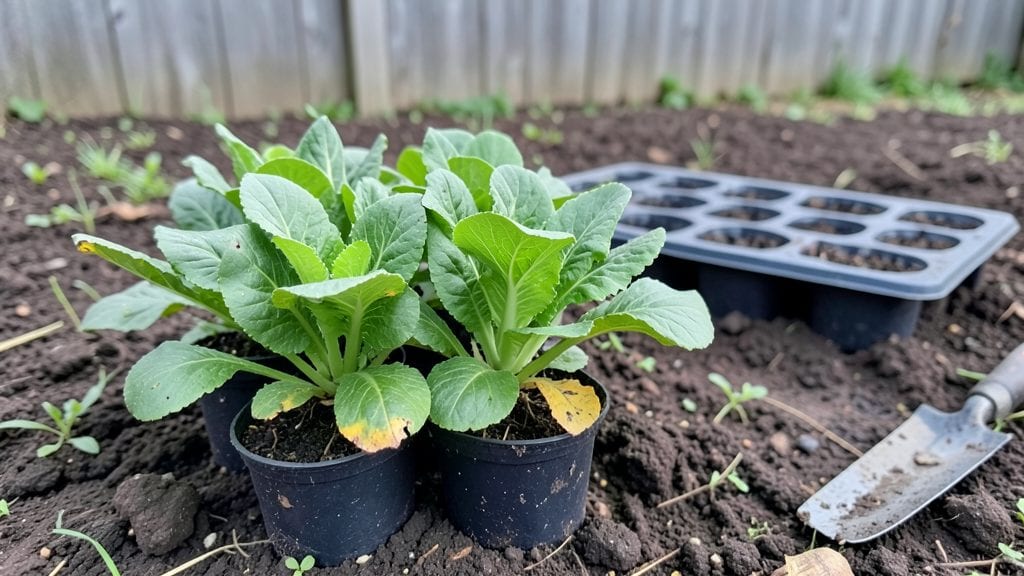
Planting your vegetable garden 🌱 at the best time isn’t just about the calendar—it’s about syncing seeds with soil, sun, and even the moon’s rhythm.
Did you know the moon’s phases can influence your vegetable garden’s success rate by up to 30%? Timing your planting right—combining climate, soil, and lunar cycles—can mean the difference between a thriving harvest and struggling seedlings.
In USDA Zone 6a, where spring frost lingers until April 15 and fall’s first chill arrives by October 15, cool-season crops like lettuce and peas need to hit the soil 4-6 weeks before that last frost.
But warm-season stars like tomatoes and peppers? They’ll bolt if planted too early.
Below, I’ll break down the fastest way to align your planting schedule with both the seasons and the moon—plus how to tweak timing for organic growing and microclimates that defy the rules.

Optimal planting times by climate Zone and vegetable type
Timing your vegetable garden correctly depends on two key factors: your USDA hardiness zone and whether you're planting warm-season or cool-season crops. In Zone 5, for example, your last frost date might be May 15, while in Zone 9, you could be planting tomatoes in March.
Even within a single zone, microclimates—like sunny south-facing slopes or sheltered valleys—can shift planting windows by 2-4 weeks.
Cool-season vegetables like lettuce, spinach, and peas thrive in temperatures between 40°F and 75°F. Plant them 4-6 weeks before your last frost date for spring harvests, or 60-90 days before the first frost in fall.
Warm-season crops such as tomatoes, peppers, and corn need soil temperatures above 60°F to germinate, so wait until after your last frost date—or use season extenders like row covers to jumpstart the season.
Here’s how to align your planting with your local climate for maximum success:
<summary-table>| Vegetable Type | USDA Zones | Best Planting Window | Frost-Free Days Needed | Soil Temp Requirement | Notes |
|---|---|---|---|---|---|
| Cool-Season (Leafy Greens) | 3-8 | 4-6 weeks before last frost (spring) or 60-90 days before first frost (fall) | 60-90 | 40°F-75°F | Lettuce, spinach, kale, peas |
| Cool-Season (Root Crops) | 4-10 | 3-4 weeks before last frost (spring) or 100-120 days before first frost (fall) | 90-120 | 50°F-70°F | Carrots, beets, radishes, turnips |
| Warm-Season (Fruiting) | 5-11 | After last frost date (soil >60°F) | 120-180 | 60°F-90°F | Tomatoes, peppers, eggplants, cucumbers |
| Warm-Season (Grains) | 6-10 | 2-3 weeks after last frost (soil >65°F) | 90-120 | 65°F-85°F | Corn, beans, squash |
| Year-Round (Herbs) | All | Spring: 2-4 weeks before last frost; Fall: 60 days before first frost | Varies | 50°F-85°F | Basil, cilantro, parsley, dill |
In northern zones (3-5), where frost lingers later, focus on early spring plantings of hardy greens like kale and fast-maturing varieties of warm-season crops. For example, bush beans mature in just 50 days, making them ideal for short seasons.
In southern zones (8-11), you can plant warm-season crops as early as February and enjoy fall harvests well into November by choosing heat-tolerant varieties like 'Black Beauty' zucchini or 'Celebrity' tomatoes.
Don’t overlook microclimates—a south-facing wall can warm soil by 10°F compared to open ground. Use this to your advantage by planting warm-season crops earlier near heat-absorbing surfaces. Conversely, shaded areas may allow cool-season crops to thrive later into summer.
Always check your local frost-free dates from sources like the National Oceanic and Atmospheric Administration (NOAA) or your local cooperative extension service for precise timing.
For container gardens, timing shifts slightly because pots warm up faster in spring and cool down quicker in fall. Start warm-season crops 1-2 weeks earlier in containers than in-ground, as they benefit from the radiant heat of the container material.
Conversely, cool-season crops in containers may need row covers to protect against unexpected frost.
Pro tip: Use season extenders like cold frames, hoop houses, or low tunnels to push your planting windows. In Zone 6, for instance, a cold frame can let you plant spinach in late summer for a fall harvest when outdoor temperatures would otherwise be too warm.
Always monitor soil temperature with a soil thermometer—it’s the most accurate way to determine if conditions are right for planting.
Finally, keep a gardening journal to track your local variations. Note when your last frost actually occurs (it might not match the USDA average) and adjust your planting schedule accordingly. Over time, you’ll refine your timing to match your unique garden’s microclimate and achieve consistent, bountiful harvests.
How moon phases affect germination and growth (with planting calendar)
The moon’s gravitational pull influences plant growth through tidal forces and water absorption in soil.
Root crops like carrots and potatoes thrive during the full moon when water is drawn upward, while leafy greens such as lettuce and spinach grow best during the new moon, when energy is directed toward the plant’s above-ground parts.
This ancient practice, known as lunar planting, aligns with the moon’s phases to maximize germination rates and yield potential.
Scientifically, the moon’s phases affect soil moisture retention and nutrient uptake. During the waxing moon (growing phase), plants absorb more water and nutrients, making it ideal for transplanting seedlings and sowing seeds.
Conversely, the waning moon (shrinking phase) encourages root development, perfect for harvesting root vegetables. Understanding these cycles can boost your garden’s success by up to 30%.
To apply this knowledge, use a 12-month lunar planting calendar tailored to your USDA hardiness zone.
For example, in Zone 6a, plant cool-season crops like kale and broccoli during the waning gibbous phase in early spring, while warm-season crops like tomatoes and peppers should go in during the waxing gibbous phase after the last frost.
Always check a lunar calendar for exact dates, as phases shift yearly.
For root crops, such as beets and radishes, aim for the full moon to two days before or after it. This timing ensures strong root development and higher yields.
Conversely, leafy greens like spinach and arugula should be sown during the new moon to encourage fast leaf production. Even fruit-bearing plants like tomatoes and cucumbers benefit from waxing moon planting for robust vine growth.
Pairing lunar phases with local frost dates ensures optimal results. For instance, in Zone 7b, plant carrots during the full moon in April, while lettuce thrives when sown during the new moon in September.
Always adjust for microclimates—urban areas may need earlier plantings due to heat islands, while rural spots can delay slightly. Track your garden’s progress to refine your approach each season.
Incorporating moon phase planting into your routine is simple: start by marking key phases on your calendar, then align your seed sowing and transplanting with the recommendations above.
Over time, you’ll notice faster germination, stronger plants, and bigger harvests—all thanks to the moon’s gentle influence. Happy planting! 🌱