
Planting
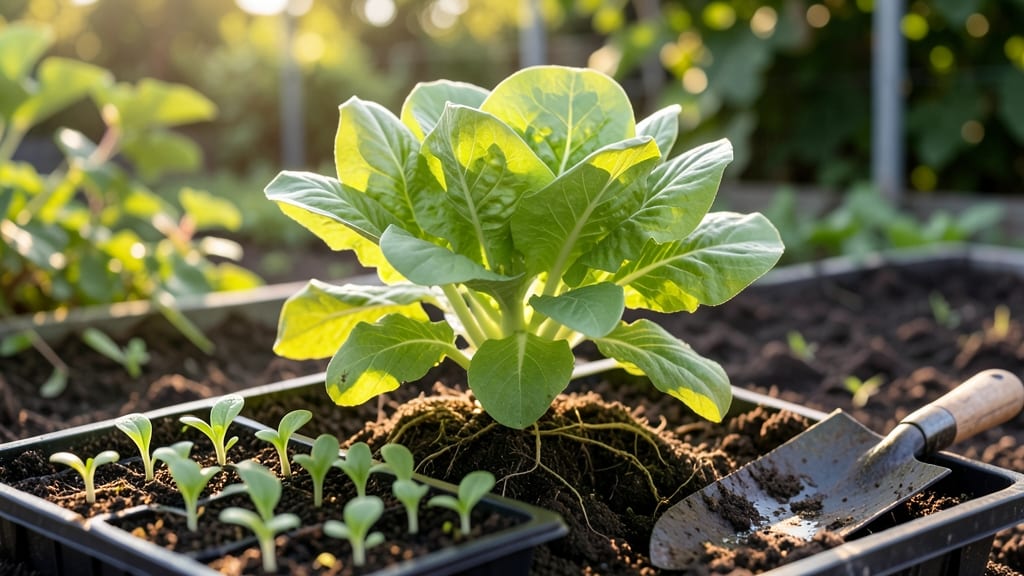
The best place to plant a garden requires balancing sunlight exposure, soil quality, and available space. Aim for spots with 6-8 hours of sunlight daily, well-draining soil, and shelter from harsh winds to maximize plant vitality and harvests.
Finding the perfect garden spot isn't just about open space—it's about creating the ideal microclimate for your plants. 🌱 I've learned that even a small backyard can become a thriving garden if you prioritize sunlight patterns and soil health.
For instance, leafy greens like spinach tolerate partial shade, while tomatoes and peppers demand full sun exposure. Testing your soil's pH and drainage before planting can save you from common pitfalls like root rot or stunted growth.
Don't overlook wind protection either—strong breezes can stress plants and reduce yields. A simple fence or windbreak made from shrubs can work wonders. I always recommend sketching your garden layout first to visualize how different elements like sunlight paths and wind patterns will interact with your chosen plants.
💡 In This Article
- Sunlight and Soil Requirements for a Thriving Garden
- Choosing the Right Garden Location Based on Space and Layout
Sunlight and soil requirements for a thriving garden
Here's what's actually happening in your garden when sunlight and soil aren't optimal: photosynthesis is either starved or overwhelmed. Plants need 6-8 hours of direct sunlight daily to convert light energy into glucose through chlorophyll, but too much intense sun (like in arid climates) can cause leaf scorch.
The science is clear—tomatoes, for example, grow 30% slower with only 4 hours of sun compared to full exposure, while herbs like basil thrive in 4-6 hours but bolt (flower prematurely) in extreme heat. 🔥
Soil composition isn't just about dirt—it's a living ecosystem where pH levels (ideal range: 6.0-7.0 for most plants) determine nutrient availability. A soil pH of 5.0 (acidic) locks out phosphorus, while 8.0 (alkaline) reduces iron uptake.
Organic matter (like compost) improves drainage and water retention, but too much clay makes roots suffocate. Test your soil first—amending with 2-3 inches of compost can transform poor soil into fertile ground in just 3-6 months.
What most people don't realize is how drainage directly impacts root health. Waterlogged soil cuts oxygen supply by 50% or more, causing roots to suffocate and inviting fungal diseases. Raised beds solve this by improving drainage naturally—sandy soil drains too fast (losing nutrients), while clay holds water too long.
The fix? Mix in 1 part perlite to 3 parts garden soil for perfect balance.
Let's talk about plant-specific needs—this is where precision matters. Leafy greens like kale tolerate 3-5 hours of sun daily, while peppers need 8+ hours to set fruit. Flowers like sunflowers demand full sun but wilt in stagnant water, while herbs like mint spread aggressively and need contained spaces.
The key is matching plant families to microclimates—your garden's north side gets 2 hours less sun than the south side, which changes what you can grow there.
Seasonal variations add another layer. Spring planting requires 50-60°F soil temperatures for seeds to germinate, while summer heat stresses plants without afternoon shade. Mulching with 2-3 inches of straw keeps roots cool and retains moisture—critical in 90°F+ weather where evaporation rates double.
The best gardens adapt to these cycles rather than fighting them.
Pro tip: Observe your yard's sunlight patterns for a full week before planting. Mark shadows with stakes at 10 AM, 1 PM, and 4 PM—you'll spot microclimates you never noticed before. This simple step prevents costly mistakes like planting sun-loving tomatoes in shady spots. 💫