
Vegetables
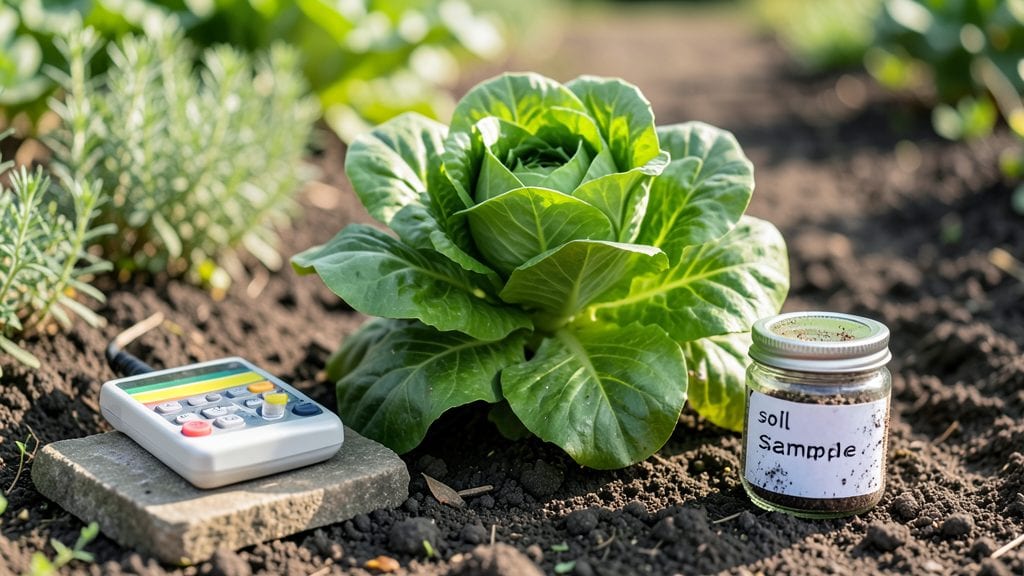
The best pH for a vegetable garden typically ranges between 6.0 and 7.0, though specific crops like blueberries (4.5–5.5) or carrots (6.0–7.0) thrive at slightly different levels. Testing soil pH annually and amending with lime or sulfur ensures optimal nutrient uptake for healthy growth.
Soil pH directly impacts which nutrients your plants can access—too acidic or alkaline, and key minerals like phosphorus or calcium become locked away. 🌱 For example, tomatoes and peppers prefer the neutral 6.0–7.0 range, while acid-loving plants like strawberries need a lower 5.5–6.5 to prevent yellowing leaves.
I’ve seen gardens double their yield just by adjusting pH to match the crops planted, proving how critical this balance is.
Most home gardeners don’t realize their soil’s pH can shift over time due to rainfall, compost breakdown, or even fertilizer use. That’s why I recommend testing every spring—DIY kits are affordable and give you actionable data.
If your soil tests too high (alkaline), elemental sulfur lowers pH gradually, while crushed eggshells or wood ash can gently raise it for acid-loving plants.
💡 In This Article
- How Soil pH Affects Nutrient Uptake in Vegetables
- Adjusting Garden Soil pH: Step-by-Step Fixes
How soil pH affects nutrient uptake in vegetables
Soil pH isn't just a number—it's the master switch for nutrient availability in your vegetable garden. The 6.0–7.0 range keeps essential minerals like nitrogen, phosphorus, and potassium in their most plant-accessible forms. At this neutral-to-slightly-acidic level, soil microbes thrive too, breaking down organic matter into forms roots can absorb.
When pH strays too far from this zone, nutrients either become locked away or toxic to plants—like aluminum buildup in acidic soils or boron toxicity in alkaline ones.
Take phosphorus as an example: at pH 6.5, about 80% of available phosphorus is accessible to plants, but drop to pH 5.5 and that availability plummets to 30%.
This explains why acid-loving plants like blueberries develop yellow leaves (chlorosis) when soil gets too alkaline—they can't uptake enough iron, even if it's present. The same principle applies to calcium: at pH 7.5, only 10% is bioavailable, causing blossom-end rot in tomatoes despite healthy-looking foliage.
What most gardeners overlook is how pH affects soil microbes—the tiny workers that process nutrients. Beneficial bacteria and fungi prefer 6.0–7.0 ranges too, and their activity directly influences how quickly organic matter converts to plant-available forms.
In alkaline soils (pH 7.5+), these microbes slow down, reducing nitrogen fixation by 40%—meaning your fertilizer dollars go to waste. The microbial ecosystem also competes with plant roots for nutrients, creating a vicious cycle where poor pH begets poor growth.
Extreme pH levels trigger visible symptoms that reveal the underlying imbalance. In acidic soils (pH 5.0), you might see stunted growth from manganese toxicity, while alkaline soils (pH 8.0+) cause magnesium deficiencies showing as yellowing between leaf veins.
The key factor is solubility: nutrients dissolve best at specific pH levels. For instance, zinc solubility peaks at pH 6.0–6.5, which is why brassicas like broccoli struggle in alkaline soils despite their hardiness.
Here's what's actually happening at the root level: plant roots exude protons to acidify their immediate zone, creating a pH gradient that helps them access nutrients. When soil pH is already extreme, this natural mechanism gets overwhelmed.
For example, in pH 8.0 soil, roots expend 3x more energy trying to acidify their rhizosphere—energy that could be going toward growth instead. This explains why even well-fertilized plants in unbalanced soils often look "starved."
One surprising detail is how temperature modifies these effects. In cooler soils (50°F), microbial activity slows further, making pH imbalances even more damaging. That's why spring planting often requires extra attention to soil amendments—microbes need 60°F+ to work efficiently.
The interplay between pH, temperature, and microbial activity creates a delicate balance that determines whether your garden thrives or just survives. 🌱