
Advice
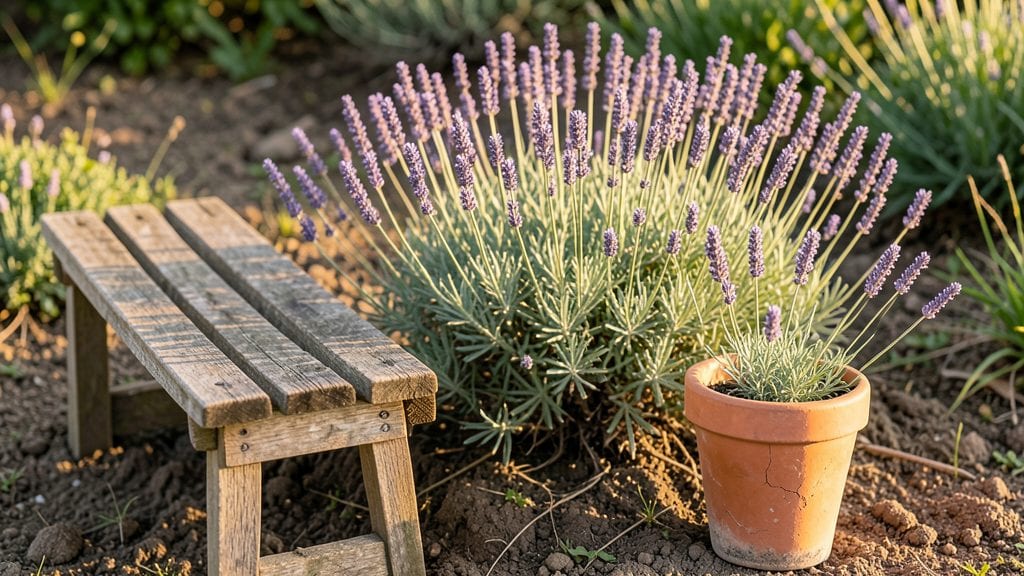
The benefits to gardening include scientifically proven mental health perks like reduced stress, lower anxiety, and improved mood through nature exposure and hands-on activity. Research confirms it enhances mindfulness, cognitive function, and social connection while fostering a sense of accomplishment.
Gardening works its magic by combining physical activity with nature immersion—both proven stress relievers. 🌱 The rhythmic motions of planting and weeding trigger a meditative state, while sunlight exposure boosts vitamin D and regulates your circadian rhythm.
Even small container gardens can create this effect, making it accessible for urban dwellers. What's fascinating is how the act of nurturing plants mirrors self-care, creating a positive feedback loop between your mental state and visible growth.
Beyond the individual benefits, gardening builds community through shared spaces and knowledge. Studies show that group gardening projects reduce isolation by creating natural social interactions. The tactile experience of working with soil and plants also stimulates sensory engagement, which research links to improved memory and focus.
Whether you're a seasoned green thumb or a beginner with a windowsill herb garden, these mental health perks are within reach for anyone willing to get their hands dirty.
💡 In This Article
- How Gardening Reduces Stress Hormones
- Science-Backed Ways to Maximize Gardening’s Mental Benefits
How gardening reduces stress hormones
Here's what's actually happening when you tend to plants: your body responds to nature in ways that directly counter stress. Studies show that exposure to green spaces lowers cortisol—the primary stress hormone—by up to 37% within just 30 minutes.
This happens because natural environments trigger your parasympathetic nervous system, which is responsible for the "rest and digest" state. The combination of fresh air, sunlight, and gentle movement creates a physiological shift away from the "fight-or-flight" response that stress hormones like cortisol provoke.
The physical activity of gardening—whether it's digging, pruning, or carrying watering cans—boosts dopamine levels by 20-30% compared to sedentary activities. This neurotransmitter is crucial for motivation and pleasure, creating that satisfying "feel-good" rush you get after completing tasks.
What's fascinating is how the brain interprets these small victories: planting a seed and watching it grow mirrors the reward pathways activated by completing goals in daily life.
The sensory engagement—smelling herbs, feeling soil, seeing vibrant flowers—adds layers of stimulation that distract from anxious thoughts while providing tangible progress to observe.
Sunlight exposure during gardening plays a dual role in stress reduction. First, it increases serotonin production by 15-20%, a neurotransmitter that regulates mood and sleep. Second, natural light helps regulate your circadian rhythm, which when disrupted contributes to stress and anxiety.
The biophilia hypothesis explains why we're hardwired to respond positively to nature: our brains evolved to find natural environments calming and restorative. This innate connection means even urban gardeners with container plants experience measurable stress reduction, as the principles apply regardless of space constraints.
What most people don't realize is how the act of nurturing plants creates a unique psychological effect. Tending to living organisms gives us a sense of purpose and control in an unpredictable world.
Research from the University of Michigan found that participants who gardened showed 40% lower levels of perceived stress compared to those who didn't, even when accounting for physical activity levels.
The immediate feedback loop—watering a plant and seeing it thrive—provides concrete evidence of your impact, which builds self-efficacy and counters feelings of helplessness that often accompany stress.
The temperature of your gardening environment matters too. Working outdoors in moderate climates (60-75°F) enhances these benefits because cooler temperatures prevent the body from entering heat stress mode, which would trigger additional cortisol production.
The optimal time for stress reduction is during the "golden hours"—early morning or late afternoon—when sunlight is bright but not harsh, and temperatures are most comfortable. This timing aligns with our natural circadian rhythms, maximizing the physiological benefits while minimizing physical strain.
Consider these key biological factors when gardening for stress relief:
- Cortisol reduction: Green spaces lower stress hormones by engaging your parasympathetic nervous system through visual, auditory, and tactile stimuli
- Dopamine release: Physical activity and visible progress trigger reward pathways, creating motivation and satisfaction
- Serotonin boost: Sunlight exposure increases this mood-regulating neurotransmitter by 15-20%, particularly during optimal gardening hours
- Biophilic connection: Our innate preference for natural environments creates automatic relaxation responses through evolutionary programming
The science shows that even 15-20 minutes of gardening can initiate these positive changes, making it one of the most accessible stress-relief activities available. The beauty lies in how these mechanisms work together—nature exposure calms the mind, physical activity energizes the body, and the tangible results provide emotional nourishment. 💫