
Fertilization
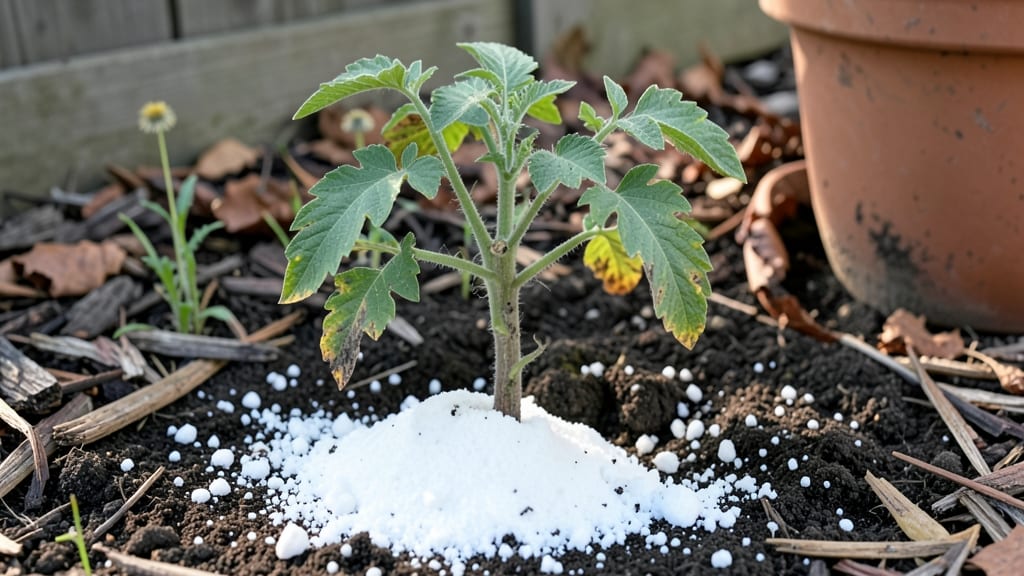
Adding baking soda to garden soil effectively raises pH levels to neutralize excess acidity, creating optimal conditions for acid-sensitive plants like azaleas or blueberries—but only when used in very small amounts. Too much can disrupt beneficial soil microbes and lock out essential nutrients, so always test your soil first and apply cautiously.
Baking soda works as a quick pH adjuster because its alkaline properties react with hydrogen ions in acidic soil, temporarily buffering the environment. 🌱 Unlike lime—which takes months to adjust pH—baking soda delivers faster results, making it ideal for emergency fixes in containers or small garden beds.
However, its effects are short-lived, so repeated applications may be needed, and organic matter can neutralize its impact over time.
For best results, mix no more than 1 teaspoon per gallon of water and apply only to the top inch of soil. Always test pH before and after treatment using a simple DIY kit—aim for a target range between 6.0 and 7.0 for most alkaline-loving plants.
Overapplication can create a harsh environment where beneficial bacteria struggle to survive, ultimately harming plant roots.
💡 In This Article
- How Baking Soda Alters Soil Chemistry
- Safe Application Methods for Garden Soil
How baking soda alters soil chemistry
When you add baking soda (sodium bicarbonate) to acidic soil, it triggers a chemical reaction that neutralizes excess hydrogen ions (H+). The sodium bicarbonate dissociates into sodium (Na+) and bicarbonate (HCO₃⁻) ions, which then react with H+ ions in the soil to form carbonic acid (H₂CO₃).
This weak acid quickly breaks down into water (H₂O) and carbon dioxide (CO₂), effectively removing H+ ions and raising the soil's pH level. 🔥 For every 1 teaspoon of baking soda added to 1 gallon of water, you can expect the pH to increase by about 0.5 to 1.0 units—but this depends on your soil's initial acidity and organic matter content.
The reaction happens almost instantly when mixed with water, which is why baking soda is often called a "fast-acting" soil amendment. Unlike lime (calcium carbonate), which takes weeks or months to dissolve and adjust pH, baking soda works within hours.
However, its effects are temporary—organic matter in the soil can quickly bind to the sodium ions, reducing its long-term impact. This is why baking soda is best suited for container gardens or small, controlled areas where you can monitor and reapply as needed.
Raising pH with baking soda has ripple effects throughout the soil ecosystem. At higher pH levels (6.0–7.0), nutrients like phosphorus, calcium, and magnesium become more available to plants, while toxic aluminum and manganese ions bind more tightly to soil particles.
However, this double-edged sword can also harm beneficial microbes that thrive in slightly acidic conditions (pH 5.5–6.5).
Overuse disrupts these microbial communities, which are critical for breaking down organic matter and cycling nutrients. 💫 For example, mycorrhizal fungi—essential for root health—often decline in overly alkaline soils, weakening plant resilience.
Comparing baking soda to lime reveals key differences. Lime provides long-term pH adjustment by slowly releasing calcium and magnesium, which also improve soil structure and nutrient availability. Baking soda, however, is a quick fix that lacks these structural benefits.
It’s also more soluble, meaning it can leach out of the root zone faster, especially in sandy soils. For clay-heavy soils, lime is the safer choice because it binds more tightly to particles, while baking soda may require more frequent reapplications to maintain pH balance.
Another critical factor is the soil's cation exchange capacity (CEC), which measures its ability to hold nutrients. Soils with high CEC (like loamy or clay soils) can buffer pH changes better, making baking soda less effective over time.
In contrast, sandy soils with low CEC may show dramatic but short-lived pH spikes. Always test your soil’s CEC alongside pH to determine the right approach. For instance, a low-CEC soil might need baking soda reapplied every 2–4 weeks, while a high-CEC soil could go months between treatments.
Visual clues can help you gauge whether baking soda is working—or backfiring. Healthy alkaline-loving plants like hydrangeas will produce blue flowers (vs. pink in acidic soil), while blueberries may show new growth if the pH rises toward 5.0–5.5.
But watch for signs of overuse: yellowing leaves, crispy edges, or stunted growth often signal sodium buildup or microbial stress. If you notice these symptoms, flush the soil with water to dilute excess sodium and restore balance. ✨