
Advice
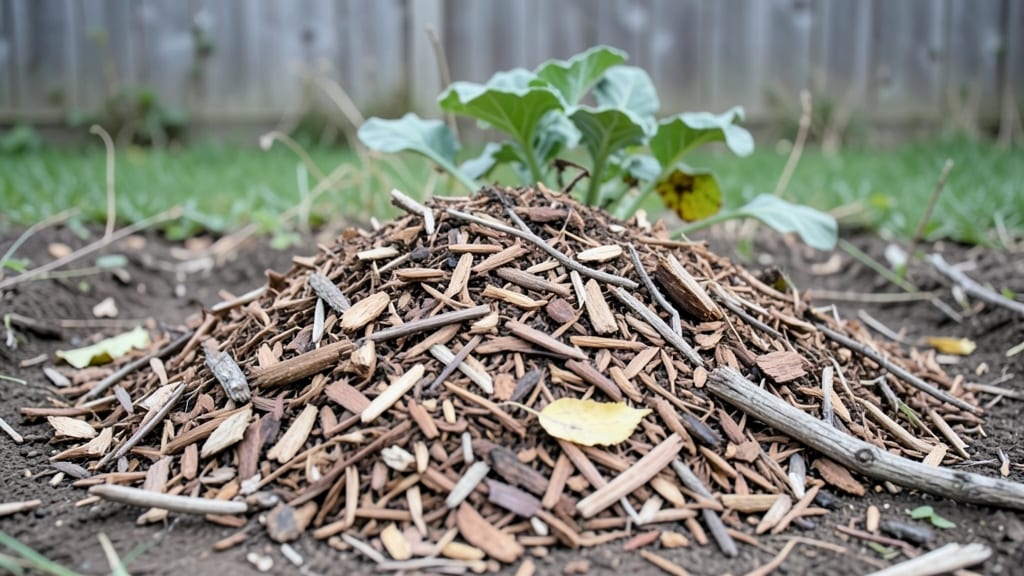
The average cost of a garden ranges from $1,000 to $10,000+, depending on size, location, and materials—small vegetable plots start at $500, while full landscape gardens with hardscaping and irrigation can exceed $20,000. Soil prep, plants, tools, and labor are the biggest expenses, with DIY projects cutting costs by 30-50% compared to professional installation.
The cost of creating a garden varies widely based on your goals and resources. A $500 budget might cover a simple raised bed with basic soil and starter plants, while a $10,000+ project could include custom hardscaping, premium plants, and professional installation.
What often surprises people is how quickly costs add up with labor and materials—even small upgrades like irrigation systems or decorative stones can push budgets higher. I’ve seen clients save thousands by focusing on high-impact elements first, like soil quality and plant selection, rather than decorative features. 🌱
Location plays a huge role too—urban gardens may face higher soil amendment costs due to poor native soil, while rural areas might require more extensive fencing or erosion control.
Seasonal timing also matters: planting in spring often means paying premium prices for popular varieties, while fall sales can cut costs by 30-40%. The key is balancing immediate needs with long-term value—like investing in durable tools or native plants that require less maintenance.
💡 In This Article
- Factors Influencing Garden Costs by Size and Type
- Budget-Friendly Ways to Build a Garden on a Tight Budget
Factors influencing garden costs by size and type
The size of your garden directly impacts costs through material quantities and labor needs. A 10x10-foot raised bed might cost $300-$500 for lumber and soil, while a 50x100-foot backyard garden could require $5,000-$15,000 for hardscaping alone.
Urban gardens often face higher per-square-foot costs due to limited space requiring premium soil amendments and vertical growing systems, which can add $20-$50 per square foot compared to $5-$15 per square foot for traditional in-ground plots. 🌿
Material choices create dramatic cost swings—organic compost costs $0.50-$2 per cubic foot while synthetic mulches like rubber chips run $3-$8 per bag. Native plants typically cost 30-50% less than imported varieties, and drought-resistant species can cut long-term water bills by 40-60%.
In arid climates, drip irrigation systems add $5-$15 per linear foot, while sprinklers cost $1-$3 per foot. The soil itself tells the story: Urban areas often require $1,000-$3,000 worth of topsoil delivery for poor native soil, while rural gardens might only need $200-$500 for basic tilling. ✨
Regional labor rates create wild variations—professional installation in California averages $75-$150/hour, while Midwest contractors charge $40-$80/hour. Permits for hardscaping can add $200-$1,000 depending on location, and seasonal labor shortages (like spring planting) can inflate costs by 20-30%.
What most people overlook is how climate affects long-term expenses: Southern gardens need $1,000-$3,000 in shade solutions, while Northern gardens require $500-$1,500 for windbreaks. The science here is simple—each climate demands specific infrastructure that directly impacts your budget. 💰
Startup costs often mask the real financial commitment. A $2,000 garden might seem affordable, but annual maintenance (fertilizer, tools, replacements) can equal 10-20% of initial costs yearly. Organic gardeners spend $300-$800/year on compost and amendments, while conventional gardens might only need $100-$300.
The key insight? Initial savings from cheap materials often translate to higher long-term costs through increased maintenance or lower yields. For example, skipping proper drainage in a $1,500 garden could mean $500 in root rot treatments within two years. 🌱
Seasonal timing offers hidden cost controls. Fall plant sales drop prices 30-50% compared to spring, and winter is prime time for $100-$300 soil amendments at bulk discounts. Early spring planting means paying $2-$5 per seedling for popular varieties, while late summer cuttings cost $0.50-$1.50.
The most cost-effective gardens plan purchases around these cycles—timing can mean the difference between a $1,000 and $3,000 budget for the same results. 🔥
Consider this real-world comparison: A 200-square-foot vegetable garden in Portland, OR might cost $1,200 with organic soil and native plants, while the same space in Phoenix requires $2,500 for irrigation and heat-tolerant species.
The lesson? Your garden's true cost isn't just what you spend upfront—it's the ongoing investment in climate-specific solutions that keep it thriving year after year. 💫